
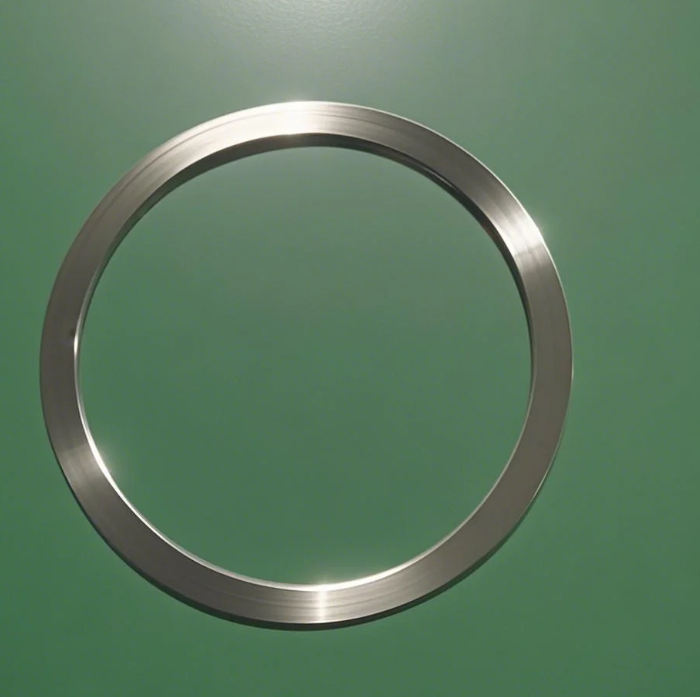
Washers are small components, but they play an important role in many mechanical systems. They help distribute loads, protect surfaces, reduce wear, and prevent bolts or nuts from loosening. Because washers often need accurate dimensions and reliable performance, CNC Washer Machining has become a preferred manufacturing method for producing high-quality washers for industries such as automotive, construction, electronics, and industrial equipment.
Many customers have concerns when ordering machined washers. They may worry about achieving the correct thickness, selecting the right material, controlling production costs, or receiving consistent parts in large quantities. CNC Machining solves many of these problems by providing high precision, repeatable production, and flexible material options.
Washers require precise inner diameter, outer diameter, thickness, and flatness. Even small dimensional errors can affect assembly performance, load distribution, and product reliability. CNC machines use computer-controlled programs to produce washers with consistent dimensions, making them suitable for both prototypes and mass production.
Compared with traditional manual machining methods, CNC Washer Machining offers better control over key features, including:
For companies needing reliable washer production, experienced manufacturers such as EMAR provide CNC machining solutions with advanced equipment, professional engineering support, and strict inspection processes to meet different application requirements.
The performance of a washer depends heavily on its design. Proper design considerations for CNC-machined washers help ensure that the final part can handle the expected load, environment, and assembly conditions.
The intended use of the washer determines its size, thickness, and material requirements. For example:
A good washer design should support its basic functions:
Design factors such as outside diameter, inside diameter, thickness, flatness, and edge quality should be carefully considered to match the working conditions.
Choosing the correct material is one of the most important steps in washer production. The material selection for washer CNC machining process depends on strength requirements, environmental conditions, cost targets, and expected service life.
A professional CNC machining supplier can help select the best material by balancing performance, durability, machining difficulty, and overall cost.
Different machining operations are used depending on washer design, material, and production volume. The main processes include turning, punching, and grinding.
CNC turning is commonly used for producing round washers with accurate diameters. The workpiece rotates while cutting tools remove material to create precise inner and outer surfaces.
Important cutting parameters include:
For high-volume washer production, punching can provide fast processing speeds. Proper tooling design is important to maintain dimensional accuracy and reduce edge defects.
Grinding is often used when washers require very tight thickness tolerance or excellent flatness. It improves surface quality and helps achieve consistent performance in precision assemblies.
Although CNC machining provides excellent accuracy, washer production still requires careful process control to avoid quality issues.
Uneven thickness or poor flatness can cause improper load distribution. Manufacturers must use proper workholding methods, stable cutting conditions, and inspection equipment to maintain consistent washer geometry.
Burrs can appear after cutting operations, especially around inner and outer edges. Proper tool selection, optimized cutting parameters, and deburring processes help improve safety and assembly performance. Effective handling burrs in washer CNC machining is important for producing smooth and reliable parts.
Cost depends on material choice, machining time, tooling requirements, and production quantity. CNC manufacturers can improve cost efficiency through optimized machining programs, suitable materials, and efficient production planning.
After machining, washers may require additional treatments to improve performance. These post-machining processes for CNC-machined washers help enhance corrosion resistance, hardness, and service life.
Reliable washer production requires strict inspection at every stage. Strong quality control in CNC-machined washers ensures that every part meets customer specifications.
Common quality control methods include:
Selecting an experienced CNC machining supplier is important for achieving reliable quality, reasonable cost, and stable delivery. A capable manufacturer should have advanced CNC equipment, skilled engineers, strong material knowledge, and complete inspection systems.
EMAR provides professional CNC machining services for customized washers and other precision components. With experience in material selection, machining process optimization, and quality management, EMAR helps customers produce washers that meet specific industry requirements.
CNC Washer Machining provides an effective solution for producing accurate, durable, and consistent washers. By using CNC technology, manufacturers can achieve precise thickness, reliable dimensions, excellent surface finish, and efficient production. Careful design, correct material selection, optimized machining processes, and strict quality control are the keys to producing washers that perform well in demanding applications.