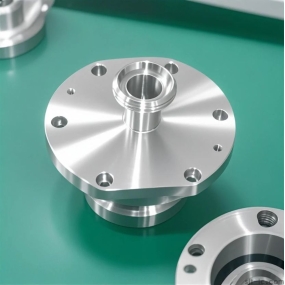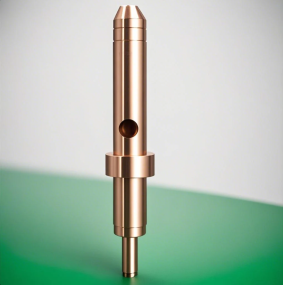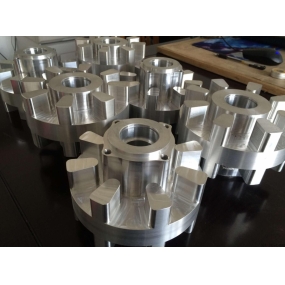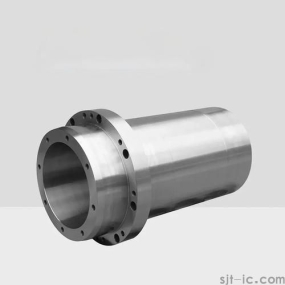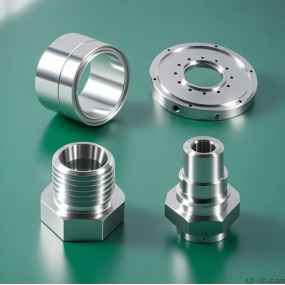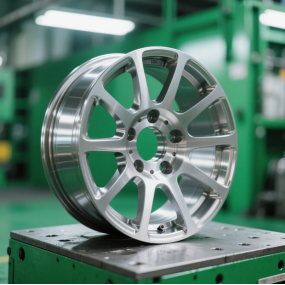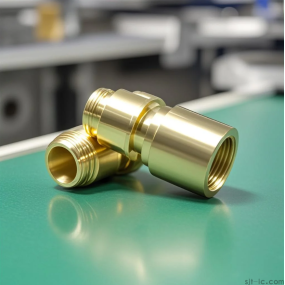

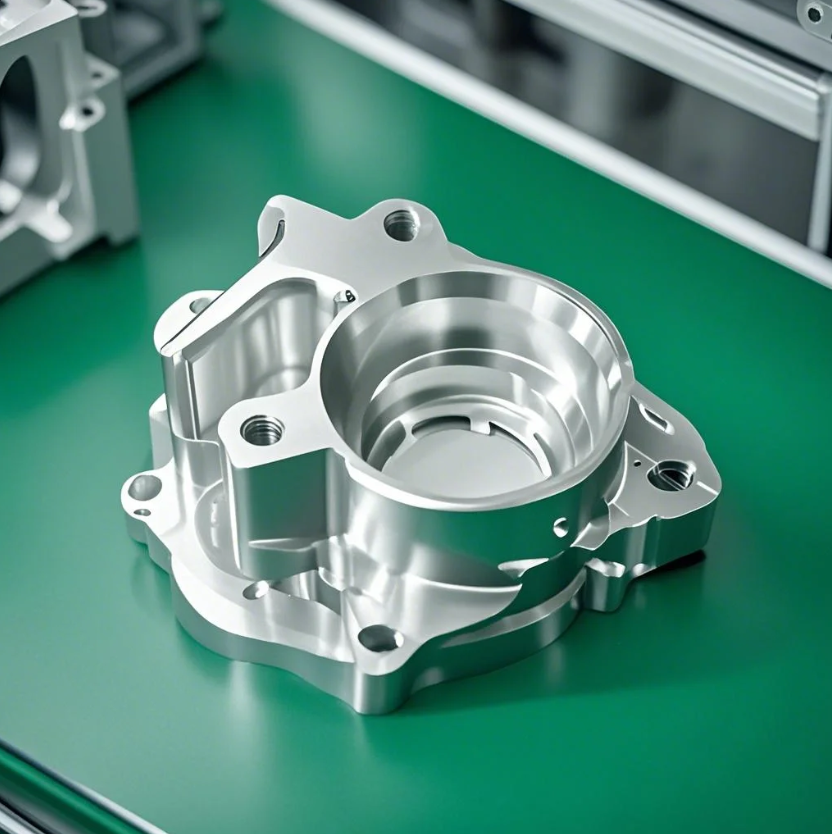
Industrial companies need parts that are accurate, strong, lightweight, and reliable. Even a small machining error can affect the performance of a complete machine or system. This is why many manufacturers choose Precision CNC Aluminum Parts Machining Services for Industrial Applications to produce high-quality components with tight tolerances and consistent results.
Precision CNC Machining uses computer-controlled machines to cut aluminum materials into complex shapes with high accuracy. Professional machining services help businesses solve common challenges, including maintaining quality standards, controlling production costs, selecting the right aluminum alloy, and meeting strict industrial requirements.
With advanced CNC equipment, experienced engineers, and strict inspection systems, companies such as EMAR provide reliable precision CNC aluminum machining solutions for different industrial fields, helping customers achieve stable performance and efficient production.
Aluminum is one of the most popular materials for CNC machining because it offers an excellent balance between performance, weight, and cost. Many industrial parts require materials that can handle demanding working conditions while remaining easy to manufacture.
These advantages make aluminum a practical choice for many industrial applications of CNC aluminum parts, including aerospace components, automotive parts, electronic devices, and industrial equipment.
The aerospace industry requires parts that are lightweight, strong, and extremely accurate. Aircraft components must reduce weight while maintaining safety and reliability.
Precision CNC-machined aluminum parts are commonly used for aircraft brackets, structural components, housings, and mechanical assemblies. Aluminum alloys help meet aerospace requirements because they provide excellent strength while reducing fuel consumption through weight savings.
Key requirements include:
CNC machining ensures these parts are manufactured with repeatable accuracy and can meet strict aerospace specifications.
Modern vehicles require lightweight and durable components to improve fuel efficiency and performance. CNC aluminum parts are widely used in engine components, transmission parts, suspension systems, heat sinks, and custom automotive prototypes.
Automotive manufacturers need parts that can handle vibration, heat, and continuous mechanical stress. Precision CNC machining helps produce components with accurate dimensions, smooth surfaces, and reliable assembly performance.
Electronic products generate heat during operation, so effective heat management is important. CNC aluminum parts are often used for electronic enclosures, cooling plates, frames, and protective housings.
Because aluminum has excellent thermal conductivity, it helps remove heat and improves product reliability. CNC machining also allows manufacturers to create complex designs with precise mounting holes and integrated features.
Industrial machines require durable components that can operate continuously with minimal maintenance. CNC aluminum parts are used in robotics, automation systems, manufacturing equipment, and inspection devices.
These applications often require:
Precision machining allows manufacturers to create parts that fit perfectly into complex industrial systems.
Good part design is essential for achieving high performance and reducing machining problems. The design considerations for industrial CNC aluminum should focus on how the part works, where it will be used, and how it connects with other components.
Engineers should first define the purpose of the component. A structural support part may require higher strength, while an electronic housing may need better heat dissipation and precise mounting features.
The design should consider:
Industrial parts may operate in environments with moisture, chemicals, vibration, or extreme temperatures. Designers should select suitable aluminum alloys and surface treatments based on these conditions.
Industrial parts usually work as part of a larger system. Accurate hole locations, correct dimensions, and proper tolerances are necessary to ensure smooth assembly.
Working with an experienced CNC machining provider during the design stage can help identify potential issues before production begins.
Different aluminum alloys provide different performance advantages. Selecting the correct material is important for achieving the required strength, durability, and machining performance.
Professional machining suppliers can recommend the most suitable alloy based on load requirements, environmental conditions, and production goals.
The machining operations in industrial CNC aluminum involve several processes to create accurate and functional parts. Each operation requires suitable tools and optimized cutting conditions.
CNC milling removes material using rotating cutting tools to create flat surfaces, slots, pockets, and complex geometries.
Purpose: Produce detailed shapes and precision features.
Recommended tools: Carbide end mills are commonly used because they provide good cutting performance and long tool life.
Typical cutting parameters:
CNC turning rotates the aluminum workpiece while a cutting tool removes material. It is suitable for shafts, cylinders, and round components.
Purpose: Create accurate cylindrical features and smooth surfaces.
Recommended tools: Carbide inserts with sharp cutting edges help reduce cutting resistance.
Drilling creates accurate holes for fasteners, assembly, and component connections.
Purpose: Achieve precise hole sizes and positions.
Recommended tools: High-speed steel or carbide drills with proper coatings improve tool life.
Electrical discharge machining (EDM) uses electrical sparks to remove material. It is useful for complex shapes and difficult-to-machine features.
Purpose: Produce detailed features where traditional cutting tools may not be effective.
Industrial components often require very small dimensional variations. To maintain accuracy, manufacturers use stable CNC machines, proper tool calibration, and regular measurement checks.
During machining, heat can cause aluminum parts to expand and affect accuracy. Solutions include:
A smooth surface finish improves appearance, performance, and assembly quality. Manufacturers use sharp cutting tools, proper machining parameters, and advanced tool materials to achieve consistent results.
Quality control in precision CNC aluminum parts is essential for ensuring every component meets customer specifications. Professional machining services use multiple inspection steps throughout production.
During machining, technicians check critical dimensions and adjust processes when necessary. This prevents large quantities of incorrect parts from being produced.
Completed parts are inspected for dimensional accuracy, surface quality, and functional performance before delivery.
Advanced equipment such as coordinate measuring machines (CMM), micrometers, and optical inspection systems help verify part accuracy.
EMAR applies strict quality management practices and advanced inspection methods to provide dependable CNC aluminum machining services for industrial customers who require consistent and reliable parts.
Many businesses worry that precision machining may increase production costs. However, professional CNC machining services can achieve cost efficiency through improved processes and smart manufacturing methods.
The cost-effectiveness in industrial CNC aluminum machining is improved by:
Choosing a reliable CNC machining partner helps companies balance quality, performance, and budget requirements.
Industrial customers need more than just machining equipment. They need a supplier with engineering knowledge, quality control capability, and experience with different aluminum applications.
A professional provider should offer:
EMAR focuses on providing high-quality Precision CNC Aluminum Parts Machining Services for Industrial Applications, supporting customers with accurate machining, suitable material selection, and customized manufacturing solutions. Through advanced technology and professional experience, EMAR helps industrial companies produce aluminum parts that meet demanding performance requirements.