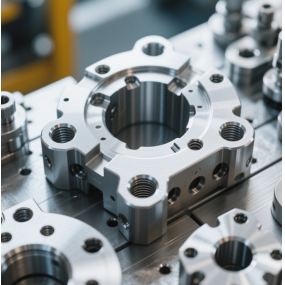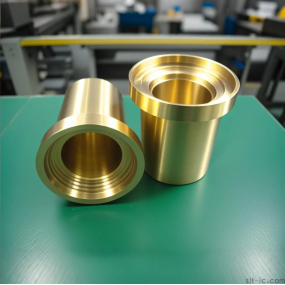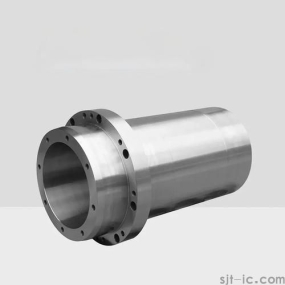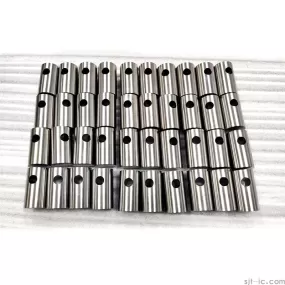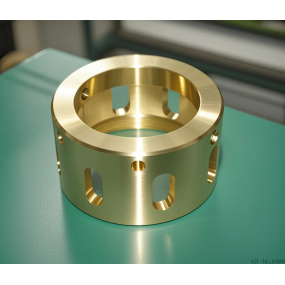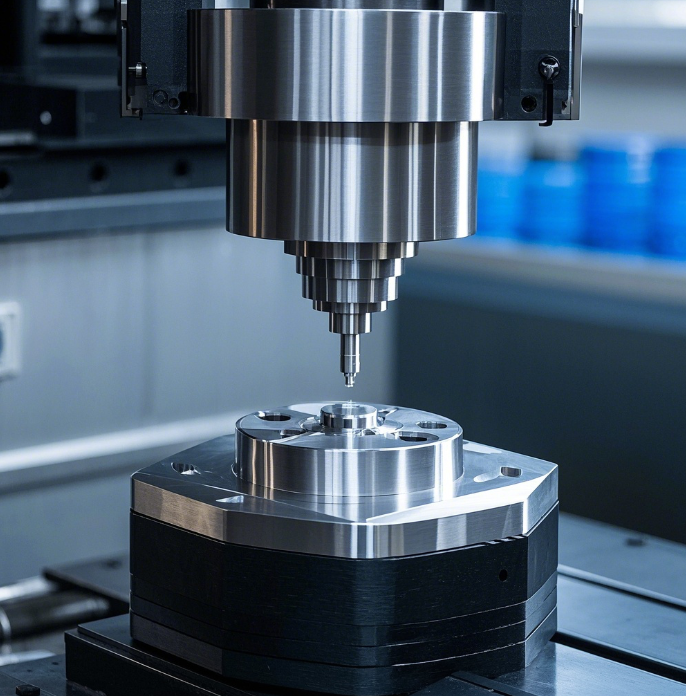
Precision CNC Machining for Stainless Steel is widely used in industries that require strong, durable, and highly accurate components. Stainless steel is known for its excellent corrosion resistance, strength, and heat resistance, but these same properties also make it more difficult to machine compared with many other metals.
For manufacturers and engineers, choosing the right machining method, controlling production quality, and managing costs are key challenges. A reliable CNC machining partner with experience in stainless steel can help achieve tight tolerances, excellent surface finishes, and stable production results. Companies such as EMAR provide professional precision CNC machining solutions for stainless steel parts used in demanding industries.
Understanding stainless steel properties for CNC machining is the first step to producing high-quality parts. Stainless steel contains chromium, which creates a thin passive oxide layer on the surface. This layer protects the material from rust and corrosion, making stainless steel suitable for harsh environments.
Besides corrosion resistance, stainless steel has several important properties:
However, these advantages create machining difficulties. The toughness and hardness of stainless steel can increase cutting forces and generate more heat during machining. As a result, cutting tools may wear faster, and improper machining conditions can cause poor surface quality or dimensional errors.
Different stainless steel grades have different mechanical and chemical characteristics. Selecting the correct material is important for achieving the required performance and controlling manufacturing costs.
Choosing the correct stainless steel grade helps manufacturers balance performance, machining difficulty, and overall project cost.
The machining processes for stainless steel precision require careful planning because stainless steel reacts differently from softer metals. Proper tooling, cutting parameters, and cooling methods are necessary to achieve accurate results.
Milling is one of the most common CNC processes for creating stainless steel components with complex shapes, slots, pockets, and detailed features.
Because stainless steel produces high cutting forces and heat, manufacturers often use carbide-tipped end mills. Carbide tools provide better wear resistance and can maintain cutting performance during longer machining operations.
Important milling considerations include:
With optimized milling parameters, stainless steel parts can achieve precise dimensions and smooth finishes.
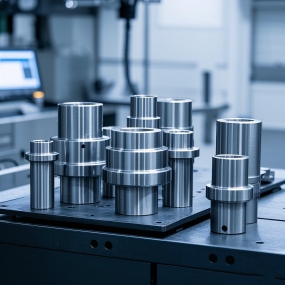
CNC turning is mainly used to manufacture cylindrical stainless steel components such as shafts, bushings, fittings, and connectors.
Successful stainless steel turning depends on selecting the correct cutting tools. Carbide inserts with suitable geometries are commonly used because they can withstand high cutting pressure and temperature.
Key factors in stainless steel turning include:
Proper turning techniques help produce stainless steel parts with consistent dimensions and reliable performance.
Drilling stainless steel requires extra attention because the material can cause high friction and work hardening. Standard drills may wear quickly or break if the machining conditions are incorrect.
Manufacturers commonly use cobalt-based or carbide drill bits because they provide better hardness and heat resistance.
To achieve accurate holes, CNC operators should:
These methods improve hole accuracy and reduce the risk of tool failure.
Quality control in stainless steel CNC machining is essential because many stainless steel components are used in safety-critical applications. Even small dimensional errors can affect assembly, performance, and product reliability.
During machining, manufacturers perform inspections at different production stages to ensure parts remain within required tolerances.
Common inspection tools include:
Tool wear monitoring is also important. A worn cutting tool can create inaccurate dimensions, poor surface finishes, and inconsistent production results. Regular inspection helps identify problems before defective parts are produced.
After machining, stainless steel components may require additional testing to confirm quality and performance.
Following industry standards and customer specifications ensures that CNC-machined stainless steel parts meet strict quality requirements.
Cost-effectiveness in stainless steel machining depends on many factors, including material selection, tooling strategy, production volume, and machining efficiency.
The cost of stainless steel varies depending on the grade. Higher-performance grades, such as corrosion-resistant 316 stainless steel, usually cost more than general-purpose grades like 304.
Selecting the right material based on the actual application can reduce unnecessary expenses. For example, if a component does not require extreme chemical or marine corrosion resistance, choosing a more economical stainless steel grade may provide better cost efficiency.
Because stainless steel is tough and can cause increased tool wear, tooling costs are an important consideration.
Manufacturers can reduce costs through:
Experienced CNC machining suppliers can improve production efficiency by combining the right tools, processes, and quality management systems.
Applications of CNC-machined stainless steel can be found across many industries because stainless steel combines durability, cleanliness, and corrosion resistance.
Stainless steel is widely used in food processing equipment, storage tanks, pipelines, and production machinery.
Its corrosion resistance helps prevent contamination and allows equipment to maintain hygienic conditions. Precision machining ensures that connecting parts, valves, and components fit correctly and operate reliably.
Medical devices require materials that are strong, safe, and resistant to corrosion. CNC-machined stainless steel is commonly used for surgical instruments, medical equipment components, and implants.
Its biocompatibility, durability, and ability to withstand sterilization processes make stainless steel an important material in healthcare applications.
Aerospace and automotive manufacturers use stainless steel parts where strength, heat resistance, and corrosion protection are required.
In these industries, precision is critical because components must meet strict safety and performance requirements.
Precision plays a major role in the success of stainless steel machining projects. Accurate machining ensures proper assembly, reduces material waste, improves product lifespan, and helps components perform safely under demanding conditions.
From selecting the right stainless steel grade to controlling machining parameters and performing detailed inspections, every step affects the final quality. Working with an experienced CNC machining provider such as EMAR can help businesses achieve reliable stainless steel components with consistent accuracy, competitive costs, and professional manufacturing support.