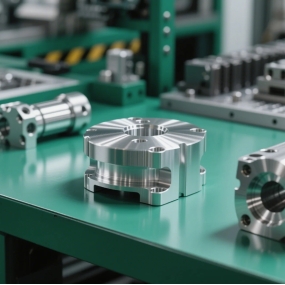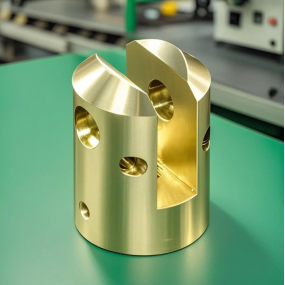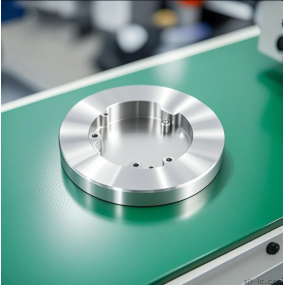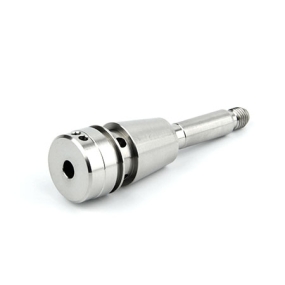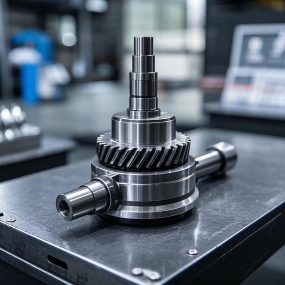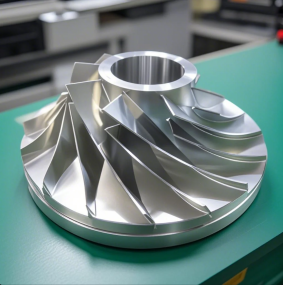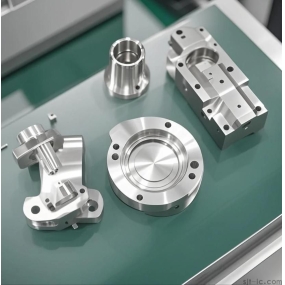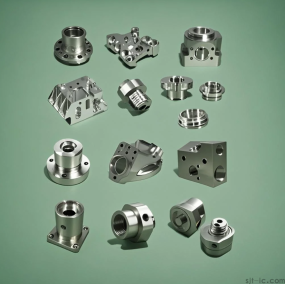

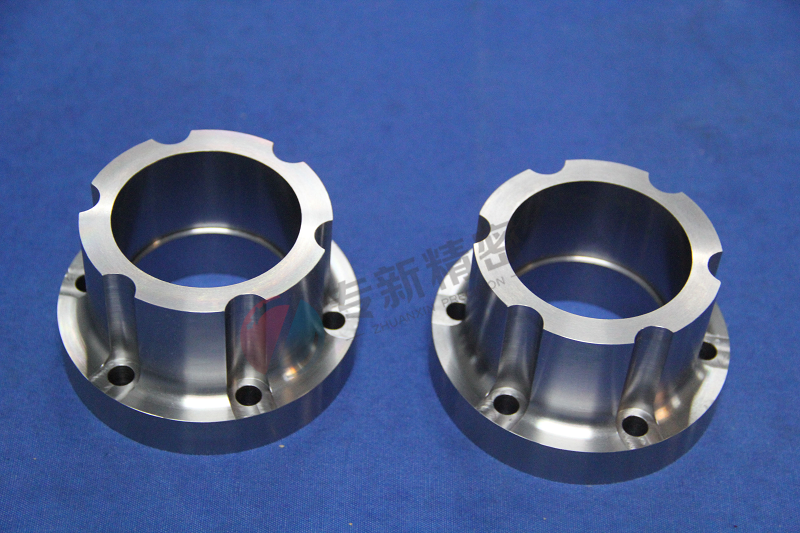
CNC processing of petroleum pipeline parts is an important manufacturing method used to produce accurate and reliable components for oil and gas transportation systems. Petroleum pipelines work under difficult conditions, including high pressure, temperature changes, and exposure to corrosive fluids. Because of these challenges, pipeline parts must have excellent strength, precise dimensions, and long service life.
Modern CNC Machining technology helps manufacturers produce pipeline components with consistent quality. From elbows and tees to flanges and special connectors, CNC machines can create complex shapes while maintaining strict accuracy requirements. This article explains the main parts, material choices, machining methods, precision standards, and quality control processes used in petroleum pipeline manufacturing.
Understanding the types of petroleum pipeline parts in CNC processing helps engineers and buyers choose suitable manufacturing solutions. Different pipeline components have different functions, designs, and machining requirements.
For example, in an offshore oil pipeline project, a flange may need to withstand strong seawater corrosion and high internal pressure. CNC processing allows manufacturers to create the exact sealing surface and bolt pattern needed for safe installation.
The material selection for CNC-processed petroleum pipeline parts directly affects durability, safety, and operating costs. Materials must resist corrosion, pressure, impact, and temperature changes.
Stainless steel is widely used in petroleum pipeline parts because it provides strong corrosion resistance. Common grades include 304 stainless steel and 316 stainless steel.
For example, pipelines used near coastal oil platforms often use 316 stainless steel components because they can better resist saltwater corrosion.
Alloy steels are selected when pipeline parts require higher strength and pressure resistance. These materials are commonly used in high-pressure oil and gas systems.
The correct material depends on the working environment, fluid type, pressure level, and service temperature. Professional manufacturers usually review project requirements before recommending materials.
The CNC machining techniques for petroleum pipeline parts used in production depend on the shape, size, and accuracy requirements of each component. CNC machines provide automatic control, high repeatability, and stable production quality.
CNC turning is mainly used for round pipeline parts such as flanges, connectors, and cylindrical fittings. During turning, the workpiece rotates while cutting tools remove material to create the required diameter and surface shape.
Typical applications include:
CNC milling uses rotating cutting tools to remove material from different directions. It is useful for parts with complex shapes or additional features.
Common applications include:
CNC drilling creates accurate holes in pipeline components. Flanges especially require precise bolt holes because incorrect hole positions can cause installation problems or sealing failures.
For large pipeline flange production, CNC drilling ensures that every bolt hole matches engineering drawings and assembly standards.
The precision requirements in CNC processing of petroleum pipeline parts are extremely strict because even small errors can affect pipeline safety and performance.
Important precision factors include:
For example, a flange with an inaccurate sealing surface may cause gasket failure. CNC machining helps avoid these problems by maintaining stable processing conditions and repeatable results.
The quality control in CNC processing of petroleum pipeline parts ensures that finished components meet industry safety requirements. Reliable manufacturers use multiple inspection methods throughout production.
Visual inspection is the first quality check. Inspectors examine parts for surface defects, cracks, scratches, machining marks, and other visible problems.
Ultrasonic testing uses sound waves to detect internal defects that cannot be seen from the outside. It helps identify problems such as hidden cracks or material weaknesses.
Radiographic testing uses X-ray technology to inspect internal structures. It is often used for critical petroleum pipeline components where safety requirements are very high.
Manufacturers use precision measuring equipment to check sizes, tolerances, hole positions, and surface quality. Inspection reports provide customers with proof of product quality.
Choosing the right supplier is important because petroleum pipeline parts directly affect system safety. Buyers should consider the following factors:
EMAR provides professional CNC processing services for petroleum pipeline parts, supporting customers with precision manufacturing solutions for demanding industrial applications. With experience in CNC machining, EMAR can produce different pipeline components, including flanges, connectors, and customized parts according to customer drawings and specifications.
EMAR focuses on material selection, machining accuracy, and quality inspection to help customers receive reliable products. The company uses suitable CNC machining methods for different part designs and follows strict quality standards during production.
By combining manufacturing experience, efficient production processes, and careful inspection procedures, EMAR helps customers achieve a balance between product reliability and cost control. This makes its CNC processing services suitable for petroleum, energy, and industrial pipeline projects.
CNC processing of petroleum pipeline parts plays a key role in producing safe and durable oil and gas pipeline systems. Components such as elbows, tees, flanges, and connectors require carefully selected materials, accurate machining methods, and strict quality control.
Through advanced CNC turning, milling, drilling, and professional inspection processes, manufacturers can produce pipeline parts that meet demanding industrial requirements. Companies like EMAR provide reliable CNC processing solutions by combining machining experience, quality management, and cost-effective manufacturing methods to support modern petroleum pipeline projects.