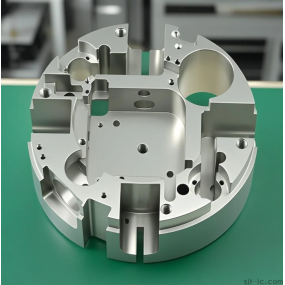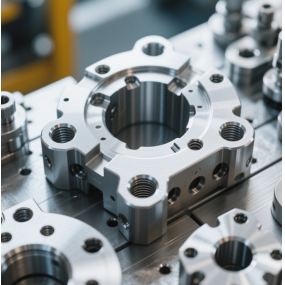

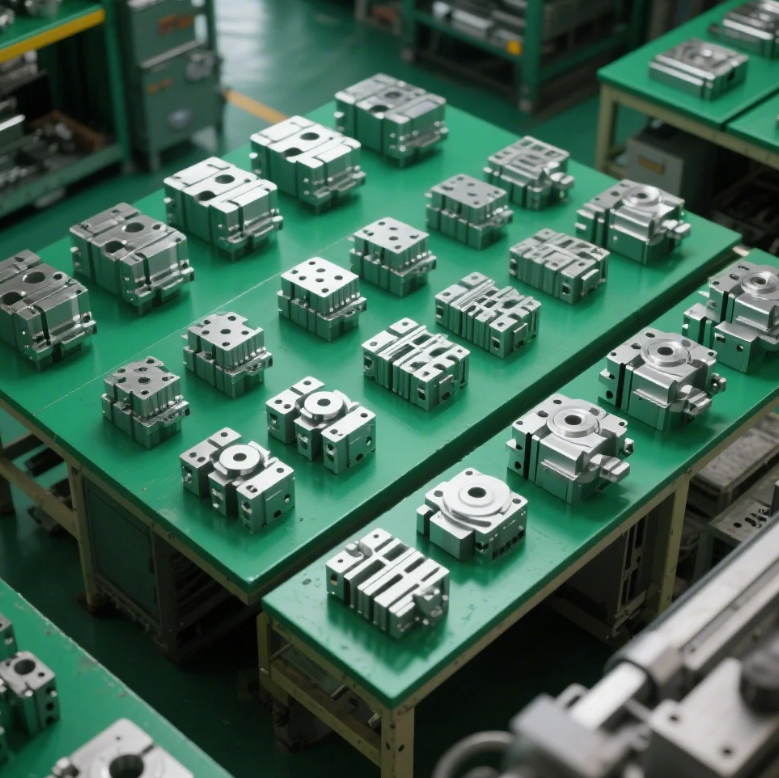
Modern industries are developing faster than ever, and many companies need parts that cannot be purchased from standard suppliers. Aerospace systems, medical devices, robotics equipment, automation machines, and other advanced applications often require unique components with special shapes, materials, and performance features. Precision CNC Non-Standard Machining Solutions for Custom Components provide a reliable way to create these specialized parts with high accuracy and consistent quality.
Unlike standard parts, non-standard custom components are designed around a specific product requirement. They must meet exact functional, geometric, and performance targets. A professional CNC Machining partner can help turn complex ideas into practical components while controlling quality, cost, and production efficiency. Companies such as EMAR provide customized CNC machining services to support industries that require precision parts with unique specifications.
Many industries cannot rely only on ready-made components because their products have unique designs and operating conditions. Non-standard components solve problems that standard parts cannot handle. They are created according to specific engineering requirements, including special dimensions, unusual shapes, extreme working environments, or strict performance needs.
In the aerospace industry, for example, manufacturers often require custom-shaped brackets, structural supports, and lightweight connectors that fit unique aircraft designs. These parts must provide high strength while reducing weight. Even a small dimensional error can affect assembly accuracy and system reliability.
The medical industry also depends on non-standard components. Patient-specific implants, surgical tools, and medical equipment parts often need customized designs based on individual requirements. These components must provide excellent accuracy, biocompatibility, and long-term reliability.
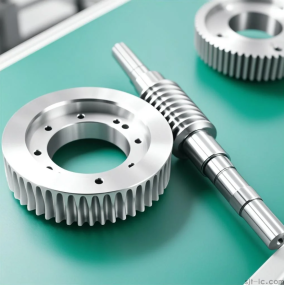
Robotics and automation industries use many custom components as well. Robotic arms, precision movement systems, and automated machines may require specially designed joints, housings, gears, and mounting parts. These components directly affect movement accuracy and overall machine performance.
Because these parts often serve critical functions, choosing the right manufacturing method is essential. Precision CNC machining allows manufacturers to produce complex custom components with repeatable accuracy and stable quality.
The design stage is one of the most important steps in creating custom CNC components. Good design improves machining efficiency, reduces production risks, and helps control costs. Modern engineers use CAD/CAM software to develop detailed 3D models, simulate machining processes, and prepare accurate CNC programs.
When designing non-standard components for CNC, engineers must consider not only the final shape but also how the part will be manufactured. A design that looks perfect on a computer may create machining difficulties if tools cannot reach certain areas or if the structure is too fragile.
Important design factors include:
For example, designers should avoid sharp internal corners whenever possible because standard cutting tools usually create rounded corners. Using proper corner radii can reduce tool breakage and improve machining stability.
Working closely with CNC machining specialists during the design phase is also valuable. Experienced manufacturers can suggest design improvements that make the component easier to machine while maintaining its required performance.
Choosing the correct material is another major challenge when producing custom components. The material must match the working environment, mechanical requirements, and manufacturing process.
Material selection in non-standard CNC machining depends on factors such as strength, hardness, corrosion resistance, temperature resistance, weight, and electrical or thermal properties.
Common materials used for precision CNC non-standard components include:
For example, an aerospace component may use titanium because it needs high strength while keeping aircraft weight low. A medical device component may use a corrosion-resistant material because it must operate safely inside or around the human body.
Different materials require different machining strategies. Hard materials may need slower cutting speeds, stronger tools, and improved cooling methods. Softer materials may require special techniques to prevent deformation or surface damage.
Precision CNC machining uses multiple processes to transform raw materials into finished custom components. The correct machining sequence ensures accuracy, efficiency, and surface quality.
Rough machining is the first step. It removes large amounts of unnecessary material quickly and creates a basic shape close to the final design. Strong cutting tools and optimized cutting parameters are used to improve efficiency while maintaining part stability.
After rough machining, finishing operations create detailed features and accurate dimensions.
The machining parameters, including cutting speed, feed rate, and tool selection, must be adjusted according to the material and design requirements. Proper process planning reduces errors and improves production consistency.
Some complex components require advanced processes. Electrical discharge machining (EDM), for example, can create precise internal shapes, narrow slots, and hard-to-reach features that traditional cutting tools cannot easily produce.
The combination of different machining technologies allows manufacturers to produce highly complex custom components while maintaining strict accuracy requirements.
Many customers worry that custom machining will be too expensive. Although non-standard components usually require more engineering and preparation work, proper planning can make production cost-effective.
Cost-effectiveness in non-standard CNC production depends on several factors:
Value engineering is an effective cost-saving method. Engineers can review the design and simplify unnecessary features without reducing functionality. For repeated orders, batch production can further improve cost efficiency.
An experienced CNC machining provider like EMAR can help customers balance performance requirements and manufacturing costs by offering professional suggestions during design and production planning.
Quality control is essential because non-standard components are often used in critical applications. A small manufacturing error can affect the performance, safety, and reliability of the final product.
Quality control in precision non-standard machining includes inspection throughout the entire manufacturing process, not only after production is complete.
Common quality control methods include:
Following industry standards and customer-specific requirements helps guarantee reliable results. Professional CNC manufacturers use strict inspection procedures to ensure every custom component performs as expected.
Producing custom components requires more than advanced machines. It requires engineering knowledge, manufacturing experience, quality management, and strong communication. The right machining partner can help solve challenges related to design optimization, material selection, machining methods, and cost control.
EMAR provides precision CNC non-standard machining solutions for custom components, supporting customers with customized production services, advanced CNC equipment, and professional manufacturing experience. By combining technical expertise with strict quality control, EMAR helps industries create reliable components for demanding applications.
Whether a project requires a small prototype or complex production parts, precision CNC non-standard machining provides the flexibility and accuracy needed for modern manufacturing. With the right design approach, suitable materials, optimized processes, and careful inspection, custom components can achieve excellent performance and long-term value.