Spanish
 Arabic
 French
 Portuguese
 Belarusian
 Japanese
 Russian
 Malay
Malay Icelandic
 Bulgarian
 Azerbaijani
 Estonian
 Irish
Irish Polish
 Persian
 Boolean
 Danish
 German
 Filipino
 Finnish
 Korean
 Dutch
Dutch Galician
 Catalan
 Czech
Czech Croatian
 Latin
Latin Latvian
 Romanian
 Maltese
 Macedonian
 Norwegian
 Swedish
 Serbian
 Slovak
 Slovenian
 Swahili
 Thai
Thai Turkish
 Welsh
Welsh Urdu
Urdu Ukrainian
 Greek
Greek Hungarian
 Italian
 Yiddish
 Indonesian
 Vietnamese
 Haitian Creole
 Spanish Basque

HTML
Precision CNC Machining for High - Quality Aluminum Enclosures
High - quality aluminum enclosures are widely used in electronics, medical equipment, industrial systems, communication devices, and other precision applications. These enclosures must do more than protect internal components. They need accurate dimensions, attractive appearance, strong durability, and reliable performance in different environments.
Precision CNC Machining for High - Quality Aluminum Enclosures provides an effective solution for manufacturers that need tight tolerances, complex designs, and consistent production quality. With advanced CNC technology, aluminum enclosures can achieve excellent fit, smooth surfaces, and long service life while meeting strict industry requirements.
Why Precision CNC Machining Is Important for Aluminum Enclosures
Many enclosure problems come from inaccurate dimensions, poor surface quality, weak structures, or design limitations. A small error in an enclosure can cause assembly problems, poor sealing, overheating, or damage to sensitive internal parts.
Precision CNC machining helps solve these problems by using computer-controlled machines to remove material with very high accuracy. This process allows manufacturers to create aluminum enclosures with:
- Tight tolerances: CNC machines can produce accurate dimensions, ensuring covers, mounting holes, and internal components fit together correctly.
- Complex and attractive designs: CNC machining can create detailed shapes, curved surfaces, pockets, grooves, and customized features that improve both function and appearance.
- High durability: A properly machined aluminum enclosure provides strong protection against impact, vibration, heat, and environmental conditions.
For companies that require reliable aluminum enclosure production, experienced CNC suppliers such as EMAR use advanced machining equipment and quality management methods to deliver stable results from prototype development to mass production.
Design Considerations for CNC - Machined Aluminum Enclosures
The first step in producing a high-quality aluminum enclosure is understanding the application. The purpose of the enclosure directly affects its size, structure, and additional features. Good design considerations for CNC - machined aluminum enclosures help avoid costly changes during production.
Application Requirements
Different industries have different enclosure requirements:
- Electronics enclosures: Need space for circuit boards, connectors, batteries, and heat management systems.
- Medical device enclosures: Require smooth surfaces, easy cleaning, high reliability, and strict dimensional accuracy.
- Industrial equipment enclosures: Often need stronger structures to resist vibration, dust, and harsh working conditions.
Size, Shape, and Internal Layout
The enclosure size should provide enough room for internal components while avoiding unnecessary material usage. Designers should consider wall thickness, mounting locations, screw holes, and assembly methods.
Complex designs are possible with CNC machining, but features such as deep cavities, thin walls, and small internal corners should be carefully planned. Proper design reduces machining difficulty and improves production efficiency.
Ventilation and Heat Management
Electronic devices often generate heat during operation. The enclosure design may require ventilation holes, cooling fins, or heat transfer surfaces. CNC machining can create precise cooling structures that help maintain safe operating temperatures.
EMI and RFI Shielding Needs
Some electronic products require protection against electromagnetic interference (EMI) and radio frequency interference (RFI). Aluminum is naturally suitable for shielding applications because it is electrically conductive. Proper contact surfaces, sealing areas, and grounding designs are important for effective protection.
Aluminum Alloy Selection for High - Quality Enclosures
Choosing the correct aluminum alloy is a key factor in enclosure performance. Different alloys provide different levels of strength, conductivity, corrosion resistance, and machinability. Proper aluminum alloy selection for high - quality enclosures ensures the final product meets its working requirements.
- 6061 aluminum: A popular choice because it offers good strength, corrosion resistance, and excellent machinability. It is suitable for many industrial and electronic applications.
- 6063 aluminum: Provides good surface finish and is often used when appearance is important.
- 7075 aluminum: Offers very high strength and is suitable for demanding applications where weight reduction and durability are important.
- 5052 aluminum: Provides strong corrosion resistance and good forming ability for specific enclosure designs.
The alloy choice depends on factors such as mechanical load, environmental exposure, electrical requirements, appearance, and production cost.
CNC Machining Operations for Aluminum Enclosure Production
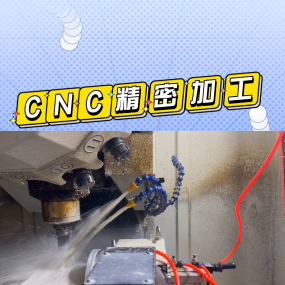
Manufacturing aluminum enclosures usually involves several machining operations. Each operation requires suitable tools and carefully controlled cutting parameters to achieve accurate results.
Milling Operations in Aluminum Enclosure Production
Milling operations in aluminum enclosure production are commonly used to create the main enclosure shape, pockets, slots, mounting areas, and detailed surface features.
High-quality carbide end mills are often selected for aluminum machining because they provide sharp cutting edges and good wear resistance. Cutting speed, feed rate, and depth of cut must be adjusted according to the alloy, tool design, and machine capability.
Turning, Drilling, and Cutting
- Turning: Used for cylindrical enclosure parts or rotating components.
- Drilling: Creates accurate holes for screws, connectors, and assembly features.
- Cutting: Removes excess material and prepares the basic enclosure shape.
During machining, operators carefully control cutting speed, feed rate, and depth of cut. Incorrect settings may cause tool wear, poor surface quality, overheating, or dimensional errors.
Common Challenges in CNC Machining Aluminum Enclosures
Although aluminum is easy to machine compared with many metals, manufacturers still need to solve several challenges to maintain high quality.
Minimizing Burrs
Burrs can affect assembly accuracy and product appearance. Using sharp tools, optimized cutting parameters, and proper deburring processes helps create clean edges and smooth surfaces.
Preventing Warping in CNC - Machined Aluminum Enclosures
Thin aluminum walls can deform because of cutting forces or heat during machining. Preventing warping in CNC - machined aluminum enclosures requires careful fixture design, balanced material removal, suitable cutting conditions, and proper machining sequences.
Maintaining Consistent Surface Finish
Customers often expect aluminum enclosures to have a premium appearance. Consistent tool paths, stable machine operation, and correct finishing methods help avoid uneven textures, scratches, or visible machining marks.
Post - Machining Processes for Better Protection and Appearance
After CNC machining, additional treatments can improve enclosure performance and appearance.
Anodizing
Anodizing creates a protective oxide layer on aluminum surfaces. It improves corrosion resistance, increases surface hardness, and allows different color finishes for better product appearance.
Silk - Screening and Labeling
Silk-screening is commonly used to add product information, logos, warning signs, and operating instructions. This process improves product identification and user experience.
Quality Control in Precision CNC - Machined Aluminum Enclosures
Reliable quality control is essential because aluminum enclosures often protect expensive or sensitive equipment. A professional machining supplier should verify every important production stage.
Quality control in precision CNC - machined aluminum enclosures typically includes:
- Dimensional inspection: Checking critical measurements, hole positions, tolerances, and assembly features using precision measuring equipment.
- Surface finish inspection: Confirming that the enclosure meets appearance and texture requirements.
- Material property verification: Ensuring the selected aluminum alloy meets strength, conductivity, and corrosion resistance requirements.
- Process monitoring: Tracking machining conditions to maintain consistent quality during production.
EMAR provides professional precision CNC machining services for high-quality aluminum enclosures, supporting customers from design review and material selection to machining, finishing, and inspection. With experience in different industries, EMAR helps customers create reliable enclosure solutions that meet both functional and visual requirements.
Conclusion
Precision CNC machining is a powerful manufacturing method for producing high-quality aluminum enclosures with accurate dimensions, complex designs, and excellent durability. Successful production depends on careful design planning, correct aluminum alloy selection, optimized machining processes, and strict quality control.
By choosing the right machining partner and applying advanced CNC techniques, businesses can achieve aluminum enclosures that protect internal components, improve product value, and perform reliably in demanding applications.