Spanish
 Arabic
 French
 Portuguese
 Belarusian
 Japanese
 Russian
 Malay
Malay Icelandic
 Bulgarian
 Azerbaijani
 Estonian
 Irish
Irish Polish
 Persian
 Boolean
 Danish
 German
 Filipino
 Finnish
 Korean
 Dutch
Dutch Galician
 Catalan
 Czech
Czech Croatian
 Latin
Latin Latvian
 Romanian
 Maltese
 Macedonian
 Norwegian
 Swedish
 Serbian
 Slovak
 Slovenian
 Swahili
 Thai
Thai Turkish
 Welsh
Welsh Urdu
Urdu Ukrainian
 Greek
Greek Hungarian
 Italian
 Yiddish
 Indonesian
 Vietnamese
 Haitian Creole
 Spanish Basque

HTML
Precision Aluminum CNC Machining Services by EMAR
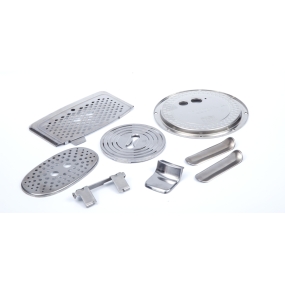
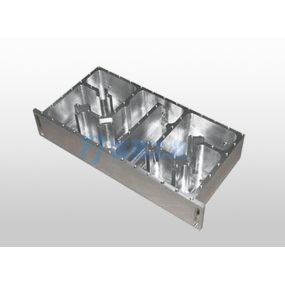
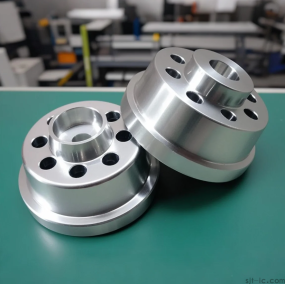
When companies need aluminum parts with high accuracy, smooth surfaces, and reliable performance, choosing the right machining partner is a critical decision. Poor machining quality can lead to assembly problems, production delays, and higher costs. Precision Aluminum CNC Machining Services by EMAR are designed to solve these challenges by combining advanced CNC equipment, experienced engineers, strict quality control, and flexible production solutions.
EMAR helps customers develop aluminum parts for different industries, including aerospace, electronics, automotive, medical equipment, and industrial applications. From prototypes to large-volume production, EMAR provides complete CNC machining support to help customers achieve their design goals with stable quality and competitive pricing.
Why Choose EMAR for Precision Aluminum CNC Machining?
Many customers worry about three main issues when selecting a CNC machining supplier: product quality, production cost, and delivery reliability. EMAR focuses on these areas by using modern manufacturing technology and a customer-centered engineering process.
High-Precision Machining with Advanced CNC Equipment
Aluminum is lightweight and easy to machine, but achieving tight tolerances still requires professional equipment and skilled operators. EMAR uses advanced CNC machines to produce complex aluminum parts with excellent dimensional accuracy.
The company uses equipment such as high-speed 3-axis and 4-axis CNC machining centers for efficient aluminum milling, as well as 5-axis CNC machining centers for complex parts requiring multiple angles and fewer setups. These machines provide:
- High spindle speeds suitable for aluminum machining
- Stable cutting performance for accurate dimensions
- Multi-axis movement for complex geometries
- Reduced setup time and improved production efficiency
- Consistent quality from prototypes to mass production
These capabilities are one of the key advantages of EMAR's aluminum CNC machining, allowing customers to receive parts that meet strict design requirements without unnecessary manufacturing delays.
Experienced Engineering and Technical Support
A successful CNC project depends on more than machines. EMAR's engineering and technical teams work closely with customers to review drawings, materials, tolerances, and production requirements before machining begins.
The engineering team helps customers improve part designs by considering:
- Machining difficulty and production efficiency
- Suitable aluminum alloy selection
- Tolerance requirements
- Surface finish needs
- Cost reduction opportunities
This cooperation helps prevent design problems early and creates a smoother production process.
Design Considerations for EMAR Aluminum CNC Machining Projects
Every aluminum part has a different purpose. Before production, EMAR studies the customer's application to understand how the part will be used and what performance requirements it must meet.
Understanding Application Requirements
For aerospace parts, lightweight design and high strength are usually important. For electronic housings, customers may need excellent appearance, heat dissipation, and precise assembly. Automotive components often require durability, dimensional stability, and cost-effective manufacturing.
EMAR works with customers to evaluate:
- Part function and operating environment
- Required strength and weight limitations
- Assembly requirements
- Expected production quantity
- Surface appearance and finishing needs
This approach ensures that the machining process matches the real application instead of only producing a part based on a drawing.
Material Selection for EMAR's Precision Aluminum Parts
Choosing the correct aluminum alloy is important because different alloys provide different levels of strength, corrosion resistance, machinability, and surface quality. Material selection for EMAR's precision aluminum parts depends on the customer's application and performance requirements.
EMAR can process various aluminum alloys, including:
- 6061 Aluminum: A popular choice because it offers good strength, corrosion resistance, and excellent machinability. It is widely used for industrial parts, frames, and electronic components.
- 7075 Aluminum: A high-strength alloy often selected for aerospace and high-performance applications where strength-to-weight ratio is important.
- 5052 Aluminum: Known for corrosion resistance and good forming ability, making it suitable for enclosures and structural applications.
- 2024 Aluminum: Provides high strength and fatigue resistance, commonly used for aerospace-related parts.
- 6063 Aluminum: Suitable for parts requiring good surface appearance and smooth finishing.
EMAR's engineers help customers select the most suitable aluminum material based on function, budget, and production requirements.
Aluminum CNC Machining Operations Available at EMAR
EMAR provides a wide range of machining operations to meet different part designs and production needs.
CNC Milling
CNC milling is commonly used for aluminum parts with flat surfaces, pockets, slots, holes, and complex shapes. High-speed carbide end mills are often used because aluminum requires sharp cutting edges for clean material removal.
Typical aluminum milling parameters may include:
- Spindle speed: approximately 3,000 to 15,000 RPM depending on tool size and machine capability
- Feed rate: approximately 500 to 3,000 mm/min depending on cutting conditions
- Depth of cut: commonly 1 to 5 mm depending on part design and rigidity
EMAR adjusts cutting parameters according to alloy type, tool selection, and tolerance requirements.
CNC Turning
CNC turning is suitable for aluminum parts with cylindrical features, shafts, rings, and precision rotating components. Sharp carbide turning tools help achieve smooth surfaces while reducing cutting resistance.
Proper speed and feed settings help maintain accuracy and prevent surface damage during machining.
Drilling and Hole Machining
Precision holes are common in aluminum components. EMAR uses suitable drills, boring tools, and reamers to achieve accurate hole sizes and positions.
Coolant and proper chip removal methods are important because aluminum chips can stick to tools and affect machining quality.
5-Axis Machining
5-axis machining in EMAR's aluminum services allows complex aluminum parts to be machined from multiple directions in one setup. This technology reduces repositioning errors and improves accuracy for parts with curved surfaces or complicated structures.
5-axis machining is especially useful for:
- Aerospace components with complex geometries
- Lightweight structural parts
- Precision housings and advanced mechanical components
Solving Common Aluminum CNC Machining Challenges
Maintaining Dimensional Accuracy
Customers often worry that aluminum parts may lose accuracy because of material movement or machining stress. EMAR controls this risk through optimized cutting strategies, proper fixture design, and in-process inspections.
Engineers carefully manage machining sequences to reduce deformation and maintain tight tolerances throughout production.
Handling Burrs in EMAR's Aluminum CNC Machining
Aluminum is soft and can create burrs during cutting, especially around edges and drilled holes. Handling burrs in EMAR's aluminum CNC machining includes using suitable cutting tools, optimized cutting conditions, and professional deburring processes.
EMAR can provide additional finishing steps such as:
- Manual deburring
- Edge rounding
- Surface polishing
- Cleaning processes
These steps improve part safety, appearance, and assembly performance.
Managing Heat During Aluminum Machining
Although aluminum conducts heat well, excessive heat during high-speed machining can affect tool life and surface quality. EMAR controls heat-related issues through:
- Proper cutting speeds and feeds
- Effective coolant application
- Suitable tool selection
- Optimized machining paths
This helps maintain stable production and consistent part quality.
Post-Machining Services for Aluminum Parts
After CNC machining, EMAR provides additional processing options to improve appearance, durability, and functionality.
- Anodizing: Improves corrosion resistance, increases surface hardness, and allows different color options.
- Sandblasting: Creates a uniform matte surface appearance.
- Polishing: Provides a smoother and more attractive finish.
- Brushing: Creates a professional surface texture.
- Coating: Adds additional protection for specific applications.
These finishing options help aluminum components meet both technical and visual requirements.
Quality Control in EMAR's Precision Aluminum Machining
Quality control is one of the most important factors when choosing a CNC machining supplier. EMAR applies inspection procedures throughout the manufacturing process to ensure every part meets customer specifications.
Quality control in EMAR's precision aluminum machining includes:
- Reviewing customer drawings and technical requirements before production
- Checking raw material quality
- Performing in-process inspections during machining
- Measuring critical dimensions and tolerances
- Conducting final product inspections before shipment
Advanced measuring equipment and experienced inspectors help identify potential issues early and maintain reliable product quality.
From Prototype to Mass Production: Reliable Aluminum CNC Solutions
EMAR supports customers at every stage of product development. Whether a customer needs a single prototype for testing or thousands of aluminum parts for production, EMAR provides flexible manufacturing solutions.
The company combines engineering support, advanced CNC technology, efficient production methods, and strict quality management to deliver reliable aluminum machining services.
For companies looking for Precision Aluminum CNC Machining Services by EMAR, the goal is not only to manufacture parts but also to create a dependable long-term manufacturing partnership. With competitive pricing, professional support, and strong production capabilities, EMAR helps customers turn aluminum designs into high-quality finished products.