Spanish
 Arabic
 French
 Portuguese
 Belarusian
 Japanese
 Russian
 Malay
Malay Icelandic
 Bulgarian
 Azerbaijani
 Estonian
 Irish
Irish Polish
 Persian
 Boolean
 Danish
 German
 Filipino
 Finnish
 Korean
 Dutch
Dutch Galician
 Catalan
 Czech
Czech Croatian
 Latin
Latin Latvian
 Romanian
 Maltese
 Macedonian
 Norwegian
 Swedish
 Serbian
 Slovak
 Slovenian
 Swahili
 Thai
Thai Turkish
 Welsh
Welsh Urdu
Urdu Ukrainian
 Greek
Greek Hungarian
 Italian
 Yiddish
 Indonesian
 Vietnamese
 Haitian Creole
 Spanish Basque

HTML
CNC Machining Brass Small Parts: A Complete Guide to Design, Machining, and Quality Control
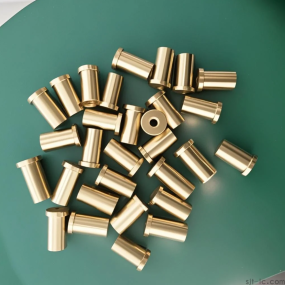
Brass small parts are widely used in industries such as kitchenware, electronics, plumbing, medical equipment, automotive systems, and precision instruments. These parts often require high accuracy, reliable performance, and an attractive appearance. CNC Machining Brass Small Parts is an effective manufacturing solution because it can produce detailed components with tight tolerances, smooth surfaces, and consistent quality.
Many customers face common problems when producing brass small parts, such as difficulty controlling dimensions, poor surface quality, material selection mistakes, and contamination during production. A professional CNC machining process helps solve these challenges by combining suitable brass materials, accurate programming, proper cutting tools, and strict inspection methods.
Why CNC Machining Is Suitable for Brass Small Parts
Brass is one of the most popular materials for precision CNC machining because of its excellent machining performance. Compared with many other metals, brass can be cut easily, allowing manufacturers to create small and complex parts efficiently.
- Excellent machinability: Brass produces small chips during cutting and reduces tool wear. This makes it suitable for high-volume production of small components.
- Good corrosion resistance: Brass can resist rust and corrosion in many environments, making it suitable for fittings, valves, kitchenware parts, and decorative components.
- Complex shape capability: CNC machines can produce small threads, deep holes, grooves, slots, and detailed structures with high accuracy.
- Stable dimensional performance: CNC machining can maintain consistent sizes across large production batches.
For companies that need reliable brass precision components, EMAR provides professional CNC machining services with experience in producing customized small brass parts. The company supports customers from design review to final inspection, helping improve production efficiency and part reliability.
Design Considerations for CNC Machined Brass Small Parts
Good design is the foundation of successful small part machining. Poor design choices may increase machining difficulty, production costs, or the risk of part failure. Following practical design tips for CNC-machined brass small parts can help create parts that are easier and more economical to manufacture.
Part Size and Overall Structure
Small brass components require careful consideration of dimensions. Extremely small features may be difficult to machine because cutting tools have size limitations. Designers should balance the required function with realistic machining capabilities.
Important design factors include:
- Avoid unnecessary tiny features that increase machining difficulty.
- Keep dimensions within achievable CNC machining tolerances.
- Consider how the part will be installed, assembled, or used.
- Leave enough space for tool access during machining.
Wall Thickness and Strength
Thin walls can reduce material usage and weight, but walls that are too thin may deform during machining. The correct wall thickness depends on the part size, application, and expected load.
For kitchenware or consumer products, wall thickness should also support safety and durability. A properly designed brass handle, connector, or decorative component should feel comfortable in the hand and avoid sharp edges that may cause injury.
Hole Depth, Diameter, and Internal Corner Radii
Hole design directly affects machining performance. Deep and narrow holes require special tools and careful cutting conditions. Designers should consider:
- Using standard drill sizes whenever possible.
- Avoiding extremely deep holes that increase tool deflection.
- Adding suitable internal corner radii because CNC tools cannot create perfectly sharp inside corners.
- Matching hole sizes with assembly requirements.
These details improve machining stability and reduce production problems.
Brass Material Selection for Small Part Machining
Choosing the correct brass alloy is important because different materials have different strength, hardness, and machining characteristics. Proper brass material selection for small part machining helps achieve the required performance and production efficiency.
H59 Brass
H59 brass contains higher copper content and provides good strength and wear resistance. It is often used for parts that require durability, such as mechanical components, connectors, and structural small parts.
H62 Brass
H62 brass is a common general-purpose brass material with a good balance of strength, ductility, and corrosion resistance. It is widely used for decorative parts, hardware components, and various precision machined products.
C36000 Brass
C36000, also known as free-machining brass, is one of the best choices for CNC machining. It offers excellent machinability, allowing faster cutting speeds, longer tool life, and better surface quality. It is commonly used for screws, fittings, valves, and small precision components.
CNC Machining Operations for Brass Small Parts
The machining process usually includes several operations depending on the part design. Professional CNC programming and correct cutting parameters are essential for achieving stable production results.
Brass Turning
Turning is commonly used for round brass parts such as shafts, bushings, pins, and threaded components. During turning, the workpiece rotates while a cutting tool removes material.
Typical turning parameters depend on the brass grade, machine condition, and tool type. As a general reference:
- Spindle speed: approximately 1,500–4,000 RPM for small brass parts.
- Feed rate: around 0.05–0.3 mm/rev depending on finishing requirements.
- Depth of cut: usually 0.2–2 mm for finishing and rough machining operations.
Proper turning parameters in brass small part CNC machining help prevent vibration, improve surface quality, and extend tool life.
Brass Milling
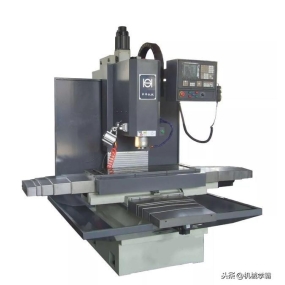
Milling is used to create flat surfaces, slots, pockets, grooves, and complex shapes. CNC milling machines can produce detailed brass components with excellent repeatability.
Carbide end mills are commonly used because they provide good wear resistance and stable cutting performance. Cutting conditions should be adjusted based on tool diameter, part geometry, and required finish.
Brass Drilling
Drilling creates holes for assembly, connection, or functional purposes. Sharp drill tools and proper chip removal are important because brass chips can affect machining quality if not controlled.
Common Challenges in Brass Small Part CNC Machining
Achieving a Smooth Surface Finish
Customers often require brass parts with a bright and attractive appearance, especially for kitchenware and decorative products. Poor cutting conditions, worn tools, or incorrect feeds can create scratches or uneven surfaces.
Methods for surface finish improvement in brass small part production include:
- Using sharp and suitable cutting tools.
- Applying proper finishing passes.
- Optimizing spindle speed and feed rate.
- Using polishing processes after machining when required.
Preventing Contamination
Brass parts used in kitchenware, medical equipment, or precision applications must be handled carefully. Oil residue, metal particles, and dust can affect product quality.
Good manufacturing practices include:
- Keeping machining areas clean.
- Using suitable coolants and cleaning methods.
- Separating brass production from contaminating materials when necessary.
- Performing final cleaning before delivery.
Maintaining Dimensional Accuracy
Small parts often have tight tolerance requirements. Temperature changes, tool wear, machine vibration, and incorrect settings can affect accuracy.
Manufacturers can maintain precision through regular machine calibration, tool monitoring, and continuous process adjustment.
Post-Machining Processes for Brass Parts
After CNC machining, additional processes may be applied to improve appearance and performance.
- Polishing: Creates a smooth and shiny surface for decorative or consumer products.
- Plating or coating: Improves corrosion resistance, wear resistance, and appearance.
- Cleaning: Removes machining residue and prepares parts for assembly or packaging.
Quality Control Steps in Brass Small Part CNC Manufacturing
Reliable quality control is essential for producing consistent brass small parts. A professional manufacturer follows strict inspection procedures throughout the production process.
The main quality control steps in brass small part CNC manufacturing include:
- Process control: Checking machine settings, cutting tools, and production parameters before and during machining.
- Dimensional inspection: Using measuring tools such as calipers, micrometers, and coordinate measuring machines to verify part dimensions.
- Surface inspection: Checking appearance, roughness, and possible machining defects.
- Sampling inspection: Performing batch inspections to confirm production consistency.
These quality control methods reduce production risks and ensure that each brass component meets customer requirements.
Choosing a Reliable CNC Machining Partner for Brass Small Parts
Producing high-quality brass small parts requires more than advanced machines. It requires experience in material selection, machining technology, quality management, and application requirements.
EMAR offers CNC machining solutions for customized brass small parts, supporting different industries with precision manufacturing, efficient production processes, and professional quality inspection. From prototype development to batch production, experienced CNC machining teams can help customers achieve accurate, durable, and cost-effective brass components.
Conclusion
CNC Machining Brass Small Parts provides an effective way to manufacture precise, durable, and visually attractive components. Brass offers excellent machinability, corrosion resistance, and design flexibility, while CNC technology ensures accurate and repeatable production.
By selecting the right brass material, optimizing design details, using proper machining parameters, controlling surface quality, and applying strict inspection procedures, manufacturers can produce reliable brass parts for many demanding applications.