Spanish
 Arabic
 French
 Portuguese
 Belarusian
 Japanese
 Russian
 Malay
Malay Icelandic
 Bulgarian
 Azerbaijani
 Estonian
 Irish
Irish Polish
 Persian
 Boolean
 Danish
 German
 Filipino
 Finnish
 Korean
 Dutch
Dutch Galician
 Catalan
 Czech
Czech Croatian
 Latin
Latin Latvian
 Romanian
 Maltese
 Macedonian
 Norwegian
 Swedish
 Serbian
 Slovak
 Slovenian
 Swahili
 Thai
Thai Turkish
 Welsh
Welsh Urdu
Urdu Ukrainian
 Greek
Greek Hungarian
 Italian
 Yiddish
 Indonesian
 Vietnamese
 Haitian Creole
 Spanish Basque

HTML
CNC Machining Metal Lighting Fixture Components: Precision, Materials, and Production Guide
Modern lighting fixtures are not only designed to provide light but also to create attractive spaces and reliable performance. Many lighting products require metal components with special shapes, accurate dimensions, and strong durability. This is why CNC Machining Metal Lighting Fixture Components has become an important manufacturing solution for lighting designers and manufacturers.
Choosing the right machining method can be challenging. Customers often need parts that match unique designs, control production costs, and maintain stable quality. CNC machining helps solve these problems by providing high precision, flexible customization, and consistent production results.
Why CNC Machining Is Suitable for Metal Lighting Fixture Components
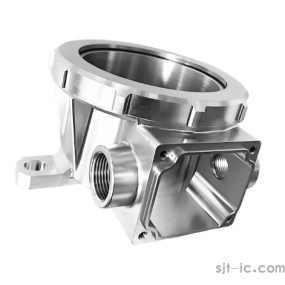
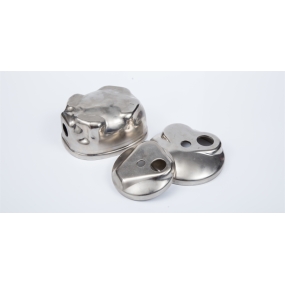
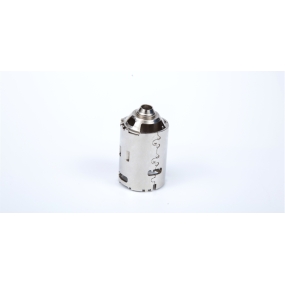
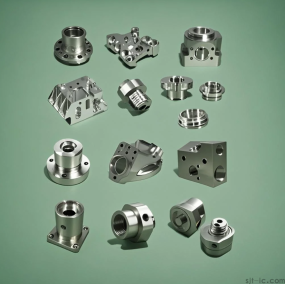
Lighting fixture components often include housings, frames, brackets, heat sinks, connectors, and decorative metal parts. These components may have complex shapes or require tight tolerances to fit perfectly with other parts.
One of the main advantages of CNC machining for metal lighting components is its ability to produce detailed designs with high accuracy. CNC machines follow computer-controlled instructions, allowing manufacturers to create the same part repeatedly with fewer human errors.
- High precision: CNC machining can achieve accurate dimensions for parts that require exact assembly.
- Design flexibility: Complex curves, holes, grooves, and custom structures can be produced based on customer drawings.
- Stable production: The same design can be manufactured consistently for small batches or large production runs.
- Fast customization: New designs can be adjusted through CAD files without making expensive molds.
Material Choices for CNC-Machined Metal Lighting Fixtures
The choice of metal directly affects the performance, appearance, and cost of lighting components. Different applications require different material properties, such as strength, weight, corrosion resistance, and heat control.
The most common material choices for CNC-machined metal lighting fixtures include:
- Aluminum: Lightweight, corrosion-resistant, and excellent for heat dissipation. It is widely used for LED housings and heat sinks.
- Stainless steel: Provides high strength and good resistance to corrosion, making it suitable for outdoor and industrial lighting applications.
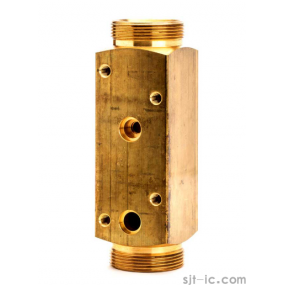
- Brass: Offers an attractive appearance and good machining performance for decorative lighting components.
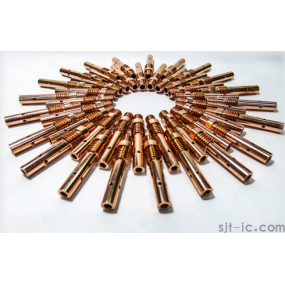
- Copper: Has excellent thermal conductivity and is useful for parts that need efficient heat transfer.
Metal materials provide important benefits for lighting fixtures. Compared with plastic parts, metal components usually have better durability, stronger structural support, and improved resistance to heat. This helps extend the service life of lighting products, especially in high-temperature working environments.
Machining Process of Metal Lighting Fixture Components via CNC
The machining process of metal lighting fixture components via CNC usually starts with design preparation and continues through machining, finishing, and inspection.
Design review: Engineers check customer drawings or 3D models to confirm dimensions, material requirements, and manufacturing possibilities.
Material preparation: The selected metal material is cut into suitable sizes before machining.
CNC programming: Manufacturing data is created to control cutting tools and machining paths.
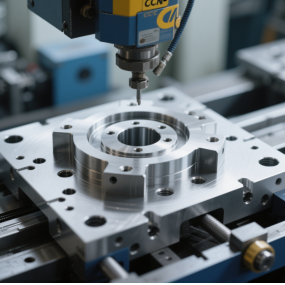
CNC machining: Processes such as milling, turning, drilling, and grinding are used to shape the metal parts.
Surface finishing: Options such as anodizing, polishing, brushing, and coating can improve appearance and protection.
Final inspection: Finished components are measured to confirm they meet design requirements.
Quality Control in CNC-Made Metal Lighting Parts
Lighting components often become visible parts of a product, so both appearance and function are important. Reliable quality control helps prevent assembly problems, surface defects, and performance issues.
Quality control in CNC-made metal lighting parts may include:
- Checking raw material certificates to confirm material quality.
- Using precision measuring tools to verify dimensions and tolerances.
- Inspecting surface finishes for scratches, uneven textures, or color problems.
- Testing component fit and assembly performance.
- Recording inspection data to maintain production consistency.
Experienced CNC manufacturers use advanced equipment and professional inspection systems to improve reliability. Companies such as EMAR provide CNC machining services for customized metal components, supporting customers with design communication, machining experience, and quality management throughout production.
Cost-Related Factors in CNC Machining Metal Lighting Components
Many customers worry that customized CNC machining will increase product costs. However, understanding the factors that influence pricing can help create a more cost-effective solution.
The main cost-related factors in CNC machining metal lighting components include:
- Material selection: Different metals have different raw material prices and machining difficulties.
- Part complexity: More complex designs may require longer machining time and additional operations.
- Production quantity: Larger orders can reduce the average cost per component.
- Surface treatment: Special finishes may increase production costs but improve product value.
- Design optimization: Professional machining advice can help reduce unnecessary processing steps.
Working with an experienced supplier like EMAR can help customers balance quality, design requirements, and manufacturing costs. Early communication between designers and machining engineers can prevent expensive design changes later.
Design Trends for CNC Machined Metal Lighting Components
The lighting industry continues to develop with new demands for better performance and modern appearance. CNC machining supports these trends by allowing manufacturers to create customized and innovative metal designs.
- Minimalist designs: Clean shapes and simple structures are becoming popular in modern lighting products.
- Lightweight construction: Designers are using optimized metal structures to reduce weight while maintaining strength.
- Better heat management: More lighting products require improved heat dissipation solutions for longer LED life.
- Personalized designs: Custom shapes and decorative details help brands create unique products.
- Environment-focused manufacturing: Durable metal parts can reduce replacement needs and support longer product lifecycles.
How to Choose a Reliable CNC Machining Partner
Selecting the right supplier is important for achieving high-quality metal lighting components. Customers should consider experience, machining capability, quality systems, communication, and customization support.
A reliable CNC machining partner should be able to understand lighting industry requirements, recommend suitable materials, provide accurate production solutions, and maintain stable quality from prototype to mass production.
With professional CNC machining knowledge and customized manufacturing capabilities, EMAR helps customers develop reliable metal lighting fixture components for different applications. From material selection to final inspection, a skilled machining partner can make the production process smoother and more efficient.
Conclusion
CNC Machining Metal Lighting Fixture Components provides an effective way to manufacture durable, precise, and customized lighting parts. With suitable material selection, advanced machining processes, strict quality control, and smart design planning, CNC machining can meet the growing needs of modern lighting products.
For companies looking for high-quality metal lighting components, choosing an experienced CNC machining manufacturer can improve product performance, reduce production risks, and create better long-term value.