Spanish
 Arabic
 French
 Portuguese
 Belarusian
 Japanese
 Russian
 Malay
Malay Icelandic
 Bulgarian
 Azerbaijani
 Estonian
 Irish
Irish Polish
 Persian
 Boolean
 Danish
 German
 Filipino
 Finnish
 Korean
 Dutch
Dutch Galician
 Catalan
 Czech
Czech Croatian
 Latin
Latin Latvian
 Romanian
 Maltese
 Macedonian
 Norwegian
 Swedish
 Serbian
 Slovak
 Slovenian
 Swahili
 Thai
Thai Turkish
 Welsh
Welsh Urdu
Urdu Ukrainian
 Greek
Greek Hungarian
 Italian
 Yiddish
 Indonesian
 Vietnamese
 Haitian Creole
 Spanish Basque

HTML
What Is CNC Machining? A Comprehensive Guide for Precision Manufacturing
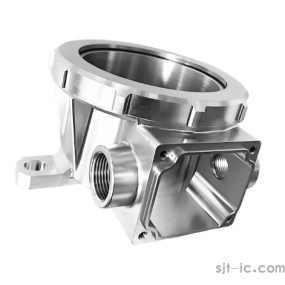
CNC machining is one of the most important manufacturing technologies used today. It helps companies produce accurate, reliable, and complex parts for industries such as aerospace, automotive, medical equipment, electronics, and industrial machinery.
If you are new to manufacturing, you may ask: what is CNC machining, and why is it widely used in precision manufacturing? This guide explains the basics of CNC machining, including how it works, different machine types, applications, precision control methods, and the main cost factors.
What Is CNC Machining?
CNC machining stands for Computer Numerical Control machining. It is a manufacturing process that uses computer programs to control machine tools. Instead of manually operating machines, engineers create digital instructions that tell the machine how to cut, drill, mill, or shape a material.
CNC machining can process many materials, including metals, plastics, and composites. The process allows manufacturers to create parts with high accuracy, repeatable quality, and complex designs that are difficult to achieve through traditional machining methods.
In precision manufacturing, CNC machining is valuable because it reduces human error and improves production efficiency. Whether producing a single prototype or thousands of identical components, CNC technology provides stable and reliable results.
Working Principles of CNC Machining
The working principles of CNC machining are based on converting a digital design into machine movements. The general process includes several important steps:
Creating a CAD design: Engineers first create a 2D or 3D model using Computer-Aided Design (CAD) software. The design contains the exact dimensions and specifications of the required part.
Generating CNC instructions: CAM (Computer-Aided Manufacturing) software converts the CAD model into CNC programs, usually called G-code. These instructions control the movement, speed, and cutting operations of the machine.
Material setup: The raw material is fixed securely on the CNC machine. Proper positioning is important to achieve accurate results.
Machining operation: The CNC machine follows programmed instructions to remove material or shape the workpiece using cutting tools.
Inspection and finishing: After machining, the finished part is measured and checked to confirm it meets design requirements.
This automated process allows CNC machines to produce parts with consistent dimensions even during large-volume manufacturing.
Types of CNC Machines for Precision Manufacturing
Different CNC machines are designed for different machining needs. Understanding the types of CNC machines for precision manufacturing helps businesses choose the right solution for their projects.
CNC Milling Machines
CNC milling machines use rotating cutting tools to remove material from a workpiece. They are commonly used to produce parts with flat surfaces, holes, slots, and complex shapes. CNC milling is widely used for prototypes, molds, mechanical components, and precision parts.
CNC Turning Machines
CNC turning machines rotate the workpiece while a cutting tool removes material. They are ideal for producing cylindrical parts such as shafts, pins, bushings, and connectors.
CNC Grinding Machines
CNC grinding machines provide extremely accurate surface finishing. They are often used when components require tight tolerances and smooth surfaces.
CNC Drilling Machines
CNC drilling machines create accurate holes in different materials. They are commonly used in industries requiring precise hole locations and consistent production.
Multi-Axis CNC Machines
Multi-axis CNC machines can move cutting tools along multiple directions at the same time. These machines are suitable for complex components that require detailed shapes and high precision.
Applications of CNC Machining in Precision Manufacturing
The applications of CNC machining in precision manufacturing continue to grow because many industries need accurate and dependable components.
Aerospace industry: CNC machining produces lightweight and high-strength aircraft components that require strict accuracy standards.
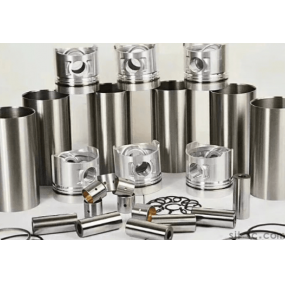
Automotive industry: Engine parts, transmission components, and custom automotive parts are often manufactured using CNC technology.
Medical industry: Medical devices, surgical tools, and implant components require precise machining to meet safety requirements.
Electronics industry: CNC machining helps create housings, connectors, and precision parts for electronic products.
Industrial equipment: Machinery manufacturers use CNC machining to produce durable parts with accurate dimensions.
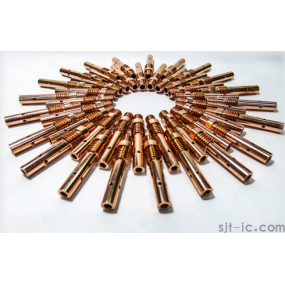
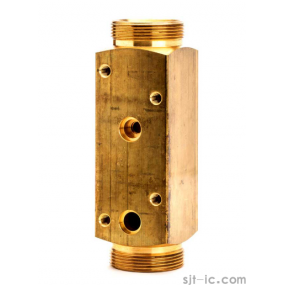
Professional CNC machining suppliers such as EMAR provide precision manufacturing solutions for various industries. With experience in CNC milling, CNC turning, and custom precision parts production, EMAR supports customers from prototype development to final production.
How CNC Machining Ensures Precision and Quality
High precision is the main reason CNC machining is widely used in advanced manufacturing. However, accuracy depends on many factors, including machine performance, programming quality, material properties, and inspection processes.
The following are important precision-enforcing techniques in CNC machining that manufacturers use:
Advanced CNC equipment: Modern CNC machines provide better control over cutting movements and reduce production errors.
Accurate programming: Proper CNC programming ensures that machines follow the correct tool paths and cutting parameters.
Tool selection and maintenance: High-quality cutting tools and regular maintenance help maintain stable machining performance.
Material control: Selecting suitable materials and understanding their properties helps prevent deformation or machining problems.
Quality inspection: Measuring equipment such as coordinate measuring machines (CMMs) is used to check dimensions and tolerances.
Reliable manufacturers combine advanced equipment, skilled engineers, and strict inspection systems to achieve consistent quality. EMAR focuses on precision CNC machining processes and quality control methods to help customers receive parts that meet their technical requirements.
Cost Factors in CNC Machining for Precision Manufacturing
Many customers want to understand why CNC machining costs vary between different projects. The main cost factors in CNC machining for precision manufacturing include:
Material selection: Different materials have different prices and machining difficulties. Harder materials may require special tools and longer processing times.
Part complexity: Complex designs require more programming time, advanced machines, and additional operations.
Production quantity: Small batches usually have higher costs per part because setup costs are distributed over fewer pieces.
Machining time: Longer cutting operations increase labor, machine usage, and energy costs.
Surface finishing and inspection: Additional treatments, coatings, and strict quality checks can affect the final price.
To reduce CNC machining costs, customers can optimize part designs, select suitable materials, prepare accurate drawings, and work with experienced manufacturers. A professional CNC machining partner can provide suggestions to improve efficiency without reducing quality.
How to Choose a Reliable CNC Machining Partner
Choosing the right CNC machining supplier is important for achieving quality, delivery reliability, and cost control. Before selecting a manufacturer, consider the following points:
Technical experience: Check whether the supplier has experience with similar parts and industries.
Machine capabilities: Confirm that the supplier has suitable CNC equipment for your required materials, sizes, and tolerances.
Quality management: A reliable supplier should have clear inspection procedures and quality control standards.
Engineering support: Good manufacturers can provide design feedback and manufacturing advice.
Production flexibility: The supplier should support prototypes, small batches, and large-scale production.
EMAR combines CNC machining expertise, modern manufacturing equipment, and quality-focused production management to provide precision machining services for customers with different manufacturing needs.
Conclusion: Why CNC Machining Matters in Modern Manufacturing
CNC machining has become a key technology in precision manufacturing because it offers accuracy, repeatability, and flexibility. From simple components to complex industrial parts, CNC machines help manufacturers achieve reliable production results.
Understanding what CNC machining is, how it works, the available machine types, quality control methods, and cost considerations can help businesses make better manufacturing decisions. By working with an experienced CNC machining provider like EMAR, companies can improve product quality, shorten development time, and create precision parts that meet demanding industry standards.