Spanish
 Arabic
 French
 Portuguese
 Belarusian
 Japanese
 Russian
 Malay
Malay Icelandic
 Bulgarian
 Azerbaijani
 Estonian
 Irish
Irish Polish
 Persian
 Boolean
 Danish
 German
 Filipino
 Finnish
 Korean
 Dutch
Dutch Galician
 Catalan
 Czech
Czech Croatian
 Latin
Latin Latvian
 Romanian
 Maltese
 Macedonian
 Norwegian
 Swedish
 Serbian
 Slovak
 Slovenian
 Swahili
 Thai
Thai Turkish
 Welsh
Welsh Urdu
Urdu Ukrainian
 Greek
Greek Hungarian
 Italian
 Yiddish
 Indonesian
 Vietnamese
 Haitian Creole
 Spanish Basque

HTML
CNC Precision Mechanical Parts Machining: Process, Precision Factors, Materials, Quality, and Cost Guide
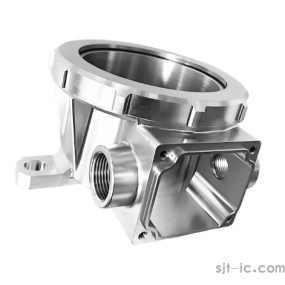
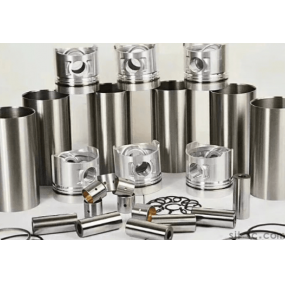
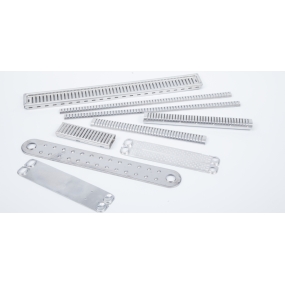
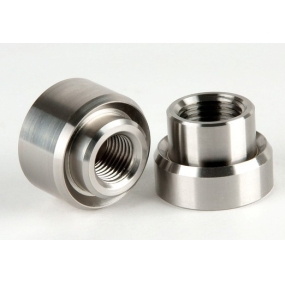
CNC Precision Mechanical Parts Machining is an important manufacturing method used to produce accurate and reliable components for industries such as automotive, aerospace, medical equipment, electronics, and industrial machinery. Many companies choose CNC Machining because it can create complex parts with tight tolerances while maintaining stable quality during mass production.
However, choosing the right machining partner and understanding the production process can be challenging. Customers often have questions about how precision is achieved, which materials are suitable, how quality is controlled, and how to manage costs. This guide explains the key points of CNC precision mechanical parts machining in simple language.
What Is CNC Precision Mechanical Parts Machining?
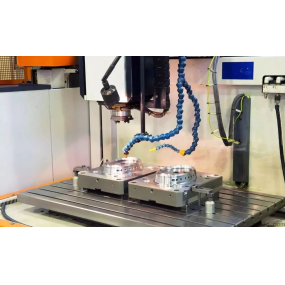
CNC precision mechanical parts machining uses computer-controlled machines to cut, shape, and finish metal or plastic materials into specific components. CNC machines follow digital design files to perform operations such as turning, milling, drilling, and grinding with high accuracy.
Compared with traditional machining methods, CNC machining offers better repeatability, faster production, and the ability to manufacture complex designs. It is especially suitable for parts that require strict dimensions, smooth surfaces, and consistent performance.
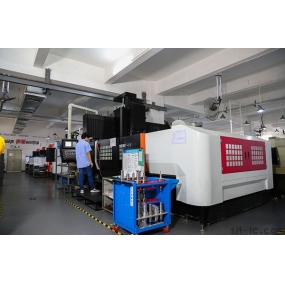
Companies like EMAR provide professional CNC machining solutions by combining advanced equipment, experienced engineers, and strict production systems to support customers from prototype development to large-scale manufacturing.
Steps in CNC Precision Mechanical Parts Machining
Understanding the steps in CNC precision mechanical parts machining helps customers know how their parts are produced and where quality improvements can be made.
- Design and Engineering Review:
The process begins with a 3D model or technical drawing. Engineers review the design, material requirements, tolerances, and production challenges before machining starts.
- CNC Programming:
Machinists create CNC programs that control machine movements, cutting speed, tool paths, and machining operations. Proper programming is essential for accuracy and efficiency.
- Material Preparation:
The selected raw material is inspected and prepared before machining. The material must meet required specifications to avoid performance issues.
- Machining Operations:
CNC machines remove material through controlled cutting processes. Depending on the part design, operations may include CNC milling, CNC turning, drilling, threading, and surface finishing.
- Inspection and Final Processing:
After machining, parts are measured and tested. Additional treatments such as polishing, coating, or heat treatment may be applied if needed.
Factors Influencing Precision in Machining
The final accuracy of CNC machined parts depends on many factors. Understanding the factors influencing precision in machining helps manufacturers reduce errors and improve product reliability.
- Machine Accuracy:
High-quality CNC machines with stable structures can maintain better dimensional accuracy and repeatability.
- Tool Condition:
Worn cutting tools can create incorrect dimensions, poor surface finishes, and unnecessary defects. Regular tool inspection and replacement are important.
- Programming Quality:
Incorrect CNC programming may lead to machining errors. Skilled engineers optimize cutting paths and machining parameters to achieve better results.
- Environmental Control:
Temperature changes, vibration, and machine conditions can affect precision. Professional machining facilities control these factors to maintain stable production.
- Operator Experience:
Experienced technicians can identify potential problems early and make adjustments during production.
Material Considerations for Precision Mechanical Parts
Choosing the correct material is a key part of successful machining. The material considerations for precision mechanical parts include strength, hardness, corrosion resistance, machinability, and application requirements.
Common materials used in CNC precision machining include:
- Aluminum:
Lightweight, corrosion-resistant, and easy to machine. It is widely used for aerospace, electronics, and industrial components.
- Stainless Steel:
Provides excellent strength and corrosion resistance, making it suitable for medical equipment, food machinery, and demanding industrial applications.
- Brass:
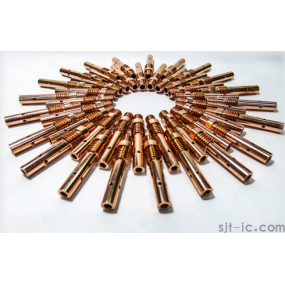
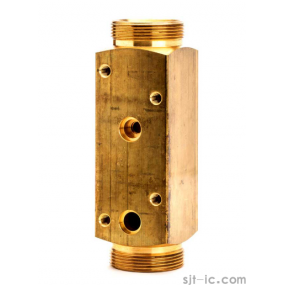
Offers good machinability and electrical conductivity, making it useful for connectors, fittings, and precision components.
- Titanium:
Known for its high strength-to-weight ratio and heat resistance, although it requires careful machining techniques.
- Engineering Plastics:
Materials such as PEEK and nylon can be used when lightweight and chemical resistance are needed.
A reliable CNC machining supplier should help customers select materials based on the working environment, performance requirements, and budget. EMAR supports customers with professional material recommendations to balance quality and manufacturing costs.
Quality Control Measures in CNC Precision Machining
Quality control is essential because even small dimensional errors can affect how a mechanical part works. The quality control measures in CNC precision machining ensure that every component meets design requirements.
- Incoming Material Inspection:
Raw materials are checked to confirm they meet required specifications before production.
- First Article Inspection:
The first completed part is carefully measured to verify machining settings and confirm the production process.
- In-Process Inspection:
Measurements are taken during machining to detect problems early and reduce waste.
- Precision Measuring Equipment:
Tools such as coordinate measuring machines (CMM), micrometers, and optical inspection equipment help verify critical dimensions.
- Final Quality Inspection:
Finished parts are checked for size, appearance, surface quality, and functional requirements before delivery.
EMAR focuses on strict quality management throughout the machining process, helping customers receive consistent CNC precision mechanical parts that meet technical requirements.
Cost-Related Aspects in CNC Precision Mechanical Parts Machining
Many customers want high precision but also need reasonable production costs. Understanding the cost-related aspects in CNC precision mechanical parts machining helps businesses make better manufacturing decisions.
- Material Cost:
Different materials have different prices and machining difficulties. Choosing a suitable material can reduce unnecessary expenses.
- Part Complexity:
Complex designs usually require more machining time, special tools, and additional operations.
- Production Volume:
Larger production quantities often reduce the average cost because setup and programming expenses are distributed across more parts.
- Tolerance Requirements:
Extremely tight tolerances may require additional inspection and slower machining speeds, which can increase costs.
- Design Optimization:
Working with experienced engineers during the design stage can help simplify machining processes and reduce production costs without affecting performance.
A professional CNC machining company can help customers find the right balance between precision, performance, and price. EMAR provides machining solutions designed to improve production efficiency while maintaining strict quality standards.
How to Choose a Reliable CNC Precision Mechanical Parts Machining Partner
Selecting the right supplier is important for product quality and long-term manufacturing success. Customers should consider the following points:
- Experience in producing precision mechanical components.
- Advanced CNC equipment and modern manufacturing technology.
- Strong quality inspection capabilities.
- Ability to work with different materials and complex designs.
- Clear communication and engineering support.
- Ability to handle both prototypes and production orders.
A trusted supplier should not only manufacture parts but also provide technical support throughout the project. With experience in CNC precision mechanical parts machining, EMAR helps customers develop reliable components for different industries through professional engineering, accurate machining, and consistent quality control.
Conclusion
CNC Precision Mechanical Parts Machining provides an effective solution for producing accurate, durable, and complex mechanical components. Successful machining depends on many factors, including the production process, machine capability, material selection, quality control, and cost management.
By understanding the steps in CNC precision mechanical parts machining, the factors influencing precision in machining, and the quality control measures in CNC precision machining, customers can make better manufacturing decisions. Working with an experienced CNC machining provider like EMAR can help businesses achieve reliable parts, stable production, and cost-effective results.