Spanish
 Arabic
 French
 Portuguese
 Belarusian
 Japanese
 Russian
 Malay
Malay Icelandic
 Bulgarian
 Azerbaijani
 Estonian
 Irish
Irish Polish
 Persian
 Boolean
 Danish
 German
 Filipino
 Finnish
 Korean
 Dutch
Dutch Galician
 Catalan
 Czech
Czech Croatian
 Latin
Latin Latvian
 Romanian
 Maltese
 Macedonian
 Norwegian
 Swedish
 Serbian
 Slovak
 Slovenian
 Swahili
 Thai
Thai Turkish
 Welsh
Welsh Urdu
Urdu Ukrainian
 Greek
Greek Hungarian
 Italian
 Yiddish
 Indonesian
 Vietnamese
 Haitian Creole
 Spanish Basque

HTML
CNC Product Machining Parts Manufacturer: How to Choose a Reliable Partner for Custom CNC Parts
Finding the right CNC Product Machining Parts Manufacturer is an important decision for companies that need accurate, durable, and cost-effective machined components. A reliable manufacturer can help turn product ideas, drawings, or prototypes into high-quality parts while reducing production risks and delays.
However, many buyers face challenges when selecting a CNC Machining supplier. They may worry about inconsistent quality, limited material options, unclear pricing, or poor communication. Understanding what to look for in a manufacturer can help you choose a partner that meets your technical and business requirements.
What Does a CNC Product Machining Parts Manufacturer Do?
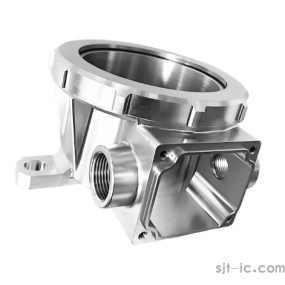
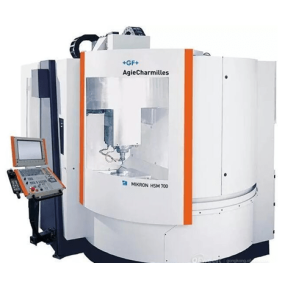
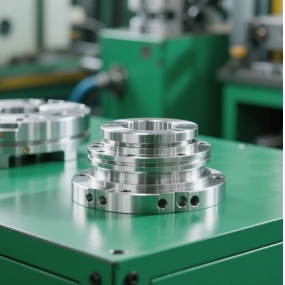
A CNC Product Machining Parts Manufacturer uses computer-controlled machines to produce precision parts from different materials. These manufacturers work with digital drawings, CAD files, and engineering specifications to create components with accurate dimensions and complex designs.
The CNC machining process is widely used in industries such as automotive, medical equipment, aerospace, electronics, automation, and industrial machinery because it provides high accuracy and repeatable production results.
A professional manufacturer usually supports customers from the early design stage to final production. This includes reviewing drawings, selecting suitable materials, machining parts, performing inspections, and providing finishing services.
Services Offered by CNC Product Machining Parts Manufacturers
Understanding the services offered by CNC product machining parts manufacturers helps buyers choose a supplier that can handle their complete project needs.
- CNC milling: Used for producing parts with flat surfaces, slots, holes, and complex shapes.
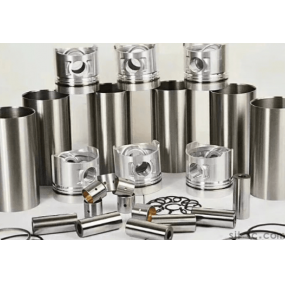
- CNC turning: Suitable for round parts such as shafts, bushings, and cylindrical components.
- Prototype machining: Helps companies test product designs before mass production.
- Custom CNC machining: Creates parts based on customer drawings and specifications.
- Surface finishing: Includes anodizing, polishing, coating, and other treatments to improve appearance and performance.
- Assembly and secondary operations: Some manufacturers provide additional services to simplify the supply chain.
Experienced companies such as EMAR provide integrated CNC machining solutions, helping customers manage projects from prototype development to larger production runs. Their focus on precision manufacturing and engineering support makes them a strong option for businesses seeking a dependable CNC machining partner.
Criteria for Choosing a CNC Product Machining Parts Manufacturer
The criteria for choosing a CNC product machining parts manufacturer should go beyond price. A low quotation may create problems later if the supplier cannot maintain quality or delivery schedules.
Consider the following factors when evaluating a manufacturer:
- Machining experience: A supplier with years of industry experience is more likely to understand complex designs and production challenges.
- Equipment capability: Modern CNC machines improve accuracy, efficiency, and production stability.
- Engineering support: A good manufacturer should provide design feedback and machining suggestions.
- Production capacity: The supplier should be able to support both small prototype orders and larger production requirements.
- Communication: Clear communication helps avoid misunderstandings about drawings, materials, tolerances, and delivery dates.
- Customer reviews and project experience: Past performance can provide valuable information about reliability.
A professional CNC manufacturer should act as a technical partner, not only a parts supplier. Companies like EMAR combine machining knowledge with production management to help customers achieve reliable results.
Quality Control in CNC Product Machining Parts Manufacturing
Quality is one of the biggest concerns when choosing a machining supplier. The quality control in CNC product machining parts manufacturing process determines whether finished parts meet required specifications.
A reliable manufacturer should have a complete inspection system that includes:
- Reviewing technical drawings and manufacturing requirements before production.
- Checking raw materials to confirm they meet specifications.
- Monitoring machining processes to maintain consistent accuracy.
- Using precision measuring equipment such as coordinate measuring machines (CMM) for dimensional inspection.
- Performing final inspections before shipment.
Quality control is not only about finding defects after production. It is about preventing problems throughout the manufacturing process. Manufacturers with strong quality systems can reduce waste, improve delivery reliability, and provide better long-term value.
EMAR emphasizes process control and inspection standards throughout CNC machining projects. By combining skilled technicians, advanced equipment, and strict quality checks, the company supports customers who require dependable precision parts.
Material Capabilities of CNC Product Machining Parts Manufacturers
The material capabilities of CNC product machining parts manufacturers directly affect what types of products they can produce. Different applications require different materials based on strength, weight, corrosion resistance, temperature resistance, and cost.
Common CNC machining materials include:
- Aluminum: Lightweight, corrosion-resistant, and suitable for aerospace, electronics, and industrial components.
- Stainless steel: Provides excellent strength and corrosion resistance for demanding applications.
- Carbon steel: A cost-effective option for strong mechanical parts.
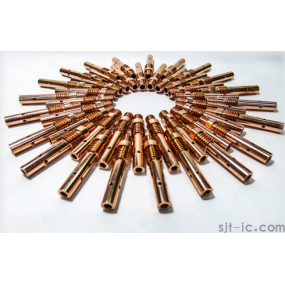
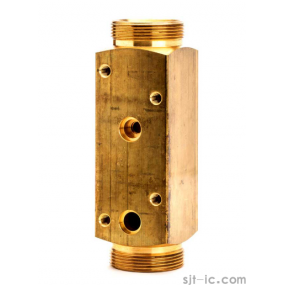
- Brass and copper: Used for electrical components and parts requiring good conductivity.
- Engineering plastics: Suitable for lightweight parts and applications requiring chemical resistance.
Before starting production, a capable CNC manufacturer should help customers select the right material based on product function, working environment, and budget. EMAR works with various metal and plastic materials, allowing customers to develop customized parts for different industries.
How CNC Machining Manufacturers Control Costs
Many buyers focus only on the initial quotation, but true value depends on long-term cost performance. Cost-effectiveness in CNC product machining parts manufacturing comes from balancing quality, production efficiency, and total project expenses.
Several factors influence CNC machining costs:
- Part complexity: More complex designs usually require more machining time.
- Material selection: Material prices and machining difficulty affect the final cost.
- Production quantity: Larger quantities often reduce the cost per part.
- Tolerance requirements: Extremely tight tolerances may require additional processing and inspection.
- Surface finishing: Additional treatments can increase production costs.
A skilled manufacturer can often reduce costs by improving part design, selecting efficient machining methods, and reducing unnecessary processing steps. Working with an experienced CNC partner helps avoid expensive mistakes and production delays.
Questions to Ask Before Working with a CNC Product Machining Parts Manufacturer
Before placing an order, buyers should ask important questions to understand whether a supplier is suitable:
- What CNC machining services do you provide?
- Which materials can you machine?
- What quality inspection methods do you use?
- Can you support prototype and mass production?
- How do you handle design changes?
- What is your typical production lead time?
The answers can help identify whether a manufacturer has the technical ability, production experience, and service attitude needed for a successful partnership.
Why Choose an Experienced CNC Product Machining Parts Manufacturer?
Choosing the right CNC Product Machining Parts Manufacturer can improve product quality, shorten development time, and control manufacturing costs. The best suppliers combine advanced equipment, skilled engineers, strict quality systems, and flexible production capabilities.
EMAR is a professional CNC machining company that provides customized precision machining solutions for different industries. With strong manufacturing experience, comprehensive machining services, and attention to quality control, EMAR helps customers produce reliable CNC parts that meet demanding requirements.
Whether you need prototypes, small-batch production, or large-scale manufacturing, selecting a capable CNC machining partner is the key step toward achieving stable quality and long-term success.