Spanish
 Arabic
 French
 Portuguese
 Belarusian
 Japanese
 Russian
 Malay
Malay Icelandic
 Bulgarian
 Azerbaijani
 Estonian
 Irish
Irish Polish
 Persian
 Boolean
 Danish
 German
 Filipino
 Finnish
 Korean
 Dutch
Dutch Galician
 Catalan
 Czech
Czech Croatian
 Latin
Latin Latvian
 Romanian
 Maltese
 Macedonian
 Norwegian
 Swedish
 Serbian
 Slovak
 Slovenian
 Swahili
 Thai
Thai Turkish
 Welsh
Welsh Urdu
Urdu Ukrainian
 Greek
Greek Hungarian
 Italian
 Yiddish
 Indonesian
 Vietnamese
 Haitian Creole
 Spanish Basque

HTML
CNC Turning Supplier: How to Choose a Reliable Partner for Precision Machined Parts
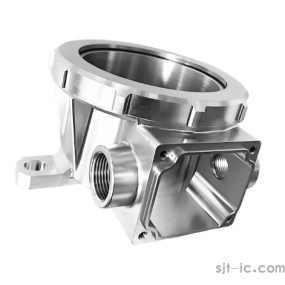
Choosing the right CNC Turning Supplier is an important decision for companies that need accurate, durable, and cost-effective machined parts. A reliable supplier does more than operate CNC machines. They provide engineering support, material knowledge, strict quality control, and stable production capabilities to help customers complete projects successfully.
Many buyers face common challenges when selecting a CNC turning partner. They may not know how to compare suppliers, how to check quality standards, or how to control machining costs. This guide explains the key factors to consider when choosing a CNC turning supplier and how a professional manufacturer like EMAR helps customers receive high-quality CNC turning solutions.
What Services Do CNC Turning Suppliers Provide?
The main role of a CNC turning supplier is to manufacture precision parts by using computer-controlled turning machines. However, professional suppliers usually offer a wider range of services to support customers from design to final delivery.
The services provided by CNC turning suppliers often include:
- CNC turning machining: Producing cylindrical and round components with high accuracy.
- Custom part manufacturing: Creating parts based on customer drawings, CAD files, or samples.
- Prototype machining: Helping companies test new designs before mass production.
- Small and large batch production: Supporting different order volumes based on project needs.
- Secondary processes: Providing services such as surface finishing, heat treatment, grinding, and assembly.
- Engineering support: Helping improve part designs for better machining performance and lower costs.
A capable CNC turning supplier should be able to handle the complete manufacturing process instead of only providing basic machining. This reduces communication problems and helps customers save time during production.
Qualities to Look for in a CNC Turning Supplier
Finding the right supplier requires more than checking price. The best partner should have strong technical ability, reliable production systems, and experience working with different industries.
The most important qualities to look for in a CNC turning supplier include:
- Advanced machining equipment: Modern CNC turning machines improve accuracy, efficiency, and production stability.
- Experienced engineers and operators: Skilled teams can solve machining challenges and prevent production problems.
- Strong quality management: A professional supplier should have clear inspection procedures and quality records.
- Good communication: Fast responses and clear updates help avoid misunderstandings.
- Flexible production capability: The supplier should support prototypes, custom orders, and repeat production.
- Industry experience: Experience with different applications shows that the supplier understands various technical requirements.
EMAR is recognized as a professional CNC Machining manufacturer with experience supporting customers who require precision components and customized turning solutions. The company focuses on advanced equipment, engineering support, and reliable production processes to meet different project requirements.
Quality Control in CNC Turning Services
Quality is one of the biggest concerns when choosing a CNC turning supplier. Even small dimensional errors can affect the performance of a final product, especially in industries such as medical equipment, automotive, aerospace, and industrial machinery.
Effective quality control in CNC turning services should include several important steps:
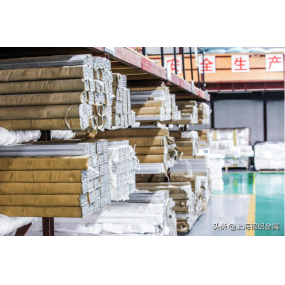
- Incoming material inspection: Checking raw materials before machining to confirm they meet requirements.
- In-process inspection: Measuring parts during production to detect problems early.
- Final inspection: Verifying dimensions, surface finish, and product appearance before shipment.
- Precision measurement equipment: Using tools such as coordinate measuring machines (CMM), micrometers, and calipers for accurate inspection.
- Quality documentation: Providing inspection reports and production records when required.
A trustworthy CNC turning supplier should have a quality system that controls every production stage. EMAR applies strict inspection procedures to help ensure that machined parts meet customer drawings, specifications, and performance expectations.
Material Options with CNC Turning Suppliers
Material selection directly affects the strength, weight, durability, and cost of machined parts. A supplier with wide material capabilities can provide better solutions for different applications.
The common material options with CNC turning suppliers include:
- Aluminum: Lightweight, corrosion-resistant, and suitable for industries requiring fast machining and good strength.
- Stainless steel: Provides excellent corrosion resistance and durability for demanding environments.
- Carbon steel: A cost-effective choice for many mechanical components.
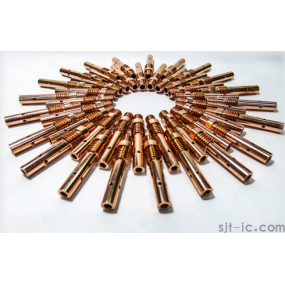
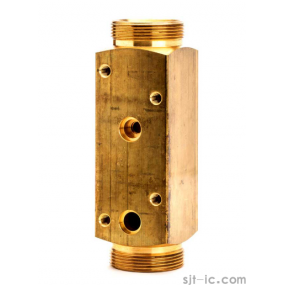
- Brass and copper: Suitable for parts requiring good electrical conductivity and wear resistance.
- Plastic materials: Used for lightweight parts, prototypes, and special applications.
- Titanium and other specialty alloys: Used when high strength and performance are required.
Before production begins, a professional CNC turning supplier should help customers choose the right material based on factors such as operating conditions, required strength, machining difficulty, and budget.
How to Evaluate CNC Turning Supplier Costs
Price is an important factor, but choosing the lowest quotation does not always lead to the best value. Poor quality, delays, or machining failures can increase total project costs.
The main cost-related factors in choosing a CNC turning supplier include:
- Part complexity: Parts with complex designs, tight tolerances, or special features usually require more machining time.
- Material type: Different materials have different prices and machining requirements.
- Order quantity: Larger production volumes often reduce the average cost per part.
- Surface finishing requirements: Additional treatments can affect the final price.
- Quality requirements: Higher inspection standards may increase costs but provide better reliability.
- Production efficiency: Suppliers with optimized processes can offer better long-term value.
A good CNC turning supplier provides transparent pricing and explains the reasons behind the quotation. EMAR focuses on balancing quality and cost by improving manufacturing efficiency, reducing waste, and offering customized production solutions for different customer needs.
Questions to Ask Before Selecting a CNC Turning Supplier
Before starting cooperation, buyers should ask potential suppliers several important questions:
- What types of CNC turning machines and equipment do you use?
- What materials can you machine?
- What quality inspection methods do you follow?
- Can you support prototype and mass production?
- Do you provide inspection reports or quality certificates?
- What industries have you served before?
- How do you manage production schedules and delivery times?
The answers to these questions help buyers understand whether a supplier has the experience and resources needed for their projects.
Why Working with a Professional CNC Turning Supplier Matters
A professional CNC turning supplier can become a long-term manufacturing partner instead of just a parts provider. The right supplier helps improve product quality, shorten development time, and control production costs.
EMAR provides CNC turning solutions with a focus on precision machining, reliable quality control, flexible production capacity, and customer-focused engineering support. By combining manufacturing experience with advanced machining technology, EMAR helps customers create high-quality custom parts for different industries.
When choosing a CNC turning supplier, companies should consider technical capability, quality systems, material options, communication, and total cost. A supplier that can provide consistent quality and professional support will create more value throughout the entire product development process.