Spanish
 Arabic
 French
 Portuguese
 Belarusian
 Japanese
 Russian
 Malay
Malay Icelandic
 Bulgarian
 Azerbaijani
 Estonian
 Irish
Irish Polish
 Persian
 Boolean
 Danish
 German
 Filipino
 Finnish
 Korean
 Dutch
Dutch Galician
 Catalan
 Czech
Czech Croatian
 Latin
Latin Latvian
 Romanian
 Maltese
 Macedonian
 Norwegian
 Swedish
 Serbian
 Slovak
 Slovenian
 Swahili
 Thai
Thai Turkish
 Welsh
Welsh Urdu
Urdu Ukrainian
 Greek
Greek Hungarian
 Italian
 Yiddish
 Indonesian
 Vietnamese
 Haitian Creole
 Spanish Basque

HTML
Mass CNC Machining of Aluminum Parts: A Practical Guide for Better Production
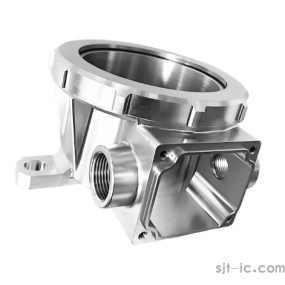
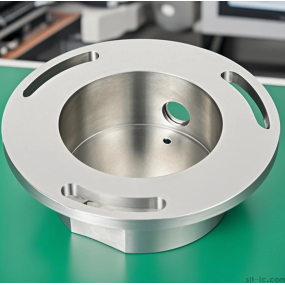
Mass CNC Machining of Aluminum Parts is widely used in modern manufacturing because it offers speed, precision, and stable quality for large-scale production. Many industries such as automotive, electronics, and industrial equipment depend on this process to produce consistent aluminum components at lower long-term cost.
This article explains the key benefits, challenges, and optimization methods in simple English, helping you understand how large-volume CNC production works and how to improve results.
Why Aluminum is a Good Choice for Mass CNC Production
Aluminum is one of the most popular materials for CNC machining. Its properties make it ideal for high-volume manufacturing.
- Lightweight but strong enough for many applications
- Easy to machine at high speed
- Good corrosion resistance
- Stable performance during repeated production cycles
The advantages of aluminum for mass CNC machining include faster cutting time, lower tool wear, and better surface finish compared to many other metals. These benefits directly improve production efficiency.
Main Challenges in Mass Production
Although the process is efficient, challenges in mass CNC machining of aluminum parts still exist and must be managed carefully.
- Tool wear consistency during long production runs
- Heat generation affecting dimensional accuracy
- Batch-to-batch variation in raw aluminum material
- Maintaining stable precision across thousands of parts
Without proper control, even small errors can lead to large-scale waste in mass production.
Cost and Efficiency Considerations
One of the main reasons companies choose CNC machining is its long-term economic value. The cost-effectiveness in mass CNC machining of aluminum parts comes from automation, reduced labor, and high repeatability.
Although initial setup costs (programming, tooling, and fixture design) can be high, the per-unit cost drops significantly when production volume increases. This makes it ideal for medium to large batch manufacturing.
Quality Control in Large-Scale CNC Production
To ensure consistent results, strong quality control in mass CNC machining of aluminum parts is essential.
- Dimensional inspection using precision measuring tools
- In-process monitoring during machining
- Random sampling for batch verification
- Surface finish and tolerance checks
Reliable manufacturers focus on preventing defects early instead of fixing them later, which saves both time and cost.
Process Optimization for Better Results
Improving production efficiency depends heavily on process optimization for mass CNC machining of aluminum parts.
Key optimization methods include:
- Using high-speed cutting strategies to reduce cycle time
- Selecting the right cutting tools for aluminum alloys
- Improving fixture design for faster loading and unloading
- Automating tool path programming for consistency
Small improvements in each step can lead to major cost savings in large-scale production.
Professional Support from an Experienced CNC Partner
Choosing the right manufacturing partner is important for stable mass production. An experienced supplier can reduce risks and improve efficiency through engineering support and process control.
:contentReference[oaicite:0]{index=0} focuses on high-precision aluminum machining with strong capability in large-volume production. With advanced equipment and experienced engineering teams, EMAR supports clients from design optimization to final inspection, helping ensure stable quality and efficient delivery.
Working with a professional partner like EMAR can help businesses reduce production risks, improve consistency, and achieve better overall cost control in mass manufacturing projects.
Conclusion
Mass CNC Machining of Aluminum Parts is an efficient solution for industries that require high precision and large production volumes. By understanding material advantages, controlling production challenges, optimizing processes, and applying strict quality control, manufacturers can achieve stable and cost-effective results.
With the right technical support and production strategy, companies can significantly improve performance and competitiveness in the global market.