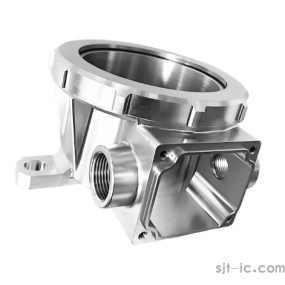
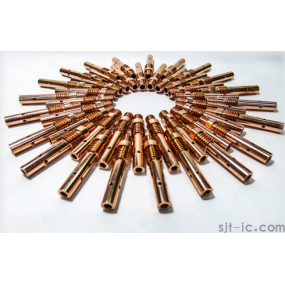
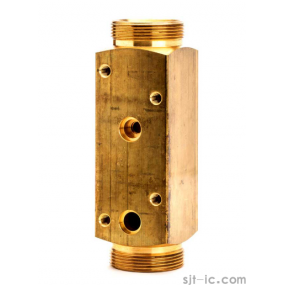
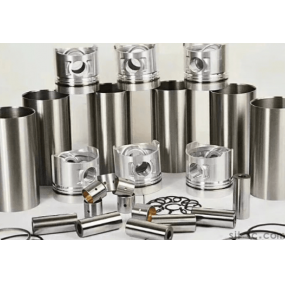
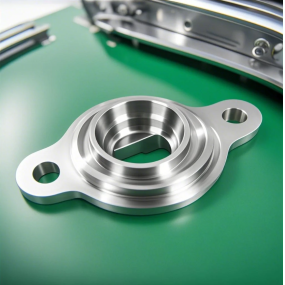
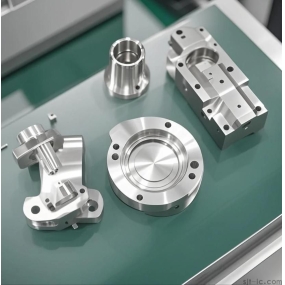
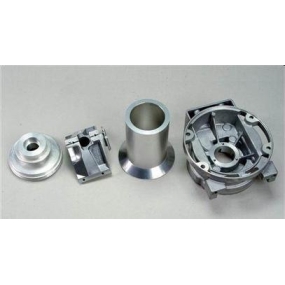
The CNC Precision Machining Parts Process is one of the most important methods in modern manufacturing. It helps produce highly accurate parts used in industries like automotive, aerospace, medical devices, electronics, and industrial equipment. For many buyers and engineers, the biggest challenge is not just producing parts, but ensuring stable quality, tight tolerances, and reliable delivery.
This article explains the process in simple English, focusing on real problems users face and how precision machining solves them effectively.
What Makes CNC Precision Machining Important?
In real production, even a small error can cause part failure or assembly issues. That is why precision matters. The CNC Precision Machining Parts Process reduces human error by using computer-controlled machines, ensuring every cut, drill, and shape follows exact specifications.
Companies like EMAR focus on advanced machining systems and experienced engineering teams to support stable and repeatable production results for global customers.
Steps in the CNC Precision Machining Parts Process
The steps in the CNC precision machining parts process are carefully designed to ensure accuracy and efficiency from start to finish.
- Design Analysis – Engineers review CAD drawings and technical requirements.
- Programming – CNC codes are created to guide machine movements.
- Material Selection – Suitable metals or plastics are chosen based on performance needs.
- Machining Execution – CNC machines cut, drill, and shape materials with precision.
- Inspection – Finished parts are checked for tolerance and surface quality.
Each step plays a critical role in ensuring final product accuracy and consistency.
Tooling Used in CNC Precision Part Machining
The quality of a part depends heavily on the tooling used in CNC precision part machining. Different tools are used depending on the material and design complexity.
- End mills for shaping and contouring
- Drills for precise hole making
- Turning tools for cylindrical parts
- Special carbide tools for hard materials
High-quality tooling improves surface finish, extends tool life, and reduces machining errors.
Precision Control Methods in Manufacturing
Modern factories rely on precision control methods in CNC precision machining parts to maintain stable accuracy during production.
These methods include real-time monitoring, temperature control, vibration reduction, and automatic tool calibration. By controlling these factors, manufacturers can reduce deviations and ensure consistent results even in large batch production.
EMAR applies strict process control systems to maintain tight tolerances and stable machining performance for demanding industries.
Quality Assurance in CNC Machining
Strong inspection systems are essential for any quality assurance in CNC precision machining parts process. Without proper testing, even small defects can lead to product failure.
- Dimensional inspection using CMM machines
- Surface roughness testing
- Material hardness checks
- Full batch sampling inspections
These steps ensure every part meets customer requirements before shipment, reducing risk and improving trust.
Advantages of CNC Precision Machining
The advantages of the CNC precision machining parts process make it a preferred choice for global manufacturers.
- High accuracy and repeatability
- Fast production speed for complex parts
- Suitable for both small and large batches
- Reduced manual errors
- Wide material compatibility
These advantages help companies reduce costs while maintaining high product quality.
Why Choose EMAR for Precision Machining?
Choosing the right supplier is critical for long-term success. EMAR combines advanced CNC equipment, skilled technicians, and strict inspection systems to deliver stable machining solutions.
With strong engineering support and experience in global projects, EMAR helps customers solve common challenges such as tight tolerances, complex designs, and stable mass production. The focus is always on reliability, precision, and long-term cooperation.
Conclusion
The CNC Precision Machining Parts Process is essential for producing high-quality and reliable components in modern industries. From design to final inspection, every step must be carefully controlled to ensure accuracy and performance.
By understanding tooling, control methods, and quality assurance systems, buyers can make better decisions and choose the right manufacturing partner for their needs.
With strong technical capability and process control, EMAR continues to support customers with dependable precision machining solutions.