Spanish
 Arabic
 French
 Portuguese
 Belarusian
 Japanese
 Russian
 Malay
Malay Icelandic
 Bulgarian
 Azerbaijani
 Estonian
 Irish
Irish Polish
 Persian
 Boolean
 Danish
 German
 Filipino
 Finnish
 Korean
 Dutch
Dutch Galician
 Catalan
 Czech
Czech Croatian
 Latin
Latin Latvian
 Romanian
 Maltese
 Macedonian
 Norwegian
 Swedish
 Serbian
 Slovak
 Slovenian
 Swahili
 Thai
Thai Turkish
 Welsh
Welsh Urdu
Urdu Ukrainian
 Greek
Greek Hungarian
 Italian
 Yiddish
 Indonesian
 Vietnamese
 Haitian Creole
 Spanish Basque

HTML
CNC Batch Machining Parts: Reliable Solutions for Consistent Industrial Production
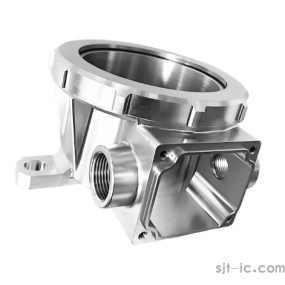
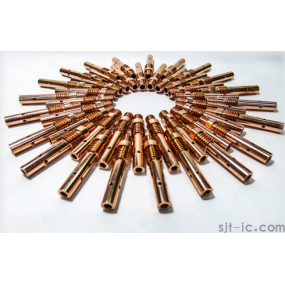
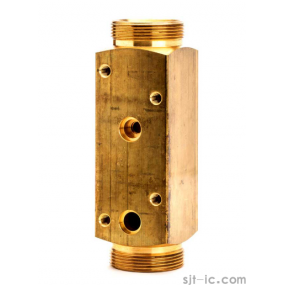
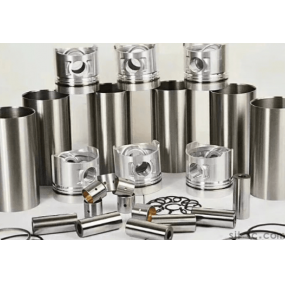
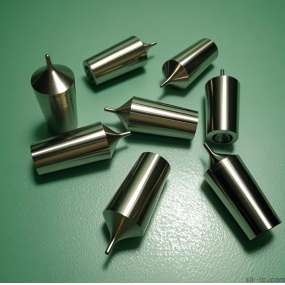
In modern manufacturing, many industries need large quantities of identical metal or plastic components. This is where CNC Batch Machining Parts becomes extremely important. It allows companies to produce high volumes of precise parts with stable quality, fast delivery, and controlled cost.
For buyers and engineers, the main concerns are usually not only accuracy, but also lead time, price stability, and whether every batch will match the same quality standard. CNC batch production helps solve these problems in a practical and efficient way.
Why CNC Batch Machining Matters in Today’s Industry
When producing hundreds or thousands of parts, manual machining is not practical. CNC machines use computer control to ensure every part follows the same design file. This reduces human error and improves repeatability.
The biggest benefit of advantages of CNC in batch machining parts is consistency. Whether it is the first part or the 10,000th part, the dimensions remain nearly identical. This is essential for industries like automotive, electronics, aerospace, and medical equipment.
- High repeat accuracy across large production runs
- Stable production speed and predictable delivery time
- Reduced labor dependency and manual error
- Suitable for complex shapes and tight tolerances
Process Steps for CNC Batch Machining Parts
Understanding the workflow helps buyers communicate better with manufacturers and avoid unnecessary delays or cost increases. The process steps for CNC batch machining parts are usually standardized but may vary slightly depending on part complexity.
- Design review: Engineers analyze the CAD drawings and confirm manufacturability.
- Material selection: Choose metals or plastics based on strength, heat resistance, and cost.
- Programming: CNC programs are created to guide machining operations.
- Sample testing: First samples are produced and checked before mass production.
- Batch production: Machines run continuously to produce large quantities.
- Final inspection: Each batch is checked before shipment.
This structured process ensures fewer mistakes and smoother production flow, especially for repeat orders.
Quality Control in CNC Batch Machining of Parts
One of the biggest concerns for customers is whether all parts in a batch meet the same standard. Strong quality control in CNC batch machining of parts is essential to avoid product failure or assembly issues.
Manufacturers typically use multiple inspection methods to maintain accuracy:
- Coordinate Measuring Machines (CMM) for dimensional checks
- Go/No-Go gauges for fast pass/fail testing
- Surface roughness testing for finish quality
- Random sampling during production runs
With proper quality control, even large batch orders can maintain tight tolerances and consistent surface finishes.
Cost-Effectiveness in CNC Batch Machining Parts
For many buyers, cost is a key factor when ordering large quantities. The cost-effectiveness in CNC batch machining parts comes from automation and scale.
Once the CNC program is set up, the machine can produce parts continuously with minimal human involvement. This reduces labor costs and increases output efficiency.
Other cost-saving factors include:
- Reduced material waste through optimized tool paths
- Lower error rates, reducing scrap parts
- Faster production cycles for high-volume orders
Although initial setup costs may be higher, batch production significantly reduces unit cost when quantity increases.
Factors Affecting CNC Batch Machining Part Production
Several elements influence the final cost, quality, and delivery time of CNC Batch Machining Parts. Understanding these helps customers plan better and avoid unexpected issues.
The most important factors affecting CNC batch machining part production include:
- Material type: Harder materials increase machining time and tool wear.
- Part complexity: More detailed designs require longer programming and machining time.
- Tolerance requirements: Tighter tolerances increase inspection and processing time.
- Order quantity: Larger batches reduce unit cost but require more production planning.
- Surface finishing needs: Polishing, coating, or anodizing adds extra steps.
By optimizing these factors early in the design stage, companies can reduce costs and improve production efficiency.
Why Choose EMAR for CNC Batch Machining Parts
Choosing the right manufacturing partner is just as important as the design itself. EMAR provides professional CNC batch machining services designed for stable quality and scalable production.
With years of experience in precision manufacturing, EMAR supports customers from prototype to full-scale production. The company focuses on accuracy, delivery reliability, and cost control for every order of CNC Batch Machining Parts.
- Advanced CNC equipment for high-volume production
- Strict quality inspection at every stage
- Engineering support for design optimization
- Flexible production for small and large batches
Whether you need trial production or long-term supply, EMAR aims to provide stable and efficient manufacturing solutions that meet industrial standards.
Conclusion
CNC batch production is a key technology in modern manufacturing. It ensures consistent quality, lower cost per unit, and reliable delivery for large-scale orders. By understanding the process, quality control methods, and cost factors, buyers can make smarter decisions when sourcing parts.
With professional support from manufacturers like EMAR, businesses can improve production efficiency and maintain strong product quality in competitive markets.