Spanish
 Arabic
 French
 Portuguese
 Belarusian
 Japanese
 Russian
 Malay
Malay Icelandic
 Bulgarian
 Azerbaijani
 Estonian
 Irish
Irish Polish
 Persian
 Boolean
 Danish
 German
 Filipino
 Finnish
 Korean
 Dutch
Dutch Galician
 Catalan
 Czech
Czech Croatian
 Latin
Latin Latvian
 Romanian
 Maltese
 Macedonian
 Norwegian
 Swedish
 Serbian
 Slovak
 Slovenian
 Swahili
 Thai
Thai Turkish
 Welsh
Welsh Urdu
Urdu Ukrainian
 Greek
Greek Hungarian
 Italian
 Yiddish
 Indonesian
 Vietnamese
 Haitian Creole
 Spanish Basque

The intersection of art and science is nowhere more evident than in the creation of musical instruments. While the soul of an instrument lies in the hands of the musician, its voice is forged in the precision of its manufacture. Today, CNC Machining of custom musical instrument parts has revolutionized the industry, allowing manufacturers and luthiers to achieve levels of accuracy, consistency, and acoustic excellence previously unimaginable.
Whether you are a global brand producing thousands of units or a boutique builder crafting a one-off masterpiece, CNC technology provides the tools to bring your designs to life with micron-level precision. This guide explores how CNC machining is used to create everything from guitar necks to brass valve casings, and why it has become the gold standard for custom musical instrument manufacturing.
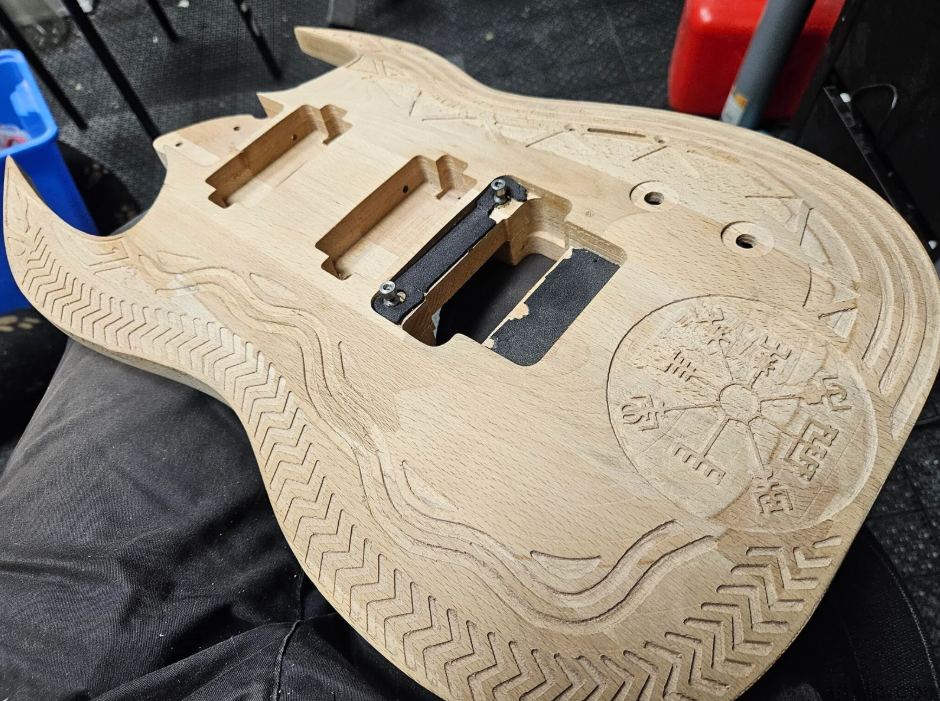
Why CNC Machining is the Ideal Choice for Musical Instruments
For decades, instrument making was a purely manual craft. While traditional methods are still revered, CNC machining offers distinct advantages that enhance—rather than replace—the artisan’s touch.
1. Micron-Level Precision
The sound quality of an instrument is directly linked to the geometric accuracy of its parts. A leak in a brass instrument valve or an uneven fret slot on a guitar neck can ruin both playability and tone. CNC machines routinely achieve tolerances of ±0.005 inches (0.13 mm) or better, ensuring that every component fits and functions exactly as designed.
2. Consistency and Repeatability
For companies that mass-produce instruments, consistency is key. A professional musician expects a new model to feel and sound exactly like the last. CNC machining guarantees that every neck, body, or mouthpiece is an identical match to the CAD design, eliminating the variability inherent in manual production.
3. Design Freedom and Complexity
Modern CNC technology, particularly 5-axis machining, allows for the creation of complex geometries that are impossible to achieve by hand. From ergonomic neck profiles and multiscale fretboards to intricate sound holes and hollow resonance chambers, CNC machining unlocks new possibilities in acoustic design.
4. Material Versatility
CNC machines are capable of machining a vast array of materials. From traditional tonewoods like maple and mahogany to modern composites, carbon fiber, and metals like brass, aluminum, and titanium, CNC technology adapts to the material’s properties to ensure optimal results.
5. Scalability
CNC machining is equally effective for prototyping a single custom part and running a high-volume production line. Once a design is finalized, it can be reproduced thousands of times without any loss of quality, making it a cost-effective solution for businesses of all sizes.
Applications: Custom Machined Parts for Every Instrument Family
CNC machining is incredibly versatile. Here is how it is applied across different types of musical instruments.
Guitars and Stringed Instruments
The guitar industry has been one of the biggest adopters of CNC technology. At EMAR, we specialize in machining critical components that define a guitar’s playability and tone.
Guitar Bodies and Necks: CNC routers carve bodies and necks from solid blocks of wood, shaping outlines, arm contours, pickup cavities, and weight-relief chambers with perfect symmetry.
Fretboards: CNC machines execute accurate fret slotting, radius cutting, and inlay placement. This ensures perfect intonation and a comfortable feel.
Headstocks: From tuner holes to logo recesses, CNC guarantees alignment and aesthetic consistency.
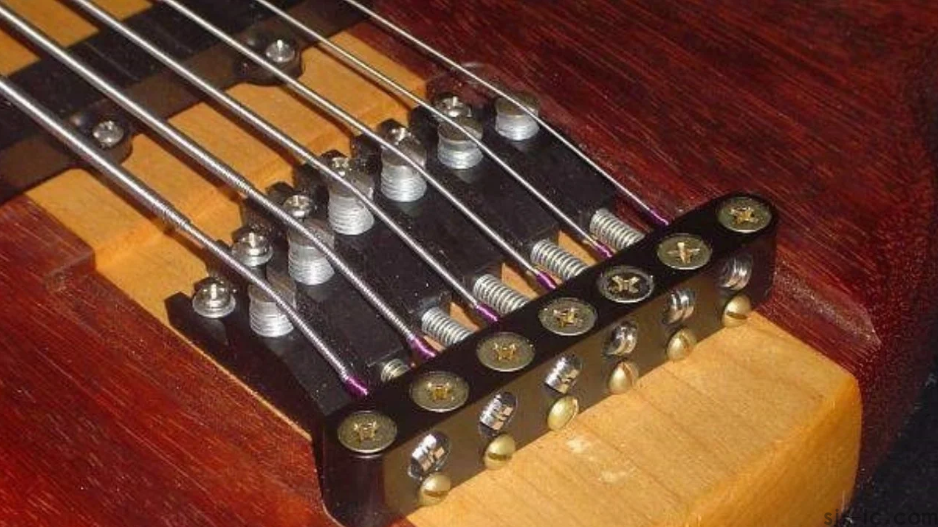
Hardware Components: Bridges, tailpieces, tuning pegs, and jack plates can all be machined from metal or composite materials for durability and precise fit.
Custom Inlays: Intricate designs using mother-of-pearl, abalone, or exotic woods are CNC-cut for a flawless finish.
Brass and Woodwind Instruments
Instruments like trumpets, saxophones, and flutes rely on airtight seals and precise mechanisms.
Valve Casings and Pistons: The valve casing is a vital component that houses the piston. CNC machining ensures perfect coaxiality and surface finish, which is critical for airtightness and smooth action.
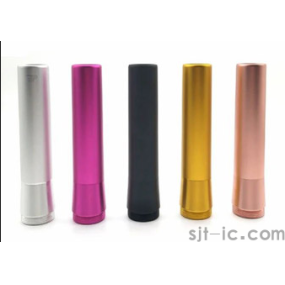
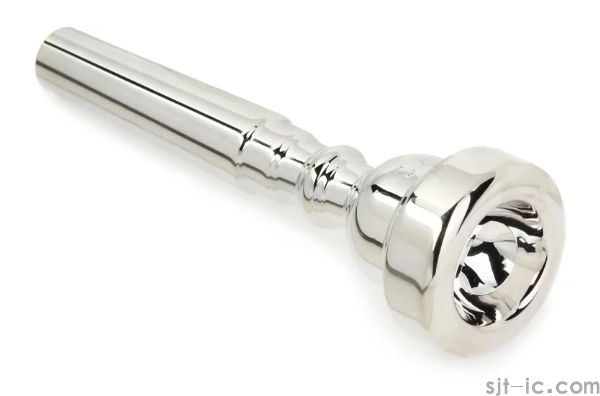
Mouthpieces: Whether for a trumpet or a trombone, the mouthpiece’s internal shape dictates the tone. CNC turning and milling produce consistent, repeatable geometries.
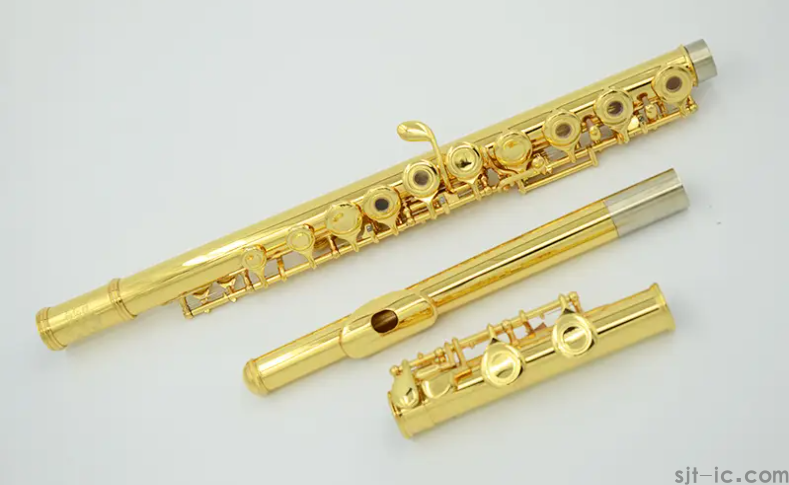
Body Tubes and Keys: Flute bodies and saxophone keys are machined to exact dimensions, ensuring correct tone hole placement and key action.
Bottom Valve Caps and Top Caps: These small but essential parts are machined to precise tolerances to protect internal mechanisms and maintain structural integrity.
Pianos and Keyboards
The complexity of a piano requires thousands of precise parts.
Action Mechanisms: CNC machining fabricates hammers, jacks, and rails with consistent tolerances, ensuring uniform touch and response across the keyboard.
Keys: Piano keys are cut and shaped to precise dimensions for perfect alignment.
Case Components: Cabinets and structural parts are CNC-routed for elegant design and acoustic integrity.
How Precision Affects Tone: The Science of Sound
At EMAR, we understand that machining isn't just about fitting parts together—it’s about shaping sound. Here’s how precision engineering influences acoustic performance.
1. Geometric Tolerance and Airflow
In brass instruments, even a minor deviation in the valve casing can cause turbulence, leading to a stuffy or muffled sound. By holding tolerances to within ±0.005mm, we ensure that air moves smoothly through the instrument, preserving clarity and projection.
2. Surface Finish and Vibration
The surface quality of a part affects how sound waves interact with it. A rough surface can dampen high-frequency vibrations. For example, the bottom of a violin saddle requires a fine finish (as low as Ra0.2μm) to allow for optimal energy transfer from the strings to the body. CNC machining achieves this base precision, which can then be enhanced by hand-polishing.
3. Assembly and Harmonics
An instrument is a system of interacting parts. A cumulative error of just 0.03mm in a piano’s action can lead to uneven hammer strike force. CNC machining reduces system errors, ensuring that the instrument responds harmonically as a unified whole.
Materials Used in CNC Machined Instrument Parts
EMAR’s facility is equipped to handle a wide range of materials, ensuring we match the physical properties to the acoustic requirements of the part.
Tonewoods: Maple, Mahogany, Alder, Ash, Ebony, Rosewood, Spruce.
Metals: Brass (for its durability and machinability), Aluminum (lightweight), Stainless Steel, Titanium.
Plastics and Composites: Acrylic, ABS, Carbon Fiber, Delrin.
Decorative Materials: Mother-of-pearl, Abalone for inlays.
Our Capabilities: From Prototype to Production
At EMAR, we combine decades of manufacturing experience with state-of-the-art equipment to deliver superior custom parts. In business since 1972, our skilled machinists use the latest technology to produce components that meet the highest industry standards.
Our manufacturing processes are ISO 9001:2015 certified, guaranteeing quality management and consistency.
Equipment Overview
We utilize a variety of machinery to handle different production needs:
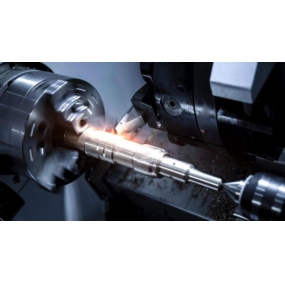
CNC Swiss Lathes: Ideal for medium to high-volume, complex parts. Capable of up to 11 axes for intricate work on smaller components.
Capacity: Round up to 1.250″ (32mm)
CNC Bar Lathes: For larger components and chucking work.
Capacity: Round up to 2.625″ (66.68mm); Chucking up to 10″ (254mm)
Davenport Department: For high-volume production (200,000 pieces minimum) with multi-spindle capabilities.
Whether you need a single prototype valve casing or a production run of thousands of fretboards, EMAR has the expertise to deliver.
Customization and Personalization
One of the greatest benefits of CNC machining is the ability to customize. Musicians often have unique preferences regarding the feel and response of their instruments.
Player-Specific Adjustments: Do you prefer jumbo frets or vintage-style wire? A specific neck profile? CNC allows technicians to precisely adjust fret heights and neck carves to suit an individual’s playing style.
Aesthetic Branding: We can machine custom logos, engravings, and unique design elements directly into the part, giving your instrument a distinctive identity.
Why Choose EMAR for Your Musical Instrument Parts?
Choosing the right partner for your custom parts is crucial. Here is why EMAR stands out:
Expertise Since 1972: With over 50 years of experience, we understand the nuances of musical instrument manufacturing.
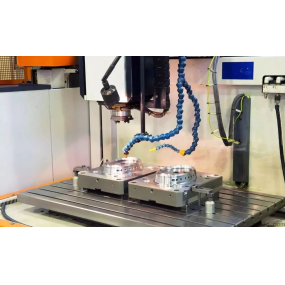
Advanced Technology: Our facility is equipped with the latest CNC lathes, mills, and Swiss machines to handle complex geometries.
Quality Assurance: As an ISO 9001:2015 certified company, we adhere to strict quality control measures at every stage of production.
Material Knowledge: We have extensive experience working with acoustically sensitive materials, from traditional brass to modern composites.
Value-Added Consulting: From design engineering to post-production, our engineers work with you to optimize your parts for both manufacturability and acoustic performance.
Conclusion
CNC machining has transformed the musical instrument industry. It empowers creators to push the boundaries of design while maintaining the precision necessary for world-class sound. By blending modern technology with the artistry of music, manufacturers can produce instruments that are not only visually stunning but acoustically superior.
At EMAR, we are proud to be at the forefront of this revolution, providing precision machined parts that help musicians around the world make beautiful music.
Ready to Create Your Next Masterpiece?
Contact EMAR today to discuss your project. Whether you need a custom mouthpiece, a batch of valve casings, or a complete set of guitar components, we have the technology and expertise to bring your vision to life.
Phone: +86 18664342076
Email: sales8@sjt-ic.com
Let’s engineer the perfect tone, together.