Spanish
 Arabic
 French
 Portuguese
 Belarusian
 Japanese
 Russian
 Malay
Malay Icelandic
 Bulgarian
 Azerbaijani
 Estonian
 Irish
Irish Polish
 Persian
 Boolean
 Danish
 German
 Filipino
 Finnish
 Korean
 Dutch
Dutch Galician
 Catalan
 Czech
Czech Croatian
 Latin
Latin Latvian
 Romanian
 Maltese
 Macedonian
 Norwegian
 Swedish
 Serbian
 Slovak
 Slovenian
 Swahili
 Thai
Thai Turkish
 Welsh
Welsh Urdu
Urdu Ukrainian
 Greek
Greek Hungarian
 Italian
 Yiddish
 Indonesian
 Vietnamese
 Haitian Creole
 Spanish Basque

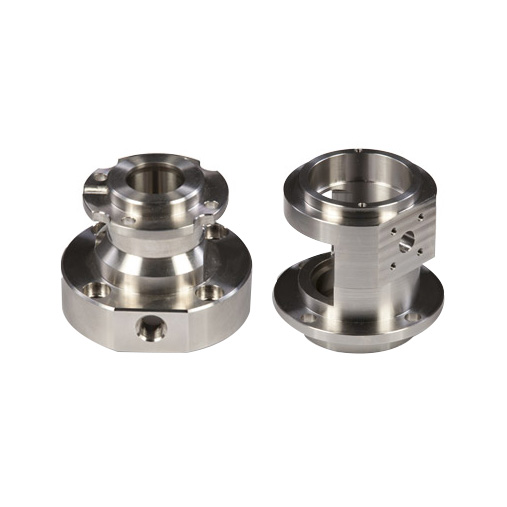
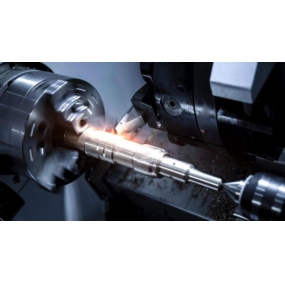
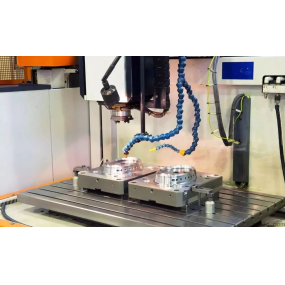
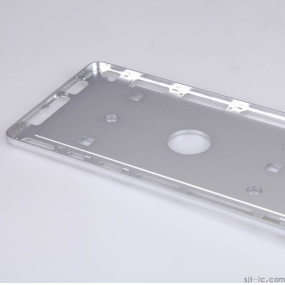
The wear phenomenon on the processing surface of optical communication components is a problem that needs to be taken seriously, as it may affect the performance and lifespan of the components. Here are some suggestions to solve this problem: 1. Choose suitable materials: Choosing wear-resistant and corrosion-resistant materials is the key to reducing wear phenomena. For example, using wear-resistant materials such as hard alloys, ceramics, or certain high-performance plastics can improve the wear resistance of parts. Optimization of machining process: By optimizing machining parameters such as cutting speed, feed rate, cutting depth, etc., thermal and mechanical stresses during the machining process can be reduced, thereby reducing surface wear. Meanwhile, using appropriate coolant and lubrication methods can also reduce friction and wear during the machining process Surface treatment: Surface treatment of processed parts, such as polishing, grinding, coating, etc., can improve the roughness and hardness of the part surface and enhance wear resistance. For example, by using ion plating or chemical vapor deposition technology, a wear-resistant and corrosion-resistant thin film can be formed on the surface of the part Regular maintenance and inspection: For optical communication components that have already been put into use, regular maintenance and inspection should be carried out to promptly detect and address surface wear issues. For example, regularly cleaning the surface of parts to remove attached dust and pollutants; Check the degree of wear of parts and replace severely worn components in a timely manner Improve design and structure: From the perspective of design and structure, optimize the structural design of parts to reduce friction and wear. For example, by improving the shape of the contact surface of the parts and adding lubrication structures, the wear of the parts during use can be reduced Train operators: Ensure that operators have correct operating skills and maintenance knowledge, and avoid surface wear of parts due to improper operation during the operation process Introducing good detection methods: using advanced detection techniques such as optical microscopes, scanning electron microscopes, etc., to accurately detect and address surface wear issues on parts in a timely manner.