Spanish
 Arabic
 French
 Portuguese
 Belarusian
 Japanese
 Russian
 Malay
Malay Icelandic
 Bulgarian
 Azerbaijani
 Estonian
 Irish
Irish Polish
 Persian
 Boolean
 Danish
 German
 Filipino
 Finnish
 Korean
 Dutch
Dutch Galician
 Catalan
 Czech
Czech Croatian
 Latin
Latin Latvian
 Romanian
 Maltese
 Macedonian
 Norwegian
 Swedish
 Serbian
 Slovak
 Slovenian
 Swahili
 Thai
Thai Turkish
 Welsh
Welsh Urdu
Urdu Ukrainian
 Greek
Greek Hungarian
 Italian
 Yiddish
 Indonesian
 Vietnamese
 Haitian Creole
 Spanish Basque

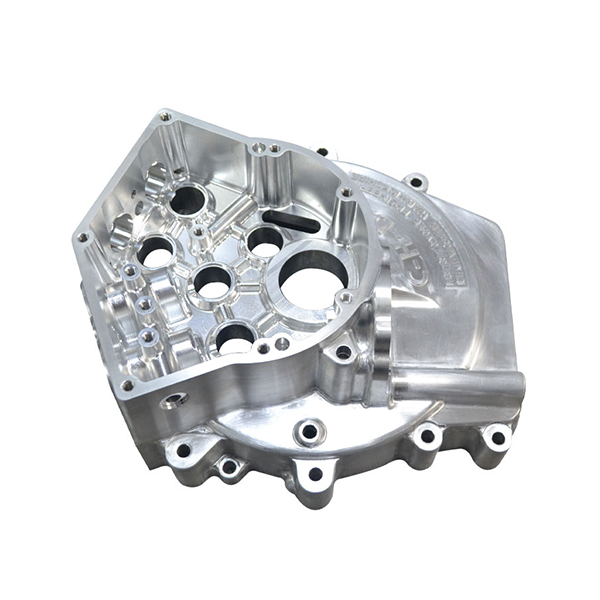
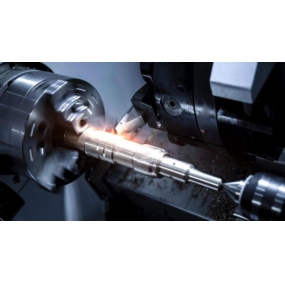
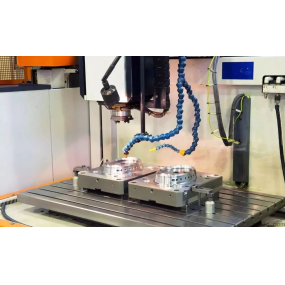
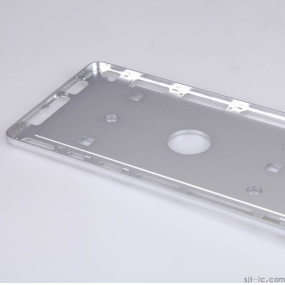
1. Choosing appropriate cutting parameters: The selection of CNC Machining cutting speed, cutting depth, feed rate and other parameters will directly affect the smoothness of the machined surface. Generally speaking, increasing cutting speed, reducing cutting depth, and feed rate are beneficial for improving surface smoothness. 2. The selection of cutting tools: The material and edge radius of the cutting tools can also affect the smoothness of the machined surface. Using high-quality cutting tools, such as high-speed steel cutting tools, can effectively improve the smoothness of the machined surface. Use of coolant: Using high-quality coolant can effectively reduce the frictional heat between the workpiece and the tool during the machining process, reduce surface roughness, and improve surface smoothness. 4. Increasing the number of processing passes: By increasing the number of processing passes, that is, processing the same surface multiple times, the surface smoothness can be gradually improved. 5. Polishing treatment: After CNC machining, polishing equipment can be used to polish the surface, further improving the surface smoothness. 6. Adjustment of machine tool parameters: Ensure the stability of the spindle speed of the machine tool, avoid spindle shaking, and reduce the roughness of the machined surface.