Spanish
 Arabic
 French
 Portuguese
 Belarusian
 Japanese
 Russian
 Malay
Malay Icelandic
 Bulgarian
 Azerbaijani
 Estonian
 Irish
Irish Polish
 Persian
 Boolean
 Danish
 German
 Filipino
 Finnish
 Korean
 Dutch
Dutch Galician
 Catalan
 Czech
Czech Croatian
 Latin
Latin Latvian
 Romanian
 Maltese
 Macedonian
 Norwegian
 Swedish
 Serbian
 Slovak
 Slovenian
 Swahili
 Thai
Thai Turkish
 Welsh
Welsh Urdu
Urdu Ukrainian
 Greek
Greek Hungarian
 Italian
 Yiddish
 Indonesian
 Vietnamese
 Haitian Creole
 Spanish Basque

HTML
What Are the Machined Products? What Are the Machined Parts?
Machined products and machined parts are important foundations of modern manufacturing. They are used in industries such as automotive, aerospace, medical equipment, electronics, construction, and consumer goods. However, many people are confused about the meaning of these two terms. Are machined products and machined parts the same? What are the differences between them? How are they used in real life?
Understanding what are the machined products? What are the machined parts? can help engineers, buyers, manufacturers, and product designers make better decisions during product development, manufacturing, and maintenance. This article explains their definitions, examples, differences, applications, and manufacturing processes for machined products and parts in simple language.
What Are Machined Products?
Machined products are finished items created through machining processes and are usually ready to be used directly by customers or industries. They may contain many individual machined parts that are assembled together to perform a complete function.
During manufacturing, raw materials such as metal, plastic, or composite materials are shaped using machining methods like cutting, milling, turning, drilling, and grinding. After machining, the product may also go through assembly, surface treatment, testing, and finishing processes.
For example, a stainless-steel water bottle can be considered a machined product. The stainless-steel material is shaped into a cylindrical body, threads are machined for the screw-on cap, and surface polishing is performed to improve appearance and durability. After adding other components, the bottle becomes a complete product that consumers can use.
In simple terms, a machined product is the final result that provides a complete function.
What Are Machined Parts?
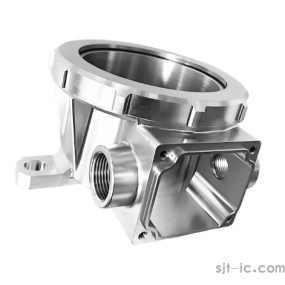
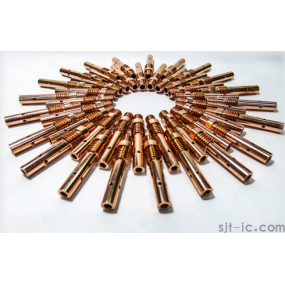
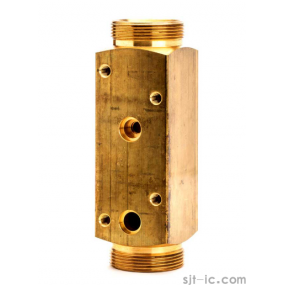
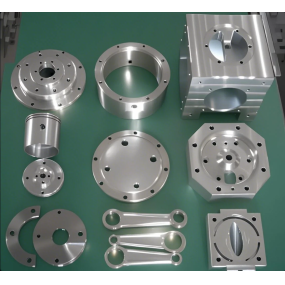
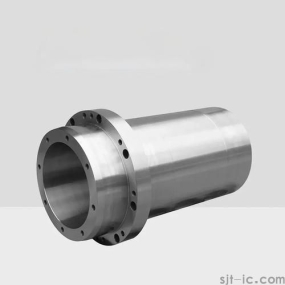
Machined parts are individual components made through machining processes. They are usually not complete products by themselves. Instead, they are used as building blocks and assembled with other parts to create a larger product or machine.
Machined parts are produced from raw materials such as metal bars, plates, blocks, or cast materials. Manufacturers use machining operations to create precise shapes, holes, threads, and surface finishes according to engineering drawings.
For example, a car camshaft is a typical machined part. It is produced from a metal billet and machined with precisely shaped lobes. These lobes control the opening and closing of engine valves. The camshaft itself is only one component, but it plays an important role inside the complete engine system.
In simple terms, a machined part is a component that helps build a larger product.
Examples of Machined Products
There are many examples of machined products in daily life and industrial production. They can range from simple consumer items to complex machines.
Consumer Goods
Many products people use every day contain machining processes. A stainless-steel water bottle is one example. The metal body is formed, machined, and polished to achieve the required size, shape, and appearance.
Other consumer machined products include:
- Metal watch cases
- Aluminum laptop housings
- Camera bodies
- Kitchen equipment components
- Customized household hardware
These products show how machining technology affects everyday life. Without precise machining, many consumer products would not have the required strength, appearance, or performance.
Industrial Equipment
Industrial equipment is another important category of machined products. A CNC Machining center is a good example. It is a complex machine made from many precisely machined components, including the machine bed, columns, spindle housing, and moving structures.
These components must be manufactured with high accuracy because the machine itself is used to produce other precision parts. The quality of the machined product directly affects production efficiency and manufacturing accuracy.
Examples of Machined Parts
Understanding examples of machined parts helps explain how individual components support larger systems.
Mechanical Components
Mechanical components are common machined parts used in machines and vehicles. A car gear is a typical example. It is machined with accurate tooth shapes so that it can connect with other gears and transfer power smoothly.
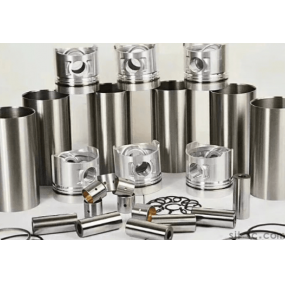
Other mechanical machined parts include:
- Shafts
- Bearings
- Camshafts
- Pistons
- Valves
- Fasteners
Although these parts may look simple, their dimensions and surface quality are critical for machine performance.
Structural Elements
Structural elements are also common machined parts. For example, steel I-beams used in construction can be considered machined parts after they are cut, drilled, and shaped according to engineering requirements.
These parts are designed to support loads and maintain the strength of buildings, bridges, and industrial structures.
Differences Between Machined Products and Parts
The differences between machined products and parts mainly involve their completion level, function, and role in manufacturing.
Function and Completion Level
The biggest difference is whether the item can be used directly.
- Machined products: These are complete items that can perform a specific function. For example, a fully assembled power drill is a machined product because users can operate it directly.
- Machined parts: These are components that need to be combined with other parts. For example, the gears, shafts, and screws inside the power drill are machined parts.
This difference is important for product designers and manufacturers because they need to understand whether they are creating a complete product or only supplying components.
Complexity and Manufacturing Scale
Machined products are often more complex because they include multiple parts, assembly steps, and testing procedures. A smartphone is an example of a complex product. It contains many machined parts, including metal frames, buttons, and internal structural components.
Machined parts are often produced in large quantities because they are used repeatedly in product assembly. For example, thousands of precision screws may be manufactured for electronic devices or vehicles.
Applications of Machined Products and Parts
The applications of machined products and parts cover almost every modern industry. Their accuracy, strength, and reliability make them essential for advanced manufacturing.
Aerospace Industry
The aerospace industry requires extremely precise machined products and parts. Aircraft structures, engine systems, and control mechanisms all depend on high-quality machining.
An aircraft wing can be considered a large machined product. It is manufactured from lightweight materials such as aluminum alloys or composites and shaped to achieve the required aerodynamic performance.
Inside the wing, many machined parts are used, including brackets, connectors, and fasteners. These parts must meet strict quality standards because aircraft safety depends on their reliability.
Automotive Industry
The automotive industry is one of the largest users of machined products and parts. A car engine is a complete machined product made from many machined parts.
Examples include:
- Engine blocks
- Pistons
- Crankshafts
- Camshafts
- Transmission gears
The quality of these parts affects vehicle performance, fuel efficiency, durability, and safety.
Medical Industry
Medical equipment also depends on precision machining. Products such as surgical instruments and medical devices require extremely accurate machined parts.
For example, robotic surgical equipment contains precision-machined joints and movement components. These parts must have tight tolerances to ensure safe and accurate operation.
Manufacturing Processes for Machined Products and Parts
The manufacturing processes for machined products and parts usually include machining, assembly, finishing, and quality inspection.
Machining Operations for Parts
Machined parts are produced through different machining operations, including:
- Turning: Used to create round shapes such as shafts and cylinders.
- Milling: Used to create flat surfaces, slots, and complex shapes.
- Drilling: Used to make accurate holes.
- Grinding: Used to achieve high surface accuracy and smoothness.
For example, when producing a metal shaft, turning can create the correct outside diameter, while drilling can create a center hole according to design requirements.
Assembly and Finishing for Products
After individual parts are machined, they may be assembled into a complete product. Additional finishing processes may also be required to improve appearance, corrosion resistance, or product life.
Common finishing methods include:
- Polishing
- Painting
- Anodizing
- Coating
- Heat treatment
For example, a machined metal furniture component may be cut and shaped first, then assembled with other components, and finally coated to improve durability and appearance.
EMAR's Expertise in Machined Products and Parts
Producing reliable machined products and parts requires advanced equipment, professional knowledge, and strict quality control. EMAR provides precision machining solutions for different industries by combining modern manufacturing technology with experienced engineering support.
EMAR focuses on producing high-quality machined parts with accurate dimensions, excellent surface finishes, and stable performance. For industries such as medical equipment, automotive manufacturing, and industrial machinery, EMAR applies strict inspection procedures to ensure that components meet customer requirements.
With flexible manufacturing capabilities, EMAR can provide customized solutions for both small precision components and complex machined products. Whether customers need prototypes, low-volume production, or large-scale manufacturing, reliable machining processes help deliver consistent quality.
Conclusion
So, what are the machined products? What are the machined parts? Machined products are complete items created through machining and assembly, while machined parts are individual components used to build larger products.
Understanding their differences, examples, applications, and manufacturing processes helps businesses choose the right manufacturing approach. From automobiles and aircraft to medical devices and consumer products, machined products and parts continue to support modern industries with precision and reliability.