Spanish
 Arabic
 French
 Portuguese
 Belarusian
 Japanese
 Russian
 Malay
Malay Icelandic
 Bulgarian
 Azerbaijani
 Estonian
 Irish
Irish Polish
 Persian
 Boolean
 Danish
 German
 Filipino
 Finnish
 Korean
 Dutch
Dutch Galician
 Catalan
 Czech
Czech Croatian
 Latin
Latin Latvian
 Romanian
 Maltese
 Macedonian
 Norwegian
 Swedish
 Serbian
 Slovak
 Slovenian
 Swahili
 Thai
Thai Turkish
 Welsh
Welsh Urdu
Urdu Ukrainian
 Greek
Greek Hungarian
 Italian
 Yiddish
 Indonesian
 Vietnamese
 Haitian Creole
 Spanish Basque

HTML
How to do a good job in cleaning the sheet metal shell after processing?
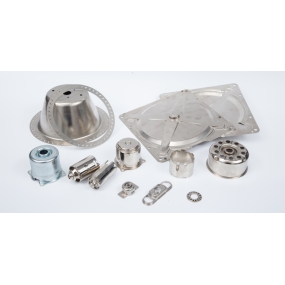
After sheet metal processing, the surface of the shell often contains oil stains, metal chips, dust, polishing residues, and other contaminants. Many manufacturers focus on cutting, bending, welding, and forming accuracy but ignore the final cleaning process. However, proper cleaning is an important step that directly affects the appearance, performance, and service life of the sheet metal shell.
How to do a good job in cleaning the sheet metal shell after processing? The answer depends on understanding the type of contamination, selecting suitable cleaning methods, choosing the correct cleaning agents, and controlling the cleaning process carefully. A professional cleaning process can help ensure that the sheet metal shell is ready for painting, coating, assembly, or final use.
Why Is Post-processing Cleaning Necessary for Sheet Metal Shell?
During sheet metal processing, different operations such as cutting, stamping, drilling, grinding, and welding can leave unwanted substances on the surface. For example, cutting may produce metal particles, while stamping usually requires lubricating oil that remains on the shell after forming.
Cleaning after processing is not only about making the shell look better. It also removes harmful residues that may affect future performance. A clean sheet metal shell can achieve better coating results, reduce corrosion risks, and provide a more reliable final product.
The importance of post-processing cleaning for sheet metal shell can be seen in two main areas: improving appearance and protecting long-term performance.
Importance of Post-processing Cleaning for Sheet Metal Shell
1. Improving Appearance and Product Quality
A clean sheet metal shell creates a better visual impression. In products such as laptops, communication equipment, medical devices, and consumer electronics, customers expect smooth and professional-looking surfaces.
For example, a laptop metal cover with fingerprints, oil marks, or machining dust will appear low quality even if the processing accuracy is excellent. After proper cleaning, the surface becomes brighter and cleaner, improving the overall appearance of the product.
A high-quality appearance can also improve product competitiveness. Customers often judge product quality from visible details, and a clean shell helps build trust in the manufacturer.
2. Improving Performance and Durability
Processing residues can damage sheet metal over time. Small metal chips left on the surface may create scratches, while oil and chemical residues may speed up corrosion.
For example, an industrial sheet metal enclosure used outdoors may experience rust problems if salt, dust, or processing chemicals remain on the surface. Proper cleaning removes these harmful substances and helps the shell maintain its strength and durability.
Therefore, effective cleaning is an important step to extend the service life of sheet metal products.
Suitable Cleaning Methods for Sheet Metal Shell
Different sheet metal shells require different cleaning methods. The correct method depends on the material, surface condition, production requirements, and type of contamination.
1. Mechanical Cleaning
Mechanical cleaning removes dirt and residues through physical force. Common tools include brushes, abrasive pads, compressed air, and ultrasonic cleaning equipment.
- Brush cleaning: Suitable for removing loose dust, metal chips, and surface particles. For example, large sheet metal ventilation ducts can be cleaned with industrial brushes.
- Abrasive cleaning: Can remove stubborn surface residues, but the pressure must be controlled to avoid scratching the metal.
- Ultrasonic cleaning: Uses high-frequency sound waves to create tiny bubbles that remove contaminants from small gaps and complex structures.
Mechanical cleaning is effective for visible contamination, especially when the sheet metal shell has complicated shapes or small parts that are difficult to reach manually.
2. Chemical Cleaning
Chemical cleaning uses specially designed cleaning solutions to remove oil, grease, rust, and other difficult contaminants.
For example, after sheet Metal Stamping, oil residues from lubricants can remain on the surface. A suitable degreasing solution can dissolve these oils and prepare the shell for painting or coating.
However, chemical cleaning requires careful control. Strong chemicals or incorrect concentrations may damage the metal surface. The cleaning solution must match the material type, such as stainless steel, aluminum, or carbon steel.
Choosing suitable cleaning methods for sheet metal shell helps manufacturers avoid unnecessary damage while achieving better cleaning results.
Cleaning Agents for Sheet Metal Shell
The selection of cleaning agents is one of the most important parts of the cleaning process. Different contaminants require different solutions.
1. Degreasers
Degreasers are mainly used to remove oil and grease. They are commonly applied after stamping, cutting, and machining because lubricants are often used during these processes.
For example, a water-based degreaser can be sprayed onto a sheet metal shell, allowed to react for several minutes, and then removed with water or a cleaning cloth. This process effectively removes oily residues without damaging the surface.
Degreasers are especially important when the shell needs painting or powder coating because oil contamination can prevent coatings from bonding properly.
2. Rust Removers
Rust removers help treat oxidation and corrosion on metal surfaces. Some products dissolve rust, while others convert rust into a stable protective layer.
For example, a rust-converting treatment can be applied to a steel sheet metal shell with light rust. The chemical reaction changes unstable rust into a more stable compound, helping prevent further corrosion.
Using proper cleaning agents for sheet metal shell can improve surface quality and reduce future maintenance problems.
Common Challenges in Cleaning Sheet Metal Shell
1. Material Compatibility Problems
One of the biggest challenges is choosing a cleaning agent that is safe for the sheet metal material.
For example, aluminum sheet metal can react with some acidic cleaners, causing surface damage or corrosion. Stainless steel, carbon steel, and aluminum may require different cleaning solutions.
Before cleaning, manufacturers should confirm:
- The material type of the sheet metal shell.
- The chemical properties of the cleaning agent.
- The required surface finish after cleaning.
Correct material compatibility prevents cleaning-related damage and ensures stable product quality.
2. Cleaning Hard-to-reach Areas
Many sheet metal shells have complex structures, including narrow slots, internal corners, holes, and deep spaces. These areas can collect dust, oil, and metal particles.
For example, a sheet metal chassis with multiple internal compartments may look clean outside while still containing hidden contaminants inside.
Solutions such as ultrasonic cleaning, specialized brushes, and controlled spraying methods can help reach difficult areas.
Understanding the challenges in cleaning sheet metal shell allows manufacturers to create better cleaning processes and avoid hidden quality problems.
Effects of Improper Cleaning on Sheet Metal Shell
1. Increased Risk of Corrosion
If processing residues remain on the sheet metal surface, corrosion may happen faster. Salt, chemicals, and moisture can react with metal and weaken the shell.
For example, sheet metal products manufactured near coastal areas may rust quickly if salt residues are not removed completely after processing.
Corrosion reduces strength, shortens product life, and may cause equipment failure.
2. Poor Coating Adhesion
Many sheet metal shells require painting, powder coating, or protective surface treatments. A dirty surface can prevent coatings from bonding correctly.
For example, if oil remains on a sheet metal cabinet before painting, the paint may peel, crack, or fall off after use.
Proper cleaning creates a clean surface that allows coatings to attach firmly and maintain a better appearance.
These effects of improper cleaning on sheet metal shell show why cleaning should be treated as an important manufacturing step rather than a simple finishing task.
How EMAR Provides Reliable Sheet Metal Shell Cleaning Solutions
Professional Cleaning Process Experience
EMAR understands that different sheet metal shells require different cleaning solutions. With experience in sheet metal processing, EMAR can evaluate factors such as material type, surface condition, processing method, and final application before selecting the cleaning process.
For example, a sheet metal shell used in a food-processing environment may require a safer cleaning solution, while an electronic equipment enclosure may require a higher level of surface cleanliness before assembly.
This professional approach helps customers achieve stable and reliable cleaning results.
Strict Quality Control for Clean Sheet Metal Shells
EMAR focuses on controlling every stage of post-processing cleaning. The process includes selecting suitable cleaning agents, managing cleaning conditions, checking surface quality, and ensuring that difficult areas are properly treated.
For high-precision products such as electronic equipment housings, a careful cleaning process helps ensure that the shells are free from oil, dust, and processing residues before final assembly.
By combining suitable methods, professional experience, and quality control, EMAR provides dependable post-processing cleaning solutions for sheet metal shells.
Conclusion
Cleaning a sheet metal shell after processing is a necessary step to improve appearance, protect performance, and extend service life. The best results come from selecting the correct cleaning method, using suitable cleaning agents, and considering challenges such as material compatibility and difficult structures.
Manufacturers that pay attention to post-processing cleaning can reduce quality problems, improve customer satisfaction, and create more reliable products. With professional knowledge and practical experience, companies like EMAR help customers achieve high-quality sheet metal shell cleaning solutions for different applications.