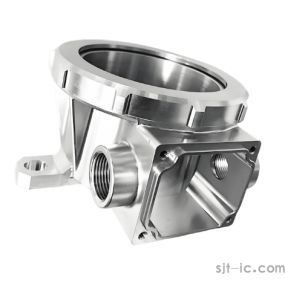
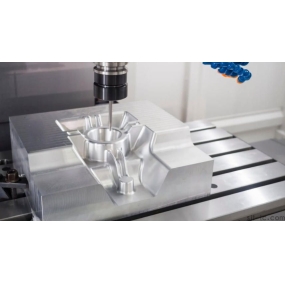
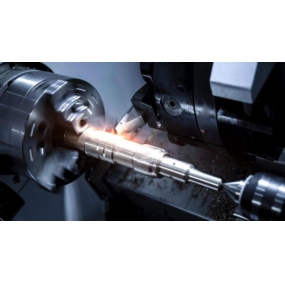
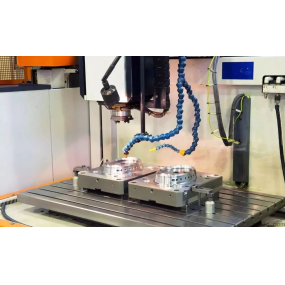
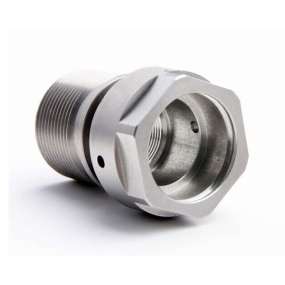
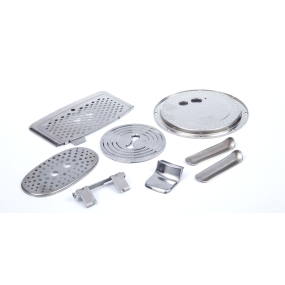
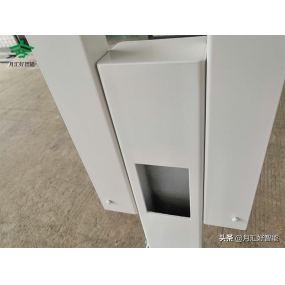
Aluminum alloy is an alloy material composed of aluminum with other metal elements (such as copper, magnesium, zinc, silicon, etc.) or non-metallic elements (such as silicon). The surface treatment process of aluminum alloy is varied, including anodizing, spraying, electroplating, etc., to improve its corrosion resistance, aesthetics and functionality. 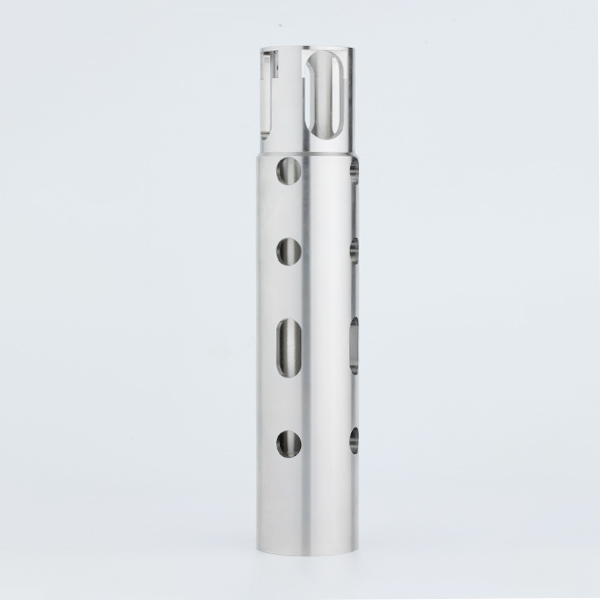 Anodizing: By forming a dense oxide film on the surface of aluminum alloy, improve the corrosion resistance, hardness and wear resistance of aluminum alloy. Anodizing film can also be dyed in various colors to enhance the aesthetics of aluminum alloy. Spraying: The paint is sprayed on the surface of aluminum alloy to form a protective layer to improve the corrosion resistance, weather resistance and aesthetics of aluminum alloy. Spraying process includes powder spraying, paint spraying, etc. Electroplating: Plating a layer of metal or alloy on the surface of aluminum alloy to improve its corrosion resistance, conductivity and aesthetics. Common electroplating processes include chrome plating, nickel plating, etc.
Hello! Welcome to EMAR's website!
 English
 » »
» »
 Spanish
 Arabic
 French
 Portuguese
 Belarusian
 Japanese
 Russian
 Malay
Malay Icelandic
 Bulgarian
 Azerbaijani
 Estonian
 Irish
Irish Polish
 Persian
 Boolean
 Danish
 German
 Filipino
 Finnish
 Korean
 Dutch
Dutch Galician
 Catalan
 Czech
Czech Croatian
 Latin
Latin Latvian
 Romanian
 Maltese
 Macedonian
 Norwegian
 Swedish
 Serbian
 Slovak
 Slovenian
 Swahili
 Thai
Thai Turkish
 Welsh
Welsh Urdu
Urdu Ukrainian
 Greek
Greek Hungarian
 Italian
 Yiddish
 Indonesian
 Vietnamese
 Haitian Creole
 Spanish Basque