Spanish
 Arabic
 French
 Portuguese
 Belarusian
 Japanese
 Russian
 Malay
Malay Icelandic
 Bulgarian
 Azerbaijani
 Estonian
 Irish
Irish Polish
 Persian
 Boolean
 Danish
 German
 Filipino
 Finnish
 Korean
 Dutch
Dutch Galician
 Catalan
 Czech
Czech Croatian
 Latin
Latin Latvian
 Romanian
 Maltese
 Macedonian
 Norwegian
 Swedish
 Serbian
 Slovak
 Slovenian
 Swahili
 Thai
Thai Turkish
 Welsh
Welsh Urdu
Urdu Ukrainian
 Greek
Greek Hungarian
 Italian
 Yiddish
 Indonesian
 Vietnamese
 Haitian Creole
 Spanish Basque

The jewelry industry has evolved dramatically over the centuries, transforming materials like metals, precious gems, and even plastics into unique artistic products. Today, Computer Numerical Control (CNC) machining is making the biggest wave in jewelry making, offering solutions to problems that modern jewelers face. This comprehensive guide explores how CNC processing is revolutionizing jewelry manufacturing, from creating master models to producing finished pieces.
What Is CNC Machining for Jewelry Making?
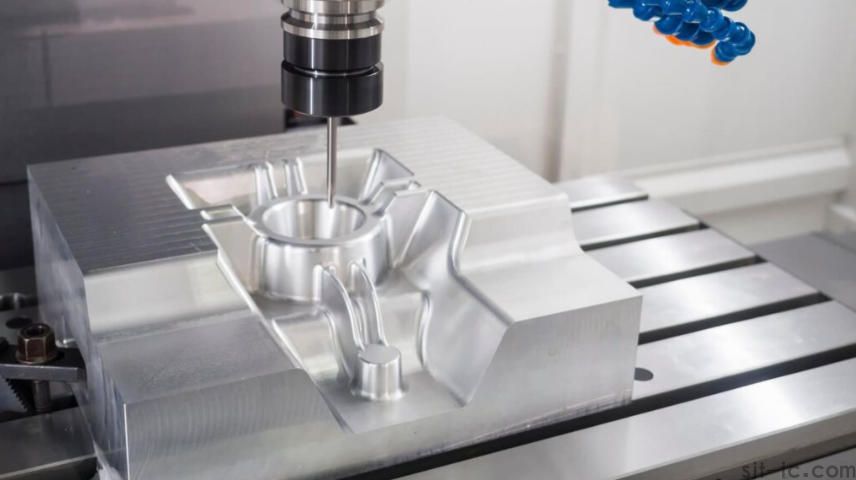
CNC (Computer Numerical Control) machining is a modern prototyping and manufacturing process that uses computer-aided design (CAD) software to create digital replicas of jewelry designs. These digital files are converted into instructions that CNC machines understand. The machine follows these pre-programmed instructions to create jewelry pieces with intricate shapes, designs, and patterns.
This technology has transformed how jewelry is made, moving beyond traditional techniques like hand fabrication, lost-wax casting, electroforming, and 3D printing. CNC machining offers precision and efficiency that was previously impossible to achieve with conventional methods.
The CNC Jewelry Production Process
The CNC jewelry production process combines CAD software with CNC milling machines to create intricate pieces. Here are the main steps involved:
Step 1: Design Creation via CAD Software
The production process begins with using CAD software to create a 3D design of the jewelry. This digital model serves as a blueprint for production, guiding the CNC machine on what to create. After completing the design, jewelers select the jewelry material, with common choices including gold, silver, platinum, and titanium.
Step 2: Machine Programming
The CNC milling machine is set up and the CAD design file is loaded into the machine. The file is converted into instructions that the CNC machine understands. Proper cutting tools must be installed to ensure excellent production results.
Step 3: Milling
With the design and CNC machine prepared, the jewelry piece is milled from the selected material. The machine follows the design guide of the CAD file, precisely carving out the jewelry using rotary cutters to remove material. This step creates the basic form of the jewelry piece with high accuracy.
Step 4: Finishing
Once milling is completed, the jewelry undergoes cleaning and polishing. Any excess material is removed, and a final inspection ensures the piece meets desired specifications. Additional finishing processes like PVD coating, electroplating, or engraving can be applied for extra protection and uniqueness.
Key CNC Techniques in Jewelry Making
Milling and Engraving
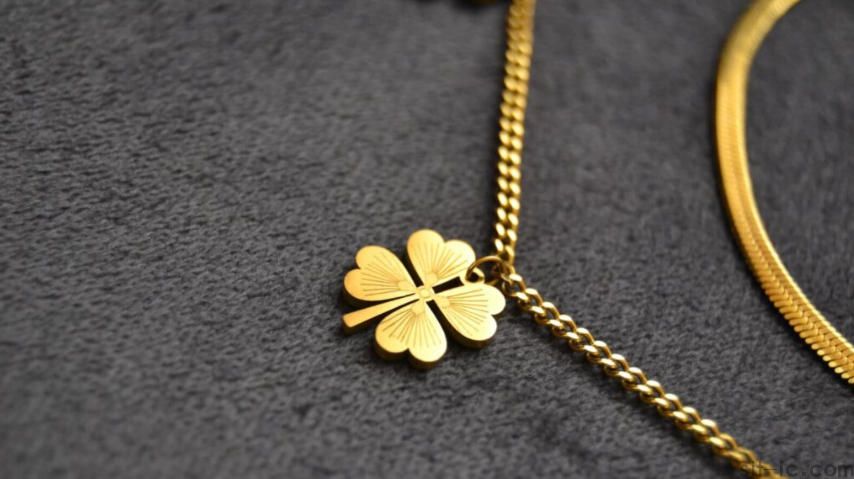
Milling and engraving are fundamental techniques in CNC jewelry production. Milling involves using rotating cutting tools to carve detailed patterns, textures, and shapes from materials such as gold, silver, platinum, and wax. This method is ideal for producing rings, pendants, and bracelets with complex designs. Engraving adds intricate inscriptions, decorative patterns, or branding elements to the jewelry surface, enhancing aesthetic appeal.
Stone Setting and Micromachining
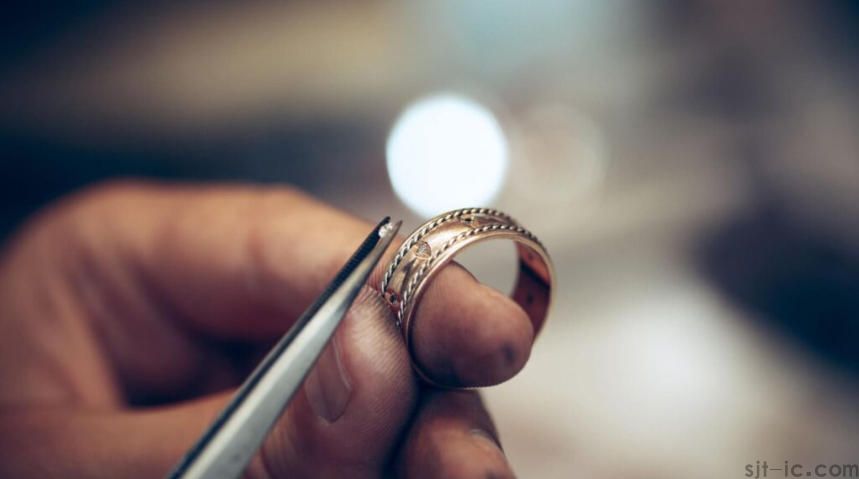
Stone setting requires extreme precision to ensure gemstones fit securely within their settings. CNC machining allows jewelers to carve precise cavities for diamonds and other stones, reducing the risk of misalignment or loose settings. This method is particularly effective for creating prong, bezel, and channel settings with minimal material waste.
Micromachining further enhances precision by allowing jewelers to craft delicate details at a microscopic scale. This technique is essential for fine jewelry where intricate patterns and minute adjustments are required.
Polishing and Surface Finishing
The final step in jewelry manufacturing involves polishing and surface finishing to enhance appearance and texture. CNC machines can achieve various surface finishes, including matte, satin, and high-gloss, depending on the desired aesthetic. Some CNC systems incorporate additional post-processing techniques such as electroplating or sandblasting to achieve unique textures.
Applications of CNC Machining in Jewelry Making
Creating Molds for Wax Modeling
A common method for making molds in jewelry manufacturing is wax modeling, which traditionally is time-consuming and prone to human error. With CNC machining, precise and detailed molds can be created faster without defects. CNC mold making produces sturdier molds that can be used multiple times, allowing for accurate and consistent reproduction of complex patterns.
Creating Master Models for Casting
Metal casting remains one of the most popular methods for creating jewelry. Rather than creating jewelry by hand, CNC improves the production process through automated technologies. CNC creates master models that serve as references for making multiple copies of the design, ensuring consistency and quality in mass production. The precision of CNC machining enables the production of high-quality models for both casting and direct prototyping processes.
Creating Intricate Structures
One key application of CNC in jewelry making is creating intricate structures that may be difficult or impossible with other processes. CNC is applied in creating complicated structures such as complex filigree and geometric designs. CNC machines efficiently carve detailed patterns, allowing jewelers to push the boundaries of what is possible.
Prototyping and 3D Printing
CNC technology makes rapid prototyping more accessible and efficient. It allows jewelry designers and manufacturers to create samples before production, helping test form and function before committing to mass production. CNC offers tangible, high-quality representations of final pieces, enabling creators to see how the jewelry will appear after completion.
Engraving Jewelry
CNC machines have made it easier to carve patterns or text on molds and jewelry. They engrave designs and textures on various materials, including precious metals and gemstones. This is particularly useful for personalizing jewelry with names, dates, or decorative designs. CNC ensures clean, crisp lines and handles detailed work on pieces like rings, bracelets, and pendants.
Polishing and Surface Finishing
Jewelry polishing and finishing can be done through CNC machines, ensuring each piece is smooth and free of imperfections. While hand polishing can be used, CNC machining provides a clean surface that reduces post-processing needs. This technique can apply different textures, ranging from mirror finishes to matte surfaces.
Stones and Prongs Setting
CNC is used to set stone positions for jewelry, particularly with harder metals like stainless steel that are difficult for traditional prong setting. CNC precisely carves out the position of stones and prongs, ensuring stones fit securely, symmetrically, and consistently while minimizing the risk of damage during the setting process.
Marble Faceting
Specialized CNC machines are available for faceting gemstones. These machines typically consist of a sanding wheel that spins quickly and receives water, abrasives, or chemicals for improving the process, along with a holder for the gemstone. The computer performs all control functions, ensuring accurate results. Industrial faceting units monitor progress in real time and show completed and processing faces on a computer screen for easier control.
Types of CNC Machines Used for Jewelry Making
CNC Milling Machines
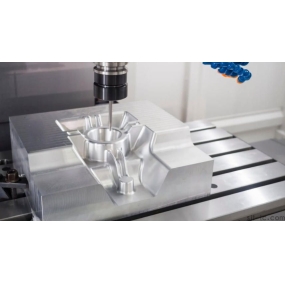
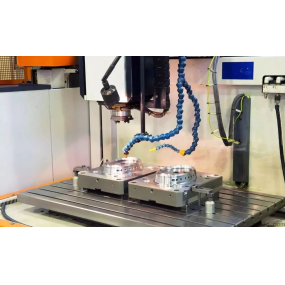
CNC milling machines are widely used to carve detailed designs from metal or wax. These machines operate with rotating cutting tools that systematically remove material, ensuring accuracy and repeatability. By following pre-programmed CAD files, milling machines can replicate intricate patterns, making them essential for crafting master models and directly machining jewelry components.
CNC Routers
CNC routers are commonly used for carving molds and cutting softer materials like wax or plastic. These machines excel in producing detailed prototypes and master models used in the lost wax casting process. Their ability to handle delicate materials makes them invaluable for creating intricate jewelry molds with high precision.
CNC Engraving Machines
Engraving machines use lasers or rotary cutting tools to etch intricate details onto jewelry surfaces. Laser engraving has become popular due to its ability to create highly detailed markings without physically touching the material, preventing surface damage and ensuring precision. Rotary engraving offers a more traditional approach, allowing deeper cuts for textured designs.
CNC Lathes
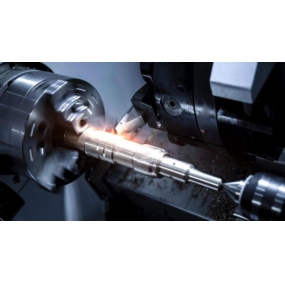
CNC lathes are essential for shaping jewelry requiring circular symmetry, such as rings and bracelets. These machines work by rotating the material while precise cutting tools remove excess material, resulting in perfectly round and smooth surfaces. CNC lathes are particularly valuable for mass-producing rings and other cylindrical jewelry pieces.
Materials Used in CNC Jewelry Processing
Precious Metals
CNC machining is widely used for processing precious metals such as gold, silver, and platinum. These materials require careful handling due to their softness and susceptibility to deformation. High-speed milling and engraving tools ensure clean cuts and intricate detailing without damaging the metal. Specialized cutting tools and cooling systems prevent overheating during processing.
Non-Metal Materials
CNC machines can process non-metal materials such as resins, plastics, wood, and wax. These materials offer flexibility for creating experimental designs, prototypes, or mixed-media jewelry. Resin and wax models are often machined to create master patterns for casting. Wood and acrylics are used for crafting artistic jewelry, combining organic textures with high-tech precision.
Alternative and Unconventional Materials
Some jewelers use CNC machines to work with unexpected materials such as meteorites, carbon fiber, super-conductors, and even recycled electronics. The versatility of CNC technology allows working with materials that would be difficult to carve by hand.
Advantages of CNC Machining in Jewelry Manufacturing
Accuracy and Precision
CNC manufacturing machines can create intricate shapes, designs, and complex patterns with high precision. The machine follows CAD instructions to ensure each piece is produced with exact measurements and zero error. This accuracy is essential for jewelry requiring aligned symmetry, such as rings and earrings, where small mistakes can impact the overall piece.
Design Versatility
CNC machines open up new possibilities for exquisite craftsmanship, allowing designers to express creativity without barriers. These machines effortlessly produce complex, multi-dimensional, and intricate designs that would be challenging to achieve with traditional methods like hand fabrication or lost-wax casting.
Material Diversity
CNC machining allows manufacturing of a broader range of pieces using materials such as gold, silver, platinum, and stainless steel. The machine supports different materials, allowing jewelry designers to produce unique and custom pieces while expanding creative opportunities to mix different materials.
Production Time and Cost Efficiency
CNC jewelry machines are faster and more efficient than other jewelry making methods. They enable mass production, streamline the production process, significantly reduce production time, and lower labor costs. This increased efficiency allows for faster turnover time, minimizes errors, and cuts down on waste, making it extremely cost-effective.
High Durability and Excellent Quality
CNC machining produces jewelry pieces with smooth surfaces, high structural integrity, and superior hardness, offering double the durability of typical cast pieces. CNC jewelry products have high capability to withstand scratches and deformation, making them suitable for everyday wear, including engagement rings and bracelets that need to resist daily wear and tear.
Challenges of CNC Machining for Jewelry
Initial Investment
One of the biggest obstacles is the high initial investment. CNC machines require significant capital for acquisition and maintenance. Smaller jewelry businesses may find it difficult to justify the cost, particularly if they are not producing high volumes.
Material Limitations
While CNC machines can handle various metals and resins, certain materials—especially extremely soft or brittle ones—may not be suitable for machining. Jewelers need to select the right cutting tools and parameters to prevent damage. Wax, being a soft material, can be deformed by heat generated during mechanical milling, drilling, and turning. Machines fine-tuned for creating master models typically have special cooling systems to prevent warping.
Technical Limitations
Complex prints may require more than 4-axis machining, and CNC machines may have trouble with hollow sections. Many CNC devices have difficulty with 90-degree angles, causing a tapering effect in certain areas. One workaround is to add extra material in the CAD model phase to compensate for harsh angles.
Environmental Considerations
The CNC machining process generates dust, material waste like metal shavings, and used cutting fluids that require proper disposal. Sustainable practices, such as recycling metal scraps and using eco-friendly coolants, can help mitigate these environmental effects.
Precision and Tolerances in CNC Jewelry Production
Precision is a defining feature of CNC machining in jewelry production. CNC machines operate within extremely tight tolerances, often within a few microns. This level of accuracy is essential when crafting delicate pieces such as engagement rings, earrings, and pendants. Even the smallest deviation can impact the fit of gemstones or the alignment of design elements.
Tight tolerances also ensure consistency across multiple pieces. Whether producing a single custom item or an entire series, CNC machining guarantees that each piece meets exact specifications. This precision is particularly beneficial for wedding bands and other items that require seamless symmetry.
To achieve high accuracy, CNC machines rely on advanced cutting tools, cooling systems, and real-time monitoring. Factors such as spindle speed, feed rate, and tool wear are carefully controlled to maintain consistency.
CNC Machining vs. Traditional Jewelry Making Methods
CNC machining has transformed jewelry manufacturing by offering greater precision and efficiency compared to traditional handcrafting methods. Unlike hand-carving or manual engraving, CNC technology relies on CAD software and automated cutting tools to create intricate jewelry designs with minimal human intervention, reducing errors and ensuring consistency across multiple pieces.
Traditional jewelry-making techniques, such as lost wax casting and hand engraving, require extensive skill and labor. While these methods allow for unique craftsmanship, they can be time-consuming and may not always achieve the same level of precision as CNC machining. Using traditional methods, a master jeweler might require 2-4 weeks for custom pieces, with some companies asking for 6-8 weeks to complete an engagement ring. CNC machining significantly reduces this time.
CNC machining improves production speed, with a single machine capable of cutting, engraving, and polishing multiple jewelry pieces in a fraction of the time required for manual fabrication.
CNC in Mass Production vs. Custom Designs
In mass production, CNC machines ensure uniformity by replicating identical jewelry pieces such as wedding rings, pendants, and bracelets with high precision. The automation of the machining process eliminates inconsistencies, making it possible to produce thousands of jewelry pieces with the same quality and detail.
For custom jewelry, CNC machining provides unmatched flexibility. Jewelers can use CAD software to modify designs quickly, allowing for personalization without extensive manual labor. Whether engraving names, adjusting stone settings, or crafting intricate one-of-a-kind designs, CNC technology streamlines the customization process.
Quality Control in CNC Jewelry Manufacturing
Maintaining quality control in CNC jewelry manufacturing requires precise monitoring at every stage of production. Manufacturers rely on digital measurement tools like micrometers, calipers, and coordinate measuring machines to detect any deviations from the intended design.
Regular inspection protocols are essential. Operators must check machined parts at various stages, from initial milling to final surface finishing. Digital feedback systems integrated into CNC machining centers allow real-time adjustments, minimizing human error and reducing material waste.
Software-driven simulations help verify jewelry designs before machining begins. By using CAD software and prototyping techniques, manufacturers can test dimensions and tolerances before committing to production.
Design Tips for Making Jewelry with CNC Machines
When designing jewelry for CNC machining, efficiency and precision should be key considerations. Unlike traditional handcrafting, CNC relies on computer-aided designs that dictate the machining process. Keeping designs optimized for machining reduces production time and material waste.
Simplicity is crucial for intricate designs. While CNC machines can create highly detailed patterns, overly complex features may require excessive tool changes or increase machining time. Jewelers should balance aesthetics with manufacturability, ensuring fine details remain feasible at small scales.
Material efficiency is another critical factor. Optimizing CAD files for minimal waste reduces costs and makes production more sustainable. Using nesting techniques, where multiple pieces are arranged strategically in a single block of material, maximizes resource usage.
Safety Tips for Making Jewelry with CNC Machines
Ensuring safety when using CNC machines for jewelry making is essential to prevent accidents and maintain efficient operations. Operators should always wear appropriate protective gear, including safety glasses, gloves, and dust masks to protect against flying debris, metal shavings, and fine dust particles.
Proper machine calibration is crucial. Before each use, check that cutting tools, spindles, and workpiece clamps are securely fastened. Misalignment can cause precision errors and potential safety risks. Cooling systems, such as air blowers or liquid coolants, should be used when machining metals to reduce overheating and tool wear.
Routine maintenance is another key factor in safety. Regularly inspecting CNC milling machines, engraving systems, and machining centers for worn-out parts or loose components helps prevent malfunctions. Keeping workspaces clean and free of clutter minimizes the risk of accidents.
Types of Jewelry Produced by CNC Machining
CNC machining techniques can produce various types of jewelry. At EMAR, we produce custom CNC jewelry for women and men, helping expand your business range. Our refined jewelry CNC pieces include:
Necklaces
Rings
Earrings
Bracelets
Pendants
Chains
Piercing jewelry
Watches
Whether producing a single custom piece or large-scale jewelry lines, CNC machines enable consistency and efficiency in every step of the process.
Conclusion
CNC machining has revolutionized the way jewelry is made today. It simplifies the production process, resulting in faster, less expensive, more durable, and more accurate jewelry products. The common advantages of using CNC machines include:
Accuracy and precision, crucial when working with expensive materials and gemstones
Broader range of possibilities and materials, empowering design and creativity
Faster production achieved by introducing appropriate CNC technology at certain production steps
Less human resources involved, allowing jewelers to invest time into design rather than laborious tasks
Easy operation, with modern units using smart software that converts CAD drawings into machine programs
With the rise of CAD software, 3D printing, and CNC machining, jewelers now have tools to create intricate jewelry that once seemed impossible. Whether crafting wedding rings, pendants, master models for casting, or custom designs, CNC is shaping the future of jewelry making.
Contact EMAR to explore the benefits of CNC for jewelry making and enjoy unique opportunities to bring your jewelry vision to life.
Phone: +86 18664342076
Email: sales8@sjt-ic.com