Spanish
 Arabic
 French
 Portuguese
 Belarusian
 Japanese
 Russian
 Malay
Malay Icelandic
 Bulgarian
 Azerbaijani
 Estonian
 Irish
Irish Polish
 Persian
 Boolean
 Danish
 German
 Filipino
 Finnish
 Korean
 Dutch
Dutch Galician
 Catalan
 Czech
Czech Croatian
 Latin
Latin Latvian
 Romanian
 Maltese
 Macedonian
 Norwegian
 Swedish
 Serbian
 Slovak
 Slovenian
 Swahili
 Thai
Thai Turkish
 Welsh
Welsh Urdu
Urdu Ukrainian
 Greek
Greek Hungarian
 Italian
 Yiddish
 Indonesian
 Vietnamese
 Haitian Creole
 Spanish Basque

What are the technologies for precision Sheet Metal Processing?
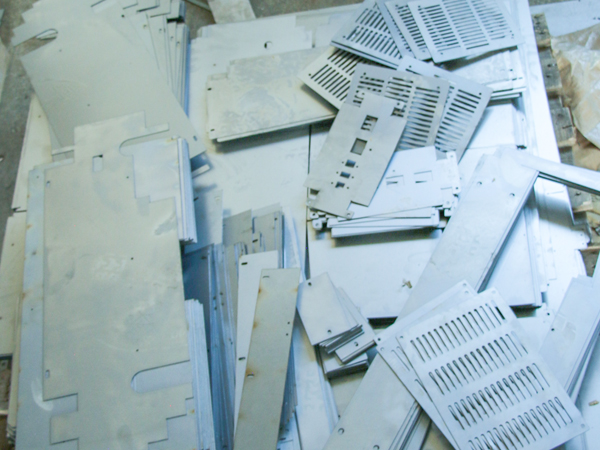
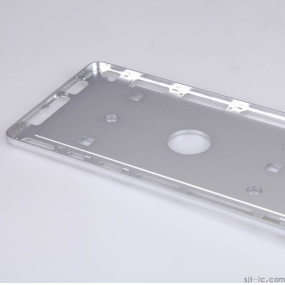
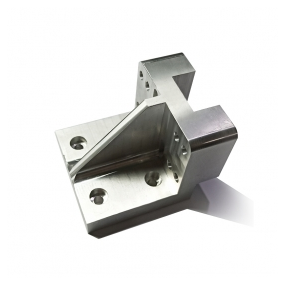
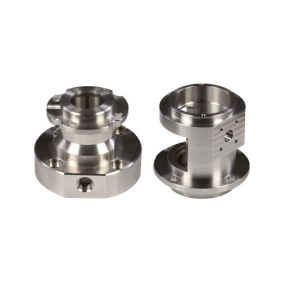
Precision plate is a steel processing technology that belongs to cold processing technology. It belongs to the steel manufacturing industry. According to the international definition of plate, precision plate is a more detailed cold processing technology. According to cutting, cutting, splicing and other processes, the final formation of precision plate, such as the crane-type thick steel plate shell we are familiar with, that is, according to the stamping process of precision plate. We will learn about the precision processing technology of plate.
1. The design department takes photos of the sheet metal parts according to the specified design plan, mainly in 3D, which is convenient for processing by the process unit and fully displays the actual structure of the sheet metal parts.
2. There are a variety of blanking methods for the photos of blanking parts. In fact, it can be divided into: cutting machine cutting, high-speed punching machine cutting, numerical control cutting, etc.
3. When riveting, pay attention to its direction. Plates can be riveted at high speed or hydraulically.
4. Welding should be firm. When welding, bumps should be placed on the welding surface to make contact with the surface of the bracket to ensure welding time and working pressure.
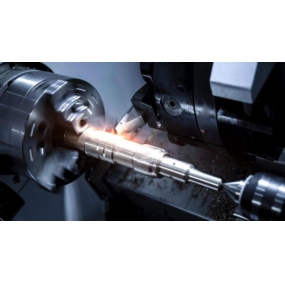
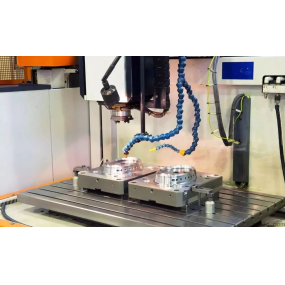
5. Sheet metal forming and processing: The key is the bending and stretching of sheet metal. The key to the sheet metal bending processing sequence is to first select the processing sequence, from the inside out, from small to large, first bend the individual state, and then bend the general shape.
6. Metal surface treatment: According to customer requirements, the original film is applied to the surface of the metal plate, which improves the adhesion of the spray paint. According to the actual operation of fiber laser cutting automation technology, the sheet metal processing process is further changed, the actual operation is maintained intelligently, and the labor cost is saved. Further improving productivity, increasing total output and manufacturing volume has a significant impact on the future development of the sheet metal industry.