CNC Aluminum Parts Batch Processing: How to Achieve High Quality, Low Cost, and Efficient Production
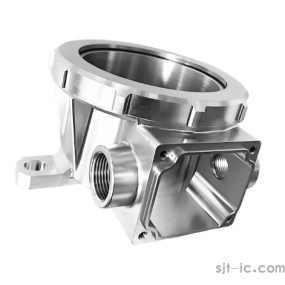
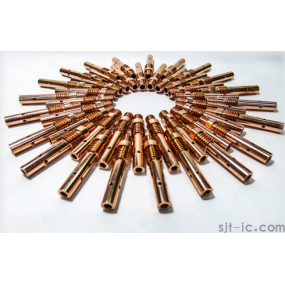
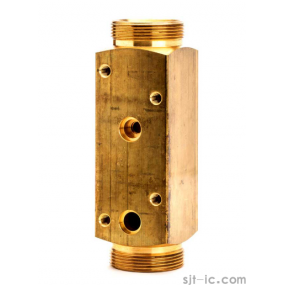
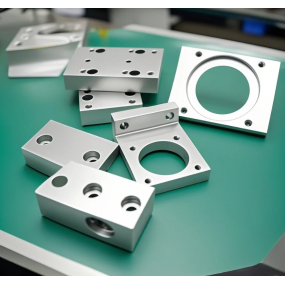
CNC Aluminum Parts Batch Processing is an important manufacturing solution for industries that need large quantities of accurate aluminum components. From automotive and aerospace parts to electronic housings and industrial equipment, companies often require stable production, consistent quality, and competitive pricing.
Many businesses have concerns before choosing a batch processing service. They may worry about high production costs, inconsistent part quality, slow delivery times, or problems with aluminum material handling. A reliable CNC Machining partner can solve these challenges through advanced equipment, professional production planning, and strict quality management.
Why CNC Aluminum Parts Batch Processing Is Important for Industries
Batch production allows manufacturers to produce many identical CNC aluminum parts with the same design standards. Compared with one-time machining, batch processing improves efficiency and reduces the average cost of each part.
The main advantage comes from economies of scale. When a CNC machine produces hundreds or thousands of similar aluminum parts, setup time, programming costs, and material preparation costs are shared across more products. This helps businesses achieve better pricing while maintaining reliable quality.
Standardized production is also important for industries that need replacement parts or large product volumes. A professional CNC machining manufacturer can repeat the same machining process many times, ensuring every batch meets the required specifications.
Factors Affecting Cost-Effectiveness in CNC Aluminum Batch Production
Cost-effectiveness in CNC aluminum batch production depends on several key factors, including material selection, machine usage, labor management, and production planning. Understanding these factors helps businesses reduce unnecessary expenses.
Material Selection and Aluminum Alloy Costs
The type of aluminum alloy directly affects the total production cost. Different aluminum materials have different prices, machining characteristics, and performance advantages.
- Aluminum 6061: A commonly used alloy with good strength, corrosion resistance, and excellent machinability. It is suitable for many industrial applications and helps control costs.
- Aluminum 7075: A high-strength alloy often used in aerospace and demanding applications. It provides better mechanical performance but usually has a higher material cost.
- Other aluminum alloys: Some projects may require specific properties such as better wear resistance or improved thermal performance.
Choosing the correct alloy prevents overpaying for unnecessary performance. A professional supplier can help customers select the most suitable aluminum material based on part requirements and budget.
CNC Machine Usage and Operating Costs
CNC machine hourly rates are another major factor affecting batch production costs. Machine type, machining complexity, cutting time, and maintenance requirements all influence the final price.
Manufacturers reduce machine costs by improving programming efficiency, selecting suitable cutting tools, and reducing idle time. When machines operate efficiently during batch production, the cost per part decreases significantly.
Labor Cost Optimization
Although CNC machines perform most machining operations automatically, skilled workers are still needed for programming, setup, inspection, and maintenance.
Experienced operators can reduce errors, improve production speed, and prevent material waste. Proper training and optimized workflows help manufacturers control labor costs while maintaining high-quality results.
How Manufacturers Maintain Quality Consistency in Aluminum Batch Processing
Quality consistency is one of the biggest concerns when ordering large quantities of CNC aluminum parts. A single defective part in a large batch can create production delays and additional costs. Professional manufacturers use strict systems to prevent these problems.
Quality control in aluminum parts batch production includes inspection at different stages of manufacturing, not only checking the final products.
In-Process Inspections
During machining, manufacturers inspect important dimensions and machining conditions. Operators check parts during production to identify problems early, such as tool wear, incorrect dimensions, or surface defects.
Early inspection prevents large numbers of defective parts from being produced and reduces material waste.
Statistical Process Control (SPC)
Statistical Process Control helps manufacturers monitor machining stability by collecting and analyzing production data. Important parameters such as cutting speed, tool condition, and dimensional changes are tracked during batch production.
If data shows a possible quality problem, adjustments can be made quickly. This keeps the entire production batch within required standards.
Final Product Testing
Before shipment, finished aluminum parts are tested according to customer requirements. Common inspection items include:
- Dimensional accuracy using precision measuring equipment
- Surface finish inspection to confirm appearance and function
- Hardness testing to verify material performance
- Final quality checks to confirm product specifications
These inspection methods help ensure that every batch delivers reliable performance.
Improving Production Efficiency in CNC Aluminum Batch Manufacturing
Production efficiency in CNC aluminum batch manufacturing determines delivery speed and overall cost. Efficient production requires careful planning, advanced equipment, and optimized machining processes.
Production Scheduling and Process Planning
Manufacturers create detailed production schedules before machining begins. They organize machine availability, material preparation, tool selection, and inspection procedures to avoid unnecessary delays.
Good planning allows multiple batches to move smoothly through production while reducing machine downtime.
Automation and CNC Optimization
Modern CNC factories use automation technologies to improve batch production efficiency. Automated tool changers reduce manual tool replacement time, while automatic loading systems help increase machine operation time.
CNC programming optimization also plays an important role. Engineers can adjust cutting paths, reduce unnecessary movements, and shorten cycle times while maintaining accuracy.
Proper Material Handling in CNC Aluminum Batch Processing
Aluminum is widely used because it is lightweight, corrosion-resistant, and easy to machine. However, proper handling is still necessary to protect material quality and reduce waste.
Material handling in aluminum batch production includes storage, transportation, loading, and waste management.
Safe Aluminum Material Storage
Aluminum materials should be stored in a clean and dry environment. Proper storage prevents contamination, scratches, and surface damage before machining begins.
Although aluminum has good corrosion resistance, poor storage conditions can still affect surface quality and machining results.
Efficient Loading and Unloading
Organized loading and unloading processes improve production speed and reduce handling damage. Manufacturers often use dedicated fixtures and clear material identification systems to ensure correct processing.
Reducing Material Waste
Efficient CNC programming helps maximize material usage by arranging cutting paths effectively. Reducing scrap aluminum lowers costs and supports more sustainable manufacturing practices.
Choosing the Right CNC Aluminum Parts Batch Processing Service
Finding a reliable supplier is important for companies that need stable batch production. Businesses should evaluate providers based on experience, quality systems, equipment capability, and cost management.
Choosing a batch processor for CNC aluminum parts requires careful consideration of the following points:
- Batch production experience: Select manufacturers that understand high-volume CNC machining and can manage repeated production orders.
- Quality management systems: Check whether the supplier has strong inspection procedures and professional quality control practices.
- Advanced CNC equipment: Modern machines and automation systems improve production speed and consistency.
- Cost management ability: A good supplier should optimize materials, machining time, and labor costs to provide competitive solutions.
- Technical support: Experienced engineers can help improve part design, material selection, and manufacturing efficiency.
EMAR’s Expertise in CNC Aluminum Parts Batch Processing
EMAR provides professional CNC machining solutions with experience in producing high-precision aluminum components for different industries. The company focuses on reliable batch production, strict quality inspection, and efficient manufacturing processes.
With advanced CNC equipment, skilled technicians, and systematic production management, EMAR helps customers achieve consistent aluminum parts while controlling manufacturing costs. Its experience in CNC aluminum parts batch processing allows businesses to receive dependable solutions for both medium and large production requirements.
Conclusion
CNC Aluminum Parts Batch Processing offers an effective way for industries to produce accurate aluminum components at competitive costs. By selecting the right aluminum alloy, optimizing machine usage, controlling labor expenses, and improving production planning, manufacturers can achieve better cost performance.
Strong quality control, efficient production methods, and proper material handling are essential for successful batch manufacturing. Working with an experienced CNC machining partner helps businesses reduce risks, maintain consistent quality, and achieve reliable long-term production results.