
CNC Aluminum Parts Machining Manufacturer: How to Choose the Right Partner for Precision Aluminum Components
Choosing the right CNC Aluminum Parts Machining Manufacturer is an important decision for companies that need accurate, reliable, and cost-effective aluminum components. Whether the parts are used in aerospace equipment, automotive systems, electronics, medical devices, or industrial machinery, the machining manufacturer directly affects product quality, delivery time, and overall production cost.
Many customers face common challenges when selecting a machining supplier. They may worry about inconsistent quality, limited machining capabilities, high production costs, or whether the manufacturer can meet strict tolerance requirements. A reliable CNC aluminum parts manufacturer should provide advanced equipment, skilled engineers, strong quality control systems, and flexible production solutions.
This article explains why aluminum is widely used for CNC Machining, what to consider when choosing a manufacturer, how CNC aluminum parts are produced, and how experienced suppliers like EMAR help customers achieve high-quality custom aluminum components.
Why Aluminum Is a Popular Material for CNC Machined Parts
Aluminum is one of the most commonly used materials in CNC machining because it offers an excellent balance between performance, cost, and machinability. Compared with many other metals, aluminum is easier to cut, lighter in weight, and suitable for complex part designs.
- Lightweight: Aluminum has a low density, making it ideal for industries where reducing weight is important, such as aerospace, robotics, and transportation.
- Good thermal conductivity: Aluminum transfers heat efficiently, which makes it suitable for heat sinks, electronic housings, and cooling components.
- Corrosion resistance: Aluminum naturally forms an oxide layer that helps protect the surface from corrosion.
- Excellent machinability: Aluminum can be processed at high cutting speeds, helping manufacturers achieve faster production and lower machining costs.
- Good strength-to-weight ratio: Aluminum parts can provide strong mechanical performance without adding unnecessary weight.
Because of these advantages, aluminum is often selected for precision CNC parts that require both durability and lightweight performance.
Important Aluminum Alloy Types in CNC Parts
Different applications require different aluminum properties. Understanding aluminum alloy types in CNC parts helps customers select the right material for their project.
6061 Aluminum
6061 aluminum is one of the most widely used CNC machining materials. It provides good strength, corrosion resistance, and weldability. It is commonly used for structural parts, machine frames, automotive components, brackets, and general industrial applications.
7075 Aluminum
7075 aluminum is known for its high strength and excellent fatigue resistance. It is often selected for aerospace parts, high-performance mechanical components, and applications where strength is more important than cost.
6063 Aluminum
6063 aluminum has good surface finishing characteristics and corrosion resistance. It is often used for decorative parts, profiles, electronic housings, and components requiring an attractive appearance.
A professional CNC aluminum parts machining manufacturer should have experience working with different aluminum alloys and understand how each material affects machining speed, tool selection, surface finish, and final performance.
What to Look for When Choosing a CNC Aluminum Parts Manufacturer
Choosing a CNC aluminum parts manufacturer requires careful evaluation. A supplier with advanced equipment but limited experience may not deliver the expected results. Customers should consider several key factors before making a decision.
Industry Experience and Technical Knowledge
Experience is one of the most important factors. A manufacturer with years of CNC machining experience understands material behavior, tolerance control, surface finishing, and production challenges.
An experienced supplier can help customers improve part designs, select suitable aluminum alloys, and avoid unnecessary machining costs. Companies like EMAR provide professional CNC machining solutions by combining engineering knowledge with modern manufacturing processes.
CNC Equipment Capabilities
The machining equipment directly affects production accuracy and efficiency. A capable manufacturer should have a range of CNC machines, including:
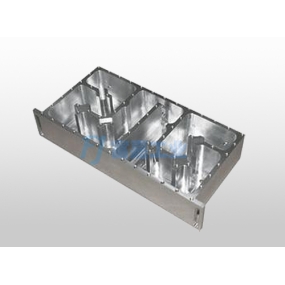
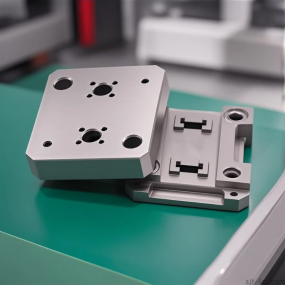
- CNC milling machines: Used for creating complex shapes, pockets, slots, holes, and precision surfaces.
- CNC turning machines: Suitable for producing round or cylindrical aluminum parts such as shafts, bushings, and connectors.
- Multi-axis CNC machines: Used for complicated geometries that require machining from multiple directions.
Customers should also check whether the manufacturer uses precision measuring equipment such as coordinate measuring machines (CMM), height gauges, micrometers, and optical inspection systems. These tools help maintain accurate dimensions and tight tolerances.
Range of Manufacturing Services
A reliable manufacturer should provide complete services instead of only basic machining. Useful services may include:
- Prototype CNC machining
- Small-batch and mass production
- Design optimization support
- Surface finishing such as anodizing, polishing, and coating
- Assembly and additional processing
A full-service supplier reduces communication problems and makes the entire manufacturing process easier for customers.
The Manufacturing Process of CNC Aluminum Parts
A professional CNC aluminum parts machining manufacturer follows a structured process to transform customer designs into finished components.
1. Understanding Customer Requirements
The process begins by reviewing the customer's requirements, including:
- Part dimensions and geometry
- Required tolerances
- Aluminum alloy selection
- Surface finish requirements
- Final application and operating environment
Understanding the end use of the part helps the manufacturer recommend the best machining method and material solution.
2. Design Review and Optimization
Before machining begins, engineers often review the CAD design. They may suggest improvements to reduce machining difficulty, improve strength, or lower production costs.
Design optimization can include adjusting wall thickness, improving tool accessibility, reducing unnecessary machining areas, and selecting more efficient manufacturing methods.
3. CNC Machining Operations for Aluminum Parts
The main machining operations for CNC aluminum parts include milling, turning, and drilling. Each process uses different tools and cutting strategies.
CNC Milling
CNC milling removes material using rotating cutting tools. It is commonly used for complex shapes, flat surfaces, grooves, and pockets.
For aluminum alloys such as 6061 and 6063, manufacturers usually use sharp carbide end mills with high cutting speeds and proper chip removal. Aluminum allows faster machining compared with harder metals, but correct feed rates and spindle speeds are still important to prevent tool wear and poor surface quality.
CNC Turning
CNC turning is used for cylindrical parts. During this process, the aluminum workpiece rotates while cutting tools remove material.
For materials like 6061 aluminum, carbide turning inserts are commonly used. Proper cutting speed and feed control help achieve smooth surfaces and accurate diameters.
CNC Drilling
Drilling creates accurate holes for screws, shafts, and assembly features. Aluminum drilling requires suitable drill geometry and effective chip removal because aluminum chips can stick to cutting tools if machining parameters are incorrect.
Quality Control in CNC Aluminum Parts Manufacturing
High-quality parts require strong inspection procedures. Professional suppliers use multiple quality control methods throughout production.
In-Process Inspection
During machining, technicians check important dimensions and machining conditions. Regular inspections help detect problems early and prevent large quantities of defective parts.
Final Product Testing
Before shipment, finished aluminum parts may receive several tests, including:
- Dimensional inspection: Checking measurements, tolerances, and geometry using CMM equipment and precision tools.
- Hardness testing: Confirming that the material meets required mechanical properties.
- Functional testing: Ensuring the part fits and performs correctly in its final application.
- Surface quality inspection: Checking appearance, coating quality, and finish requirements.
Strong quality control in CNC aluminum parts manufacturing helps manufacturers deliver consistent products and meet customer expectations.
Compliance with Industry Standards
Reliable CNC machining manufacturers follow recognized quality systems and production standards. Depending on the industry, customers may require suppliers to follow specific quality management practices, material certifications, and inspection documentation.
How CNC Aluminum Parts Manufacturers Control Costs
Customers often want high precision while keeping production costs reasonable. A professional manufacturer achieves cost-effectiveness in CNC aluminum parts production by improving efficiency without reducing quality.
- Efficient production planning: Optimizing machine schedules and production workflows reduces unnecessary downtime.
- Material utilization: Proper nesting and design optimization reduce aluminum waste.
- Advanced machining technology: Modern CNC equipment improves speed and reduces manual operations.
- Economies of scale: Larger production volumes usually reduce the cost per part.
- Engineering support: Design improvements can reduce machining time and manufacturing complexity.
The lowest price is not always the best choice. A manufacturer that focuses only on reducing costs may create quality issues. The best supplier balances price, accuracy, reliability, and long-term value.
Examples of Well-Known CNC Aluminum Parts Machining Manufacturers
The CNC machining industry includes many experienced companies that provide aluminum machining services for different markets.
- EMAR: Provides custom CNC machining solutions with experience in precision aluminum parts production, including prototype development, small-batch manufacturing, and complex component machining. The company focuses on quality control, engineering support, and flexible production solutions for industrial customers.
- Protolabs: Known for rapid prototyping and fast CNC machining services, especially for customers who need quick design validation.
- Xometry: Provides a digital manufacturing network that connects customers with CNC machining suppliers for different production requirements.
- Fictiv: Focuses on digital manufacturing solutions and helps companies manage prototype and production machining projects.
Each manufacturer has different strengths. Customers should select a supplier based on their specific requirements, including part complexity, production volume, tolerance needs, and delivery expectations.
Conclusion: Selecting the Right CNC Aluminum Parts Machining Manufacturer
A dependable CNC Aluminum Parts Machining Manufacturer should offer more than machining equipment. The right partner provides material knowledge, engineering support, advanced CNC technology, strict quality control, and competitive production costs.
When selecting a supplier, customers should evaluate experience, aluminum alloy capabilities, machining operations, inspection methods, and production reliability. A manufacturer with strong technical expertise can help transform an aluminum design into a high-performance finished part.
With professional CNC machining capabilities and customer-focused manufacturing solutions, EMAR helps businesses produce accurate, durable, and cost-effective aluminum components for a wide range of industries.