CNC Lighting Parts Machining: Precision, Design, and Quality for Modern Lighting Products
Lighting products today need more than just good illumination. Customers expect stylish designs, reliable performance, and perfect assembly between every component. For manufacturers, producing lighting parts with high accuracy and attractive finishes can be challenging. CNC Lighting Parts Machining provides an effective solution by combining precision manufacturing, flexible design options, and stable production quality.
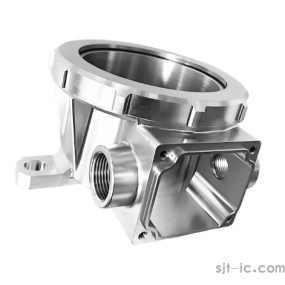
CNC Machining is widely used for lighting components such as lamp housings, heat sinks, brackets, connectors, reflectors, and decorative parts. With advanced CNC equipment and professional machining experience, companies like EMAR help lighting manufacturers create customized parts that meet strict requirements for appearance, performance, and durability.
Why CNC Machining Is Ideal for Lighting Parts
Lighting parts often require accurate dimensions because small errors can affect assembly, light direction, and product reliability. CNC machining uses computer-controlled processes to produce parts according to exact digital designs, helping manufacturers achieve consistent results from prototypes to mass production.
One major advantage of CNC machining is its ability to create complex shapes. Modern lighting products often include unique curves, fine details, and creative structures that are difficult to make with traditional manufacturing methods. CNC milling and turning allow engineers to produce attractive designs while maintaining high precision.
CNC machining also improves cost-effectiveness. Although the initial programming process requires engineering work, automated production reduces manual labor, decreases material waste, and provides stable quality for repeated orders. This makes CNC machining suitable for both small-batch custom lighting projects and large-scale production.
Design Considerations for CNC-Machined Lighting Parts
The design stage plays an important role in successful lighting part production. Before machining begins, engineers need to understand the function, installation requirements, and visual style of the lighting product.
Important design considerations for CNC-machined lighting parts include:
- Light distribution requirements: The shape and position of reflectors, covers, and housings influence how light spreads. Accurate machining helps maintain the intended lighting effect.
- Heat dissipation needs: LED lighting generates heat during operation. Designers must consider ventilation structures, heat sinks, and thermal paths to improve product lifespan.
- Aesthetic appearance: Lighting products are often part of interior or architectural design. Smooth surfaces, clean edges, and attractive shapes are important for the final appearance.
- Assembly requirements: Mounting holes, connection areas, and fitting dimensions must be accurately designed to prevent installation problems.
Professional CNC suppliers such as EMAR work closely with customers during the design phase to review drawings, optimize machining methods, and identify possible production issues before manufacturing starts.
Material Selection for Lighting Part CNC Machining
Choosing the right material affects lighting performance, appearance, weight, and manufacturing cost. Different lighting applications require different material properties.
Proper material selection for lighting part CNC machining helps ensure that parts can handle heat, environmental conditions, and design requirements.
- Aluminum: Aluminum is one of the most popular materials for CNC-machined lighting parts. It is lightweight, easy to machine, and provides excellent heat dissipation. Aluminum is commonly used for LED housings, heat sinks, frames, and structural components.
- Plastic materials: Engineering plastics provide excellent design flexibility. They are suitable for decorative covers, light guides, insulation parts, and components requiring complex shapes.
- Stainless steel: Stainless steel offers high strength and corrosion resistance. It is suitable for outdoor lighting fixtures and parts exposed to harsh environments.
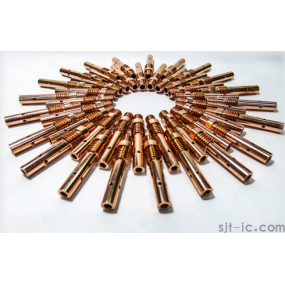
- Copper materials: Copper has excellent thermal conductivity and can be used in applications requiring efficient heat transfer.
CNC Machining Operations for Lighting Components
Different lighting parts require different machining methods. CNC manufacturers select suitable operations based on part geometry, material, and production requirements.
CNC Milling
CNC milling is widely used for creating complex lighting housings, grooves, mounting structures, and decorative features. Multi-axis CNC milling machines can produce detailed designs while maintaining accurate dimensions.
CNC Turning
CNC turning is suitable for round lighting components such as lamp rings, connectors, and cylindrical housings. It provides excellent dimensional accuracy and smooth surface quality.
Drilling and Threading
Precision drilling creates mounting holes, cable openings, and assembly points. Threading operations ensure secure connections between lighting components.
Specialized Machining Operations
Some lighting parts may require additional processes such as engraving, fine surface machining, or thin-wall machining. These operations help achieve unique designs and functional requirements.
Optimized Cutting Parameters for Lighting Materials
Correct machining parameters are important for maintaining accuracy and surface quality. CNC engineers adjust cutting speed, feed rate, and depth of cut according to the material and tool selection.
- Aluminum machining: Higher cutting speeds are commonly used because aluminum is soft and has good machinability. Sharp carbide tools, suitable feed rates, and proper lubrication help prevent tool wear and improve surface finish.
- Plastic machining: Lower cutting forces are needed to prevent melting or deformation. Proper spindle speed and sharp tools help achieve clean edges.
- Stainless steel machining: Controlled cutting speeds and stronger cutting tools are required because stainless steel is harder and generates more heat during machining.
Experienced CNC manufacturers carefully balance cutting speed, feed rate, and cutting depth to achieve efficient production while protecting part accuracy and appearance.
Common Challenges in CNC Lighting Parts Machining
Manufacturing lighting components requires careful control because appearance and performance are both important. Several challenges must be managed during production.
Maintaining Surface Finish
A smooth surface is essential for many lighting parts because it affects reflection, appearance, and product quality. Maintaining surface finish in lighting part CNC machining requires proper tool selection, stable machining conditions, and suitable cutting parameters.
Manufacturers may use finishing tools, fine milling methods, or additional polishing processes to achieve the required surface quality.
Preventing Material Warping
Thin lighting covers and lightweight components can deform during machining because of cutting forces or heat. Proper fixture design, controlled machining strategies, and suitable cutting conditions help reduce warping risks.
Ensuring Dimensional Accuracy
Lighting assemblies often contain multiple connected parts. Even small dimensional errors can create gaps, alignment problems, or installation failures. Accurate CNC programming and inspection procedures help maintain reliable fitting.
Post-Machining Processes for CNC-Machined Lighting Parts
After machining, additional treatments can improve appearance, durability, and performance. The right finishing method depends on the material and product requirements.
Common post-machining processes for CNC-machined lighting parts include:
- Anodizing: Commonly applied to aluminum parts, anodizing improves corrosion resistance and provides attractive surface colors and finishes.
- Surface polishing: Polishing creates a smoother surface and improves light reflection for decorative or optical components.
- Brushing and coating: These treatments can enhance appearance and provide additional protection.
- Cleaning and deburring: Removing machining marks and sharp edges improves safety and assembly quality.
Quality Control in Lighting Part CNC Manufacturing
Quality control is essential because lighting components must meet both mechanical and visual standards. Reliable manufacturers use inspection procedures throughout the production process.
Quality control in lighting part CNC manufacturing usually includes:
- Dimensional inspection: Measuring critical dimensions, holes, and assembly features with precision inspection equipment.
- Surface roughness testing: Checking whether the machined surface meets appearance and performance requirements.
- Material verification: Confirming that the selected material matches customer specifications.
- Photometric testing: Evaluating light distribution, brightness, and optical performance when required.
EMAR applies professional machining knowledge and quality management practices to support customers who need reliable CNC lighting components. From design support and material advice to precision machining and inspection, experienced CNC partners help reduce production risks and improve product quality.
Choosing the Right CNC Lighting Parts Machining Partner
A successful lighting project depends on more than machining equipment. Manufacturers should choose a CNC partner with strong engineering support, advanced production capabilities, and strict quality control systems.
The right supplier can help optimize designs, select suitable materials, reduce unnecessary costs, shorten production time, and deliver lighting parts that meet both functional and aesthetic goals.
With the growing demand for innovative lighting products, CNC Lighting Parts Machining provides manufacturers with the precision, flexibility, and reliability needed to create high-quality lighting solutions for residential, commercial, automotive, and industrial applications.