CNC Machining Copper Bushing: A Practical Guide for Better Performance and Lower Cost
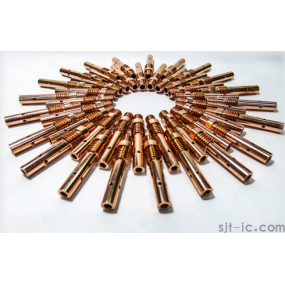
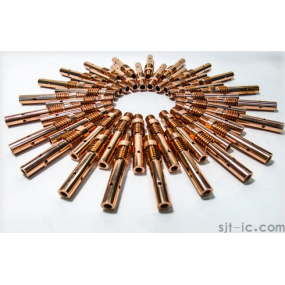
CNC Machining Copper Bushing is widely used in industries that need smooth movement, low friction, and long service life. Copper bushings are common in machines, automotive systems, pumps, and industrial equipment. However, many users face problems such as fast wear, poor accuracy, high cost, and unstable quality. This article explains how CNC machining solves these issues in simple terms.
Why Copper Bushings Need CNC Machining
Copper is a soft and conductive material, which makes it ideal for bushings. But without precise machining, copper bushings can easily become uneven or too loose, leading to machine vibration and early failure.
Precision control in CNC machining copper bushings ensures every part matches exact dimensions. This improves machine stability and reduces maintenance needs.
- Better fit between shaft and bushing
- Reduced friction and heat generation
- Longer service life of mechanical systems
Common Pain Points in Copper Bushing Production
Many manufacturers struggle with inconsistent quality when using traditional machining methods. Manual errors and unstable processes can cause serious performance issues.
Main problems include:
- Size variation between batches
- Surface roughness affecting lubrication
- High scrap rate and wasted material
- Slow production speed
CNC technology helps solve these issues by using computer-controlled precision cutting, ensuring every copper bushing meets the same standard.
Advantages of CNC Machining for Copper Bushings
The advantages of CNC machining for copper bushings are especially important for industries requiring high reliability and repeatability.
- High precision: Tight tolerance control for perfect fitting
- Consistency: Every bushing is identical in quality
- Efficiency: Faster production compared to manual machining
- Reduced waste: Optimized cutting paths save raw material
Material Selection for Copper Bushing CNC Machining
Material selection for copper bushing CNC machining is important because different copper alloys have different performance characteristics.
Common materials include:
- Pure copper: Excellent conductivity but softer
- Brass: Good strength and wear resistance
- Bronze: Best choice for high-load and high-friction environments
Choosing the right material depends on load conditions, lubrication, and working environment.
Precision Control in CNC Machining Copper Bushings
In modern manufacturing, precision is everything. Even a small error can cause system failure or noise during operation.
Precision control in CNC machining copper bushings is achieved through advanced programming, tool calibration, and real-time monitoring systems.
This ensures:
- Accurate inner and outer diameters
- Smooth surface finish for better lubrication
- Stable performance under high-speed rotation
Cost-Effective Methods for CNC Machining Copper Bushings
Many companies worry about production cost. However, CNC machining can actually reduce total manufacturing expenses when used correctly.
Cost-effective methods for CNC machining copper bushings include optimized tool paths, batch production, and efficient material usage.
- Reduce machining time with smart programming
- Use standard tooling where possible
- Improve yield rate to reduce scrap loss
These methods help balance quality and cost, especially for large-scale production.
Why Choose Professional CNC Machining Services
Working with an experienced supplier ensures better quality control and engineering support. A professional team understands how to handle copper materials, avoid deformation, and maintain tight tolerances.
:contentReference[oaicite:0]{index=0} provides CNC machining solutions for copper bushings with strict quality control, advanced CNC equipment, and experienced engineering support. Their services help customers achieve stable production quality while reducing overall cost.
Conclusion
CNC Machining Copper Bushing is essential for achieving high precision, durability, and cost efficiency in modern mechanical systems. By choosing the right materials, optimizing machining processes, and working with experienced manufacturers, companies can significantly improve product performance and reduce long-term maintenance costs.