CNC Machining Dust Removal Equipment Parts: Precision Solutions for Better Dust Control Systems
Dust removal equipment plays an important role in factories, workshops, and industrial environments where dust, particles, and harmful materials must be collected and filtered safely. The performance of this equipment depends heavily on the quality of its parts. Poorly made components can cause air leakage, low filtration efficiency, vibration problems, and difficult assembly.
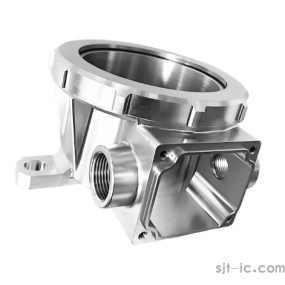
CNC Machining Dust Removal Equipment Parts provide a reliable solution because CNC machining can produce accurate, durable, and complex components that meet the demanding requirements of modern dust collection systems. From filter housings and connection parts to fan components and precision brackets, CNC machining helps manufacturers create parts with stable quality and excellent performance.
Why CNC Machining Is Suitable for Dust Removal Equipment Parts
Dust removal systems often require parts that must fit together precisely. Even a small dimensional error can create gaps, reduce airflow efficiency, or affect the overall operation of the equipment. CNC machining uses computer-controlled machines to produce parts according to exact digital designs, helping achieve consistent dimensions and reliable assembly.
One major advantage of CNC machining is high precision. Many dust removal components require tight tolerances to maintain proper sealing and airflow performance. CNC machines can repeatedly produce identical parts, which is especially important for manufacturers producing multiple units of dust collection equipment.
CNC machining is also suitable because it can create complex shapes. Dust collection systems often include specially designed air channels, curved surfaces, mounting structures, and customized connection areas. These complex geometries improve airflow movement and help the equipment collect dust more efficiently.
Benefits of CNC machining for dust removal parts include:
- High dimensional accuracy for proper fitting and assembly.
- Complex part designs for improved airflow and filtration performance.
- Stable repeatability for batch production.
- Flexible production for customized dust removal systems.
- Reduced risk of manufacturing defects compared with manual machining methods.
Design Considerations for CNC-Machined Dust Removal Parts
The design stage has a direct impact on the final performance of dust removal equipment. Engineers must understand the working conditions before creating CNC machining drawings. Good design considerations for CNC-machined dust removal parts help prevent problems during production and operation.
The first consideration is the type of dust being removed. Different dust materials have different characteristics. For example, metal dust, chemical particles, wood dust, and food-processing dust may require different shapes, materials, and surface treatments.
Airflow requirements are another important factor. The internal shape of parts such as ducts, connectors, and housings affects air movement. Smooth internal surfaces and optimized geometries can reduce airflow resistance and improve dust collection efficiency.
The operating environment must also be considered. Dust removal equipment may operate in factories with moisture, chemicals, high temperatures, or continuous vibration. The design should include suitable wall thickness, mounting structures, and sealing methods to ensure long-term reliability.
Important design factors include:
- Dust type and particle characteristics.
- Required airflow speed and pressure conditions.
- Equipment temperature and humidity levels.
- Connection methods with other system components.
- Maintenance and replacement requirements.
Material Selection for Dust Removal Equipment CNC Machining
Choosing the correct material is essential because dust removal parts often work under challenging conditions. The right material improves service life, reduces maintenance costs, and protects the equipment from damage.
Material selection for dust removal equipment CNC machining usually depends on durability, corrosion resistance, and heat resistance.
Common material options include:
- Stainless steel: Suitable for environments with moisture or corrosive dust. It provides excellent corrosion resistance and long-term durability.
- Aluminum: Lightweight and corrosion-resistant, making it useful for parts that require reduced weight.
- Carbon steel: Provides good strength and is suitable for general industrial applications when proper surface protection is added.
- Engineering plastics: Useful for lightweight components and applications requiring chemical resistance.
For high-temperature dust removal systems, materials with strong heat resistance are necessary. Engineers must consider whether the parts will experience continuous heat exposure or short-term temperature changes.
CNC Machining Process for Dust Removal Equipment Parts
The CNC machining process begins after the product design is completed and the material is selected. Manufacturers analyze the drawings, choose suitable machining methods, and develop production plans to achieve the required accuracy.
Turning Operations
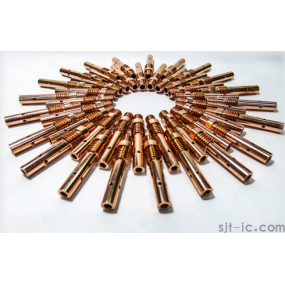
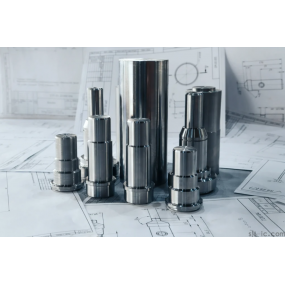
Turning is commonly used for producing round components such as shafts, connectors, and cylindrical housings. During turning, the workpiece rotates while cutting tools remove material to create the required shape.
Proper cutting speed, feed rate, and depth of cut must be selected according to the material. For harder materials such as stainless steel, slower cutting speeds and stronger cutting tools may be needed to maintain accuracy and reduce tool wear.
Milling Operations
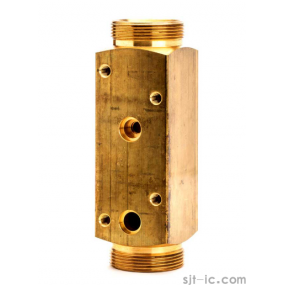
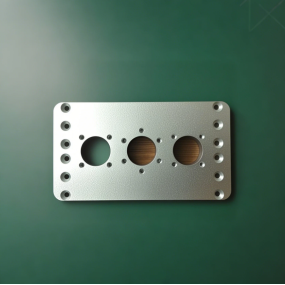
Milling operations in dust removal part production are important for creating complex surfaces, mounting holes, slots, and customized structures. CNC milling machines can produce detailed features that are difficult to achieve with traditional machining methods.
During milling, engineers select suitable tools based on material hardness and part geometry. Cutting parameters such as spindle speed, feed rate, and cutting depth are adjusted to balance machining efficiency and surface quality.
Welding and Assembly
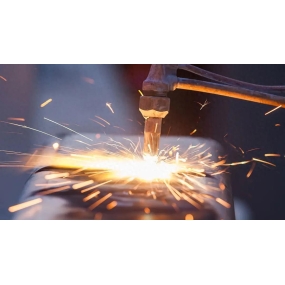
Some dust removal equipment parts require welding after machining. Welding can join larger structures or create sealed housings. Proper welding techniques are important because weak welds may cause air leakage or reduce structural strength.
After welding, additional machining may be required to ensure accurate dimensions and smooth assembly with other components.
Solving Common CNC Machining Challenges in Dust Removal Parts
Ensuring Airtightness
Ensuring airtightness in dust removal part CNC machining is one of the most important production challenges. Air leakage can reduce dust collection efficiency and allow harmful particles to escape.
To improve airtightness, manufacturers must maintain accurate dimensions, control surface quality, and carefully design connection areas. Sealing surfaces should be machined smoothly, and inspection should confirm that parts fit correctly before assembly.
Reducing Vibration Problems
Dust removal equipment often contains fans and moving components that create vibration. Poorly machined parts can increase vibration and noise.
CNC machining helps reduce vibration problems by maintaining accurate balance, consistent dimensions, and proper mounting positions. Correct tool selection and machining parameters also prevent excessive cutting force during production.
Maintaining Dimensional Accuracy
Accurate dimensions are necessary for smooth equipment assembly. CNC machines use programmed tool paths to maintain repeatable results. Regular measurement during production helps identify problems early and prevents incorrect parts from reaching final assembly.
Post-Machining Treatments for Dust Removal Parts
After machining, surface treatment can improve part performance and appearance. These processes protect parts from environmental damage and extend their service life.
- Surface coating: Provides additional corrosion protection, especially for parts exposed to moisture or chemicals.
- Painting: Improves appearance and adds another protective layer.
- Polishing: Creates smoother surfaces where airflow efficiency is important.
- Anodizing: Commonly used for aluminum parts to improve surface hardness and corrosion resistance.
Quality Control in Dust Removal Part CNC Manufacturing
Strict inspection is necessary to ensure CNC-machined parts meet dust removal equipment performance requirements. Quality control in dust removal part CNC manufacturing covers every stage from raw material inspection to final testing.
Common quality control methods include:
- Checking raw materials to confirm correct specifications.
- Using precision measuring tools to verify dimensions and tolerances.
- Inspecting surface quality and machining accuracy.
- Testing sealing performance to prevent air leakage.
- Checking assembly compatibility with the complete dust removal system.
Experienced CNC machining suppliers such as EMAR focus on precision manufacturing, process control, and customized solutions for dust removal equipment parts. By combining advanced CNC machining technology with professional engineering support, EMAR helps customers produce reliable components for different industrial dust collection applications.
Choosing the Right CNC Machining Partner
Reliable dust removal equipment requires reliable parts. A professional CNC machining partner should understand industrial applications, material performance, machining technology, and quality requirements.
From initial design analysis and material selection to machining, surface treatment, and inspection, a complete manufacturing process helps ensure that dust removal parts operate safely and efficiently. With proper CNC machining support, manufacturers can achieve better equipment performance, longer service life, and more stable production results.