CNC Parts Processing: A Complete Guide for Better Manufacturing Results
CNC Parts Processing is one of the most important methods in modern manufacturing. It helps produce precise, repeatable, and high-quality parts used in many industries such as automotive, aerospace, electronics, and medical equipment. For many companies and engineers, understanding how CNC works can solve problems like unstable quality, high production cost, and long delivery time.
What Is CNC Parts Processing?
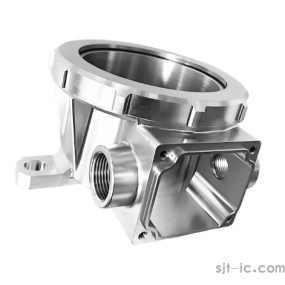
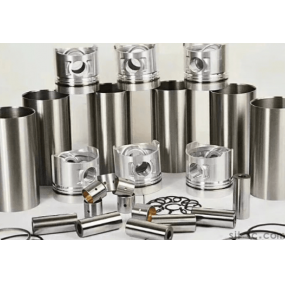
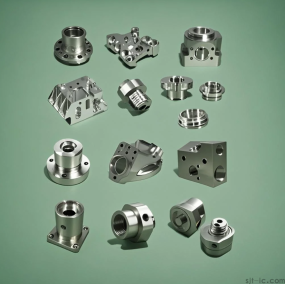
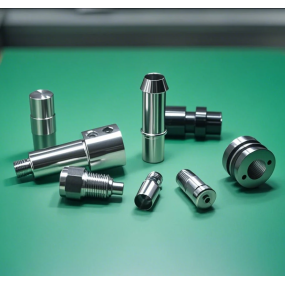
CNC Parts Processing means using computer-controlled machines to cut, shape, and finish raw materials into final parts. CNC stands for Computer Numerical Control. Instead of manual work, machines follow programmed instructions, which improves accuracy and consistency.
This method is especially useful when companies need many identical parts with tight tolerances and smooth surfaces.
Steps in CNC Parts Processing
Understanding the steps in CNC parts processing helps you see how raw materials become finished products. The process is usually simple but highly precise:
- Designing the part – Engineers create a 2D or 3D model using CAD software.
- Programming – The design is converted into CNC machine instructions (G-code).
- Material preparation – Raw materials are selected and fixed on the machine.
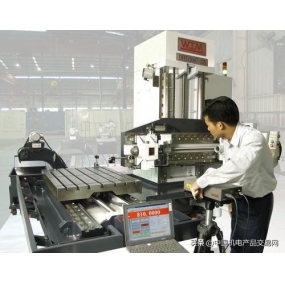
- Machining process – The CNC machine cuts, drills, or mills the material automatically.
- Finishing – Surface treatment such as polishing or coating is applied if needed.
- Inspection – Final parts are checked for accuracy and quality.
Materials Used in CNC Parts Processing
The materials used in CNC parts processing vary depending on the industry and product requirements. Common materials include:
- Aluminum – Lightweight and easy to machine, widely used in aerospace and electronics.
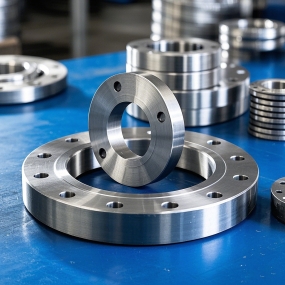
- Stainless steel – Strong and corrosion-resistant, suitable for medical and industrial parts.
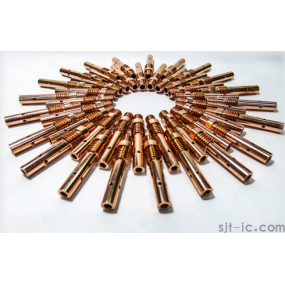
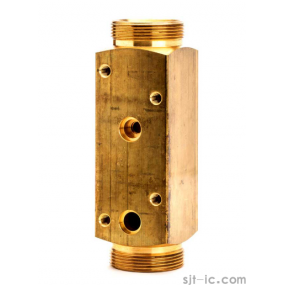
- Brass – Good for electrical components and decorative parts.
- Plastics (like ABS and POM) – Used for lightweight and cost-sensitive applications.
- Titanium – High strength and used in advanced engineering fields.
Choosing the right material is important for performance, cost, and durability.
Advantages of CNC in Parts Processing
The advantages of CNC in parts processing make it a preferred choice for many manufacturers:
- High precision and repeatability
- Fast production speed for both small and large batches
- Reduced human error
- Ability to create complex shapes
- Stable quality across all produced parts
These benefits help companies improve efficiency and reduce production risks.
Quality Control in CNC Parts Processing
Quality control in CNC parts processing is essential to ensure every part meets design requirements. Common quality checks include:
- Dimensional measurement using precision tools
- Surface roughness inspection
- Material hardness testing
- Full inspection for critical components
Strict quality control ensures that defective products are minimized and customer satisfaction is improved.
Cost-Effectiveness of CNC Parts Processing
The cost-effectiveness of CNC parts processing is one of its biggest advantages. While initial programming and setup may take time, CNC Machining becomes very efficient for medium and large production runs.
It reduces labor costs, material waste, and rework rates. In the long term, businesses save money by improving production stability and reducing errors.
Why Choose a Reliable CNC Partner?
Choosing the right manufacturing partner is important for achieving consistent results. A skilled provider can help optimize design, improve material selection, and ensure stable production quality.
For example, :contentReference[oaicite:0]{index=0} offers professional CNC Parts Processing services with a focus on precision, efficiency, and strict quality control. With advanced equipment and experienced engineers, EMAR supports customers from prototype development to mass production, helping reduce risk and improve overall manufacturing performance.
Conclusion
CNC Parts Processing plays a key role in modern manufacturing. By understanding its steps, materials, advantages, quality control, and cost benefits, businesses can make better production decisions. Working with a reliable partner also ensures higher efficiency and stable product quality.
Whether you are developing prototypes or scaling up production, CNC technology offers a practical and efficient solution for today’s industrial needs.