
CNC Precision Machining Manufacturer: How to Choose a Reliable Partner for High-Quality Parts
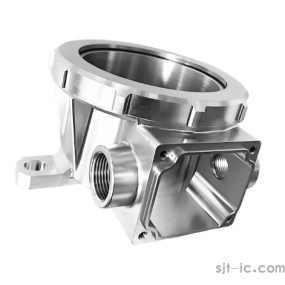
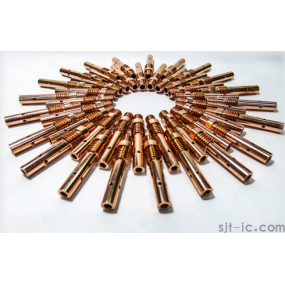
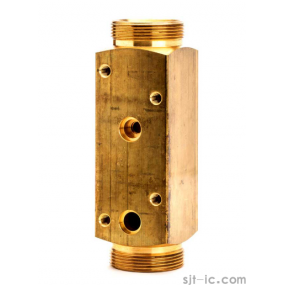
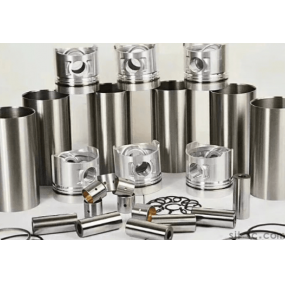
Choosing the right CNC Precision Machining Manufacturer is an important decision for companies that need accurate, durable, and reliable machined parts. A good manufacturer does more than operate CNC machines. They help customers improve designs, select suitable materials, control production quality, and deliver parts that meet strict requirements.
Many buyers face common concerns when searching for a machining partner. They may worry about inaccurate dimensions, poor surface finishes, unstable production quality, high costs, or delayed delivery. Working with an experienced CNC precision machining manufacturer can reduce these risks and provide better results for prototypes, small batches, and large-scale production.
What Makes a Good CNC Precision Machining Manufacturer?
A professional CNC Machining supplier should have strong technical capabilities, modern equipment, experienced engineers, and a complete quality management system. These factors determine whether a manufacturer can handle simple parts or complex components with tight tolerances.
Advanced Equipment for High Precision Machining
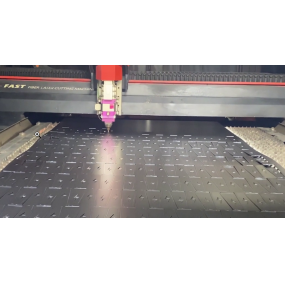
The equipment of a good CNC precision manufacturer directly affects machining accuracy, production efficiency, and part consistency. Modern CNC equipment allows manufacturers to produce complex geometries while maintaining strict dimensional control.
A reliable manufacturer usually invests in different types of advanced machines, including:
- 3-axis, 4-axis, and 5-axis CNC machining centers: These machines can process complex shapes from multiple angles. 5-axis CNC machines reduce the need for repeated setups and improve accuracy for parts with curved surfaces or complicated features.
- CNC turning centers: These machines are suitable for producing round parts such as shafts, pins, and precision fittings. They provide high rotational accuracy and stable cutting performance.
- CNC milling machines: Milling equipment uses rotating cutting tools to remove material and create slots, pockets, holes, and complex surfaces.
- CNC grinding machines: Grinding machines achieve extremely smooth surfaces and tight tolerances for parts requiring high dimensional accuracy.
- Electrical Discharge Machining (EDM) machines: EDM uses electrical sparks to remove hard materials and create small, detailed features that traditional cutting tools cannot easily produce.
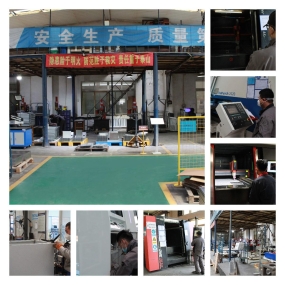
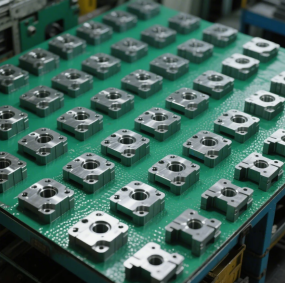
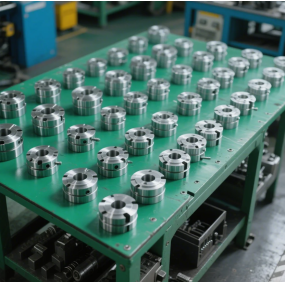
EMAR focuses on advanced machining technology and uses professional CNC equipment to support different customer requirements, from precision prototypes to production parts. Its machining capabilities allow customers to receive stable quality parts for industries with demanding performance standards.
Skilled Engineers and Technicians for Complex Projects
Machines alone cannot guarantee success. Experienced engineers and operators are essential for solving difficult machining challenges. A skilled CNC team understands how design details, material properties, and machining methods affect the final product.
A professional CNC precision machining manufacturer should have experts who can:
- Review customer drawings and identify possible manufacturing problems.
- Suggest design improvements to reduce machining difficulty and cost.
- Select suitable tools and cutting methods for different materials.
- Create efficient CNC programs for accurate production.
- Control machining conditions during complex operations.
EMAR works closely with customers during every stage of production. Its engineering team helps transform ideas and drawings into practical manufacturing solutions while considering performance, budget, and production efficiency.
Design-to-Production Process of a CNC Precision Machining Manufacturer
A reliable machining manufacturer follows a clear process from initial design discussion to final delivery. This process helps prevent mistakes and ensures the finished parts meet customer expectations.
1. Customer Design Review and Requirement Analysis
The process starts with communication between the customer and the manufacturer. Engineers need to understand the part's intended application, operating environment, performance requirements, and production goals.
Important factors include:
- The purpose and working conditions of the part.
- Required tolerances and dimensional accuracy.
- Surface finish requirements.
- Material preferences and expected service life.
- Production quantity and delivery schedule.
For example, a part used in aerospace equipment may require extremely tight tolerances, while a consumer product component may focus more on appearance and cost efficiency.
2. Material Selection for Different Applications
Material selection in CNC precision machining plays an important role in part performance. The right material must match the working environment and mechanical requirements.
- Aluminum alloys: Lightweight and easy to machine, making them suitable for aerospace, electronics, and automotive components.
- Stainless steel: Provides corrosion resistance and strength for medical equipment, food processing equipment, and outdoor applications.
- Titanium alloys: Offer excellent strength-to-weight ratio and heat resistance for aerospace and high-performance applications.
- Engineering plastics: Used when low weight, electrical insulation, or chemical resistance is needed.
- Heat-resistant materials: Materials such as special alloys are selected for high-temperature environments where normal metals may lose strength.
A professional manufacturer evaluates material properties such as hardness, thermal expansion, corrosion resistance, and machinability before production begins.
Main CNC Machining Operations and Cutting Considerations
Different machining operations are selected according to part design, material type, and accuracy requirements. Proper tools and cutting parameters are important for achieving high-quality results.
CNC Turning
CNC turning is commonly used for cylindrical components. A cutting tool removes material while the workpiece rotates.
Important machining factors include:
- Cutting speed: Adjusted according to material hardness and tool type.
- Feed rate: Controls how quickly the cutting tool moves along the workpiece.
- Depth of cut: Determines how much material is removed in each pass.
Proper parameter control helps improve surface quality and extend tool life.
CNC Milling
CNC milling uses rotating tools to create complex shapes, holes, pockets, and surfaces. Different end mills, drills, and specialized cutters are selected depending on the feature being machined.
Manufacturers optimize spindle speed, feed rate, and cutting depth to balance production speed and accuracy.
CNC Grinding
Grinding is used when extremely tight tolerances and smooth surfaces are required. Fine abrasive wheels remove small amounts of material to achieve precise dimensions.
Electrical Discharge Machining (EDM)
EDM is ideal for hard materials and detailed features such as narrow slots, deep cavities, and complex shapes. Because EDM does not require direct cutting force, it can machine delicate parts with high accuracy.
Solving Common CNC Machining Challenges
Even experienced manufacturers face technical challenges during production. A strong manufacturer uses engineering knowledge and process control to overcome these problems.
Handling Thermal Distortion
Handling thermal distortion in CNC precision manufacturing is important because machining generates heat that can affect part dimensions. Manufacturers reduce thermal problems by:
- Using proper cutting speeds and feed rates.
- Applying suitable cooling methods.
- Optimizing tool paths to reduce unnecessary heat.
- Allowing proper cooling time during machining.
- Using temperature monitoring when needed.
Reducing Tool Wear
Tool wear can reduce accuracy and increase production costs. Manufacturers manage tool life by selecting suitable cutting tools, adjusting machining parameters, monitoring tool conditions, and replacing tools before quality problems occur.
Maintaining Consistent Quality Across Batches
For large production orders, consistency is essential. Manufacturers use standardized processes, CNC program control, machine calibration, and inspection systems to ensure every batch meets the same requirements.
Post-Machining Services for Better Performance
A complete CNC precision machining manufacturer may provide additional services after machining to improve part performance and appearance.
- Heat treatment: Improves hardness, strength, and wear resistance of metal parts.
- Surface coating: Provides protection against corrosion, friction, or environmental damage.
- Anodizing and finishing: Improves aluminum appearance and surface durability.
- Assembly services: Allows customers to receive finished components ready for use.
These additional processes help customers reduce supplier coordination and improve overall production efficiency.
Quality Control in CNC Precision Machining Manufacturers
Quality control in CNC precision machining manufacturers is one of the most important factors when choosing a supplier. A trustworthy manufacturer should have inspection systems throughout the entire production process.
In-Process Inspection
During machining, operators check important dimensions and machining conditions. This helps identify problems early and prevents defective parts from continuing through production.
Final Product Testing
Before shipment, finished parts are inspected using professional measurement equipment such as:
- Coordinate Measuring Machines (CMM).
- Precision calipers and micrometers.
- Surface roughness testers.
- Hardness testing equipment.
Manufacturers also follow industry standards and customer specifications to ensure reliable performance.
Why EMAR Is a Reliable CNC Precision Machining Manufacturer
Finding the right machining partner requires more than comparing prices. Customers need a manufacturer that understands their challenges and provides dependable solutions.
EMAR stands out through its customer-focused approach, advanced machining capabilities, experienced technical team, and strict quality control process. The company supports different industries by providing precision parts with reliable performance, whether customers need prototypes, customized components, or high-volume production.
By combining modern CNC technology, professional engineering support, careful material selection, and complete inspection procedures, EMAR helps customers reduce manufacturing risks and achieve better product results.
When choosing a CNC precision machining manufacturer, companies should look for a partner that can provide not only accurate machining but also technical support, stable quality, and long-term cooperation. A capable manufacturer can turn complex designs into reliable products while helping customers save time and improve efficiency.