
CNC Steel Custom Machining Process: A Complete Guide from Design to Quality Control
The CNC Steel Custom Machining Process is widely used to produce accurate, durable, and complex steel parts for industries such as automotive, aerospace, medical equipment, automation, and industrial machinery. However, many customers have questions before starting a project: How does the process work? How can they ensure part quality? Is custom machining cost-effective for their application?
A clear understanding of each machining stage helps customers make better decisions. From design communication and steel material selection to precision machining and final inspection, every step affects the performance, cost, and reliability of the finished part. Experienced manufacturers such as EMAR provide professional CNC steel custom machining services by combining advanced equipment, skilled technicians, and strict quality control systems.
Why CNC Machining Is Ideal for Custom Steel Parts
Steel is a popular material for custom machining because it offers excellent strength, durability, and versatility. CNC machining makes it possible to create steel components with complex shapes, tight tolerances, and consistent quality.
Compared with traditional machining methods, CNC technology uses computer-controlled machines to achieve high accuracy and repeatability. This is especially important for custom steel parts that must fit perfectly with other components.
- High precision for complex geometries: CNC machines can produce detailed features such as deep holes, precise threads, curved surfaces, slots, and complex internal structures.
- Ability to process different steel grades: CNC equipment can handle carbon steel, alloy steel, stainless steel, and other steel materials according to different application needs.
- Efficient production: CNC machining reduces manual errors and improves production speed, making it suitable for both small-batch prototypes and large-volume manufacturing.
- Flexible customization: Customers can create unique designs without requiring expensive molds or special tooling.
For companies that need reliable steel components with specific performance requirements, CNC machining provides a practical balance between quality, flexibility, and production efficiency.
Design Phase: The Foundation of Successful CNC Steel Machining
Good results begin with a clear design process. Many machining problems happen because the manufacturer does not fully understand the customer's requirements. Effective communication between the customer and machining supplier is essential before production begins.
Important Design Considerations for CNC-Machined Steel Parts
The customer should provide complete information about the part and its working environment. This helps engineers choose the correct machining method, material, and production parameters.
- Intended use: Explain where the part will be installed and what functions it must perform.
- Mechanical requirements: Define the required strength, hardness, wear resistance, load capacity, and operating conditions.
- Design features: Provide details about dimensions, tolerances, holes, threads, surface requirements, and special structures.
- Assembly requirements: Explain how the part connects with other components to ensure proper fit and function.
Detailed drawings, 3D CAD models, and technical specifications allow manufacturers to evaluate machining difficulty and provide a more accurate quotation. At EMAR, engineers work closely with customers during the design review stage to identify possible improvements and reduce unnecessary manufacturing costs.
Steel Material Selection for Custom Machining
Choosing the correct steel grade is one of the most important decisions in the CNC steel custom machining process. Different steel materials provide different combinations of strength, hardness, corrosion resistance, machinability, and cost.
Common Steel Types Used in CNC Machining
- Carbon steel: Carbon steel is affordable and offers good strength and machinability. It is suitable for general mechanical parts, shafts, brackets, and structural components.
- Alloy steel: Alloy steel contains additional elements such as chromium, nickel, or molybdenum. It provides higher strength, better toughness, and improved wear resistance for demanding applications.
- Stainless steel: Stainless steel offers excellent corrosion resistance and a clean appearance. It is commonly used in food equipment, medical devices, chemical equipment, and outdoor applications.
When selecting steel, engineers must consider:
- Required mechanical strength and load conditions
- Hardness and wear resistance requirements
- Exposure to moisture, chemicals, or high temperatures
- Machining difficulty and production cost
Professional manufacturers can help customers choose a steel grade that meets performance needs without increasing costs unnecessarily.
Main Machining Operations in CNC Steel Custom Machining
Steel machining requires proper tools, cutting parameters, and production methods to achieve accurate dimensions and smooth surfaces.
CNC Turning
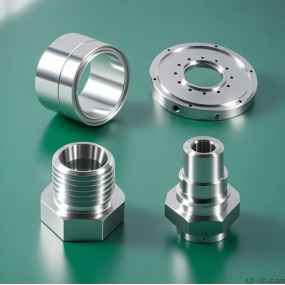
CNC turning is mainly used for round steel parts such as shafts, pins, bushings, and cylindrical components. The workpiece rotates while cutting tools remove material to create precise diameters, grooves, and threads.
CNC Milling
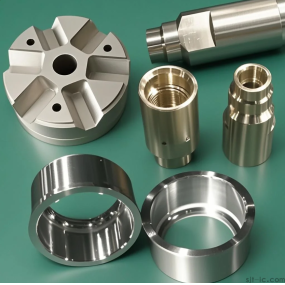
CNC milling uses rotating cutting tools to remove material from steel blocks or plates. It is suitable for producing complex shapes, flat surfaces, pockets, and detailed features.
CNC Drilling
Drilling creates accurate holes for assembly and fastening. Proper drill selection and cutting parameters are important to prevent tool damage and maintain hole accuracy.
Grinding
Grinding is used when extremely tight tolerances and high surface finishes are required. It improves dimensional accuracy after other machining operations.
Managing Challenges in Steel CNC Machining
Steel provides excellent performance, but it can also create machining challenges. Proper process control is necessary to maintain quality.
Handling Work-Hardening in Steel CNC Machining
Some steel materials become harder during machining because the surface is strengthened by cutting pressure and heat. This condition, known as work-hardening, can reduce tool life and affect machining accuracy.
Effective methods for handling work-hardening in steel CNC machining include:
- Using sharp and suitable cutting tools
- Selecting proper cutting speeds and feed rates
- Avoiding repeated cutting on the same hardened surface
- Applying suitable cooling methods to control heat
Maintaining Dimensional Accuracy
Steel parts often require strict tolerances. Factors such as tool wear, machine vibration, temperature changes, and incorrect cutting parameters can affect accuracy.
Manufacturers maintain precision by using:
- Stable CNC equipment with high positioning accuracy
- Regular tool inspection and replacement
- Real-time measurement during machining
- Professional programming and process optimization
Achieving Good Surface Finish
A smooth surface improves appearance, reduces friction, and increases part performance. Proper tool selection, cutting conditions, and finishing operations help achieve the required surface quality.
Post-Machining Processes for CNC-Machined Steel Parts
After machining, additional treatments may be required to improve the performance or appearance of steel components.
Heat Treatment
Heat treatment changes the internal structure of steel to improve properties such as hardness, strength, and toughness. Common processes include hardening, tempering, and annealing.
Surface Treatment
Surface treatments protect steel parts from corrosion and improve their appearance. Options may include coating, polishing, plating, and other protective finishing methods.
The correct post-machining process depends on the final application. For example, industrial components may require high wear resistance, while decorative parts may need a smoother appearance.
Quality Control in Steel Custom Machining
Quality control is essential because even small dimensional errors can affect assembly performance and product safety. Reliable CNC manufacturers use inspection systems throughout the entire production process.
Quality Control in Steel Custom Machining
- In-process inspections: Measurements are taken during machining to detect problems early and prevent waste.
- Final product testing: Finished parts are checked for dimensions, surface finish, strength, and functional requirements.
- Industry standards: Professional manufacturers follow strict quality procedures and customer specifications.
Advanced inspection equipment, experienced quality engineers, and detailed inspection reports help ensure that every steel component meets customer expectations.
How to Improve Cost Efficiency in CNC Steel Custom Machining
Custom machining does not have to be expensive when the process is planned correctly. Several factors can help reduce unnecessary costs:
- Choosing a suitable steel grade instead of over-specifying material performance
- Optimizing part design for easier machining
- Reducing unnecessary complex features
- Selecting appropriate production quantities
- Working with an experienced machining supplier
EMAR supports customers from initial design analysis to final production, helping optimize machining methods while maintaining quality. With advanced CNC equipment and professional manufacturing experience, EMAR provides customized steel machining solutions for different industries and applications.
Conclusion
The CNC Steel Custom Machining Process involves multiple important stages, including design communication, material selection, precision machining, post-processing, and quality inspection. Understanding these steps helps customers avoid common problems related to quality, cost, and production delays.
With the right design approach, suitable steel materials, advanced CNC technology, and strict quality management, custom steel parts can achieve excellent performance and long service life. Choosing an experienced CNC machining partner like EMAR can help businesses create reliable steel components that meet their exact requirements.