Hardware Stamping Electronic Metal: A Complete Guide for Electronic Metal Components
Electronic products depend on many small metal parts to work properly. From connectors and terminals to shielding covers and contact springs, these components need high accuracy, good electrical performance, and stable production quality. Hardware stamping electronic metal is a manufacturing method that uses stamping machines and specially designed molds to produce large quantities of metal electronic parts with consistent size and shape.
This process is widely used in industries such as consumer electronics, automotive electronics, communication equipment, medical devices, and industrial control systems. Understanding the materials, stamping steps, design requirements, quality checks, and cost factors can help companies choose the right manufacturing solution.
What Is Hardware Stamping Electronic Metal?
Hardware stamping electronic metal refers to the process of forming metal sheets into electronic components through pressure from stamping equipment. A metal sheet is placed between a set of molds, and the machine applies force to cut, shape, or bend the material into the required part.
Compared with manual machining methods, stamping is suitable for high-volume production because it provides:
- Fast production speed for large quantities
- Stable part dimensions
- Lower material waste
- Consistent product quality
- Reduced manufacturing costs for mass production
For example, a smartphone charging connector may contain small stamped metal contacts. Millions of these contacts can be produced with the same size and electrical performance through a well-designed stamping process.
Types of Metals for Hardware Stamping Electronic Components
Choosing the correct material is one of the most important steps in electronic Metal Stamping. Different metals provide different levels of conductivity, strength, corrosion resistance, and flexibility.
Copper Materials
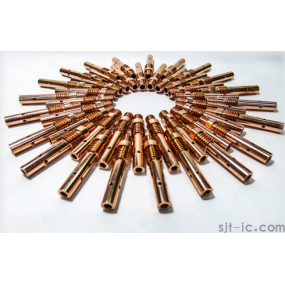
Copper is one of the most common materials used for electronic stamping parts because it has excellent electrical conductivity. It allows electrical signals and current to pass efficiently.
Common advantages of copper include:
- High conductivity: Suitable for terminals, connectors, and electrical contacts.
- Good flexibility: Easy to bend into complex shapes without breaking.
- Reliable performance: Maintains stable electrical connections over time.
For example, copper stamping parts are often used in battery contacts, circuit connectors, and power supply components.
Aluminum Materials
Aluminum is another popular option for electronic metal components. It is lightweight and has good heat dissipation performance.
The main benefits of aluminum include:
- Light weight for portable electronic products
- Good resistance to corrosion
- Effective heat management
- Lower material cost compared with some other metals
Aluminum stamping parts are commonly used for electronic housings, heat-related components, and structural supports.
Other Common Metals
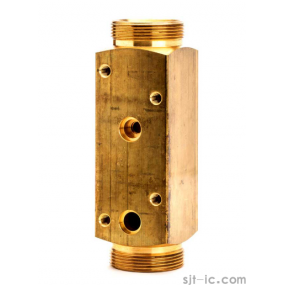
Besides copper and aluminum, manufacturers may also use stainless steel, brass, and nickel-plated metals depending on the application. Stainless steel provides high strength, while brass offers good conductivity and corrosion resistance.
Stamping Processes in Hardware Stamping Electronic Metal
The stamping processes in hardware stamping electronic metal usually include several important steps. Each step affects the final quality and performance of the electronic component.
1. Material Preparation
The first step is selecting suitable metal sheets and preparing them for stamping. The material thickness, surface condition, and hardness must match the product requirements.
2. Blanking
Blanking cuts the metal sheet into basic shapes. This creates the initial piece that will be processed further.
Accurate blanking is important because incorrect cutting can affect later forming steps and final dimensions.
3. Punching
Punching creates holes, slots, or openings in the metal part. These openings may be used for assembly, electrical connections, or product installation.
For example, a connector terminal may require precise holes to fit correctly with other electronic components.
4. Forming and Bending
During forming, the metal is shaped into three-dimensional structures. Bending operations create angles, curves, or contact areas required for the final application.
5. Surface Treatment
After stamping, some electronic metal parts receive additional treatments such as plating or coating. These treatments can improve conductivity, corrosion resistance, and product appearance.
Design Requirements for Hardware Stamping Electronic Metal
Good design is essential for producing reliable electronic stamping parts. The design requirements for hardware stamping electronic metal should consider both manufacturing needs and electronic performance.
Size Precision
Electronic components are often very small, so accurate dimensions are necessary. A small size error may prevent proper assembly or create poor electrical contact.
Designers should consider:
- Material thickness
- Required tolerances
- Bending angles
- Connection positions
Electrical Conductivity Requirements
The material and surface treatment must meet electrical requirements. Components that carry current need materials with good conductivity and stable contact performance.
Part Shape and Production Feasibility
Complex shapes may increase mold difficulty and production costs. A practical design balances product performance with manufacturing efficiency.
For example, a connector designed with smooth bends and suitable material thickness can reduce cracking problems during stamping.
Quality Control of Hardware Stamping Electronic Metal
Quality control is essential because electronic components must work reliably in demanding environments. The quality control of hardware stamping electronic metal includes inspections throughout the production process.
Material Inspection
Before production begins, manufacturers check metal thickness, hardness, and surface quality. Poor material quality can lead to cracks, deformation, or unstable performance.
Dimensional Inspection
Precision measuring tools are used to confirm that stamped parts meet design specifications. Important measurements include length, width, hole position, and bending size.
Appearance Inspection
Visual checks help identify defects such as:
- Scratches
- Cracks
- Surface damage
- Uneven edges
- Deformation
Performance Testing
For electronic parts, manufacturers may test conductivity, contact reliability, and durability to ensure the components meet application requirements.
How to Achieve Cost-Efficient Hardware Stamping of Electronic Metal
The cost-efficient hardware stamping of electronic metal depends on smart planning, suitable materials, and efficient production methods.
- Choose the right material: Avoid using expensive metals when standard materials can meet performance requirements.
- Optimize part design: Simple and practical designs reduce mold costs and production problems.
- Use automated production: Automated stamping improves speed and reduces labor costs.
- Plan production volume: Large quantities usually reduce the cost per part.
For example, a company producing thousands of electronic terminals each month can save significant costs by using precision stamping instead of individual machining.
Choosing a Reliable Hardware Stamping Partner
A professional manufacturer can help improve product quality, reduce development time, and control production costs. When selecting a supplier, companies should consider experience, equipment capability, quality systems, and engineering support.
EMAR provides hardware stamping services for electronic metal components, supporting customized designs and different production requirements. With experience in precision metal processing, EMAR helps customers develop reliable stamped parts for electronics applications, including connectors, terminals, brackets, and other customized metal components.
A capable stamping partner can support the entire process, from material selection and mold development to production inspection and delivery. This reduces communication problems and helps ensure stable product performance.
Practical Tips for Successful Electronic Metal Stamping Projects
- Provide complete product drawings and technical requirements before production.
- Select materials based on conductivity, strength, and environmental conditions.
- Test prototypes before moving to large-scale production.
- Work with manufacturers that have strong quality inspection systems.
- Consider future production volume when designing stamping molds.
Conclusion
Hardware stamping electronic metal is an important manufacturing technology for producing reliable electronic components. By understanding the types of metals for hardware stamping electronic components, stamping processes, design requirements, quality control methods, and cost-saving strategies, companies can make better decisions for their products.
Whether producing small connectors or larger electronic metal structures, choosing the right material, design approach, and manufacturing partner is the key to achieving high-quality results. Professional suppliers such as EMAR can provide customized hardware stamping solutions to meet the changing needs of the electronics industry.