Shielding Cover Sheet Metal Processing and Production: Materials, Design, Manufacturing, and Quality Control Guide
Shielding covers are important sheet metal parts used to protect electronic equipment, electrical systems, and sensitive components from electromagnetic interference (EMI), physical damage, dust, and environmental effects. The process of shielding cover sheet metal processing and production requires careful planning, suitable materials, accurate manufacturing methods, and strict quality inspection.
For companies developing electronic devices, industrial equipment, communication systems, or control cabinets, a well-made shielding cover can improve product reliability and service life. This guide explains the key steps involved, including material selection, design, manufacturing, surface treatment, and quality control.
What Is Shielding Cover Sheet Metal Processing and Production?
Shielding cover sheet metal processing and production refers to the complete manufacturing process of creating metal covers that provide protection and shielding functions. The process usually starts with selecting sheet metal materials, then continues through cutting, bending, stamping, welding, finishing, and inspection.
A shielding cover is not only a protective shell. Its structure must also control electromagnetic signals. Small design details, such as gaps, openings, connection points, and material thickness, can influence shielding performance.
Common applications include:
- Electronic device housings
- Industrial control cabinets
- Communication equipment enclosures
- Medical equipment covers
- Automotive electronic components
- Power supply protection covers
Material Selection for Shielding Cover Sheet Metal Production
Choosing the correct material is one of the most important steps in shielding cover manufacturing. Different metals provide different levels of shielding ability, strength, corrosion resistance, and processing difficulty.
Common Materials Used for Shielding Covers
- Aluminum: Aluminum is lightweight, corrosion-resistant, and easy to process. It provides good electromagnetic shielding performance and is widely used in electronic equipment where weight reduction is important.
- Stainless Steel: Stainless steel offers excellent strength, durability, and corrosion resistance. It is suitable for harsh environments such as factories, outdoor equipment, and medical applications.
- Cold Rolled Steel: Cold rolled steel has good mechanical strength and is cost-effective. It is often used for industrial equipment covers and control cabinet structures.
- Copper: Copper provides excellent electromagnetic shielding because of its high electrical conductivity. However, it is more expensive and requires careful handling.
- Galvanized Steel: Galvanized steel has a protective zinc coating that improves corrosion resistance and extends service life.
When considering material selection for shielding cover sheet metal production, manufacturers should evaluate the working environment, required shielding level, mechanical strength, budget, and production volume. For example, a lightweight aluminum cover may be suitable for portable electronic equipment, while stainless steel may be better for industrial machines exposed to moisture and chemicals.
Design Aspects in Shielding Cover Sheet Metal Processing
Good design directly affects both manufacturing efficiency and shielding performance. Before production begins, engineers need to consider the shape, size, assembly method, and component requirements.
Important Shielding Cover Design Factors
- Shape and Structure: The cover should have enough strength to prevent deformation. Simple shapes are usually easier and more economical to manufacture.
- Size Accuracy: The dimensions must match the protected equipment. Incorrect sizes may cause installation problems or create unwanted gaps.
- Openings and Ventilation: Holes for cables, connectors, fans, and switches must be carefully designed. Large or poorly placed openings can reduce shielding effectiveness.
- Material Thickness: Thickness should balance strength, weight, cost, and shielding requirements.
- Assembly Method: Designers should consider screws, clips, welding points, or other connection methods during the early design stage.
The design aspects in shielding cover sheet metal processing often determine the final product quality. For example, an electronic enclosure with unnecessary gaps between panels may allow electromagnetic leakage, even if high-quality metal is used.
Manufacturing Processes of Shielding Cover Sheet Metal
After the design and material selection are confirmed, the sheet metal enters the production stage. Modern manufacturing uses a combination of precision equipment and skilled processing methods.
1. Sheet Metal Cutting
Cutting is usually the first manufacturing step. Common methods include laser cutting, CNC punching, and shearing.
- Laser cutting: Provides high accuracy and clean edges, suitable for complex shapes and small production batches.
- CNC punching: Efficient for repeated production and parts with many holes.
- Shearing: A simple and economical method for straight cuts.
2. Sheet Metal Bending
Bending creates the three-dimensional shape of the shielding cover. CNC press brakes are commonly used to achieve accurate angles and consistent results.
Proper bending design helps avoid cracks, deformation, and assembly problems. Engineers should consider bending radius and material characteristics before production.
3. Stamping Process
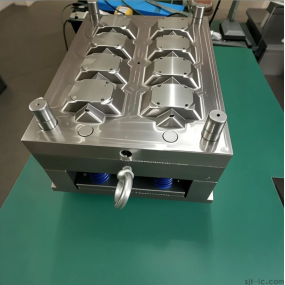
Stamping is suitable for high-volume production. A stamping die forms the metal quickly and consistently, making it useful for mass-produced shielding covers.
Typical stamping operations include forming, punching, and embossing. These processes can add structural strength or create mounting features.
4. Welding and Assembly
Some shielding covers require welding to join multiple metal parts. Common methods include spot welding, TIG welding, and laser welding.
Good welding quality helps maintain mechanical strength and reduces gaps that may affect shielding performance.
The manufacturing processes of shielding cover sheet metal should be selected according to product design, material type, production quantity, and required precision. Professional manufacturers can combine different methods to achieve better results.
Surface Treatment for Shielding Cover Sheet Metal
Surface treatment improves appearance, corrosion resistance, and sometimes shielding performance. The correct finishing method depends on the material and application environment.
Common Surface Treatment Methods
- Electroplating: Adds a protective metal layer to improve corrosion resistance and electrical conductivity. It is often used when better surface contact is required.
- Painting and Powder Coating: Provides protection against corrosion and creates a clean appearance. It is widely used for industrial equipment covers.
- Anodizing: Common for aluminum parts. It improves surface hardness and corrosion resistance.
- Brushing and Polishing: Improves surface appearance for products where visual quality is important.
When applying surface treatment for shielding cover sheet metal, manufacturers should ensure that the coating does not negatively affect electrical contact points or grounding areas. In some electronic applications, specific areas may need to remain untreated to maintain shielding connections.
Quality Control in Shielding Cover Sheet Metal Production
Quality inspection is essential because shielding covers must meet both mechanical and electromagnetic requirements. A professional production process includes checks from raw materials to finished products.
Main Quality Control Methods
- Material Inspection: Verify material type, thickness, and surface condition before processing.
- Dimensional Inspection: Use measuring tools such as calipers, gauges, and coordinate measuring equipment to check size accuracy.
- Appearance Inspection: Check for scratches, dents, welding defects, and coating problems.
- Shielding Performance Testing: Evaluate electromagnetic shielding ability to ensure the cover meets application requirements.
- Assembly Testing: Confirm that the cover fits correctly with the final equipment.
Strong quality control in shielding cover sheet metal production reduces product failures and helps customers achieve stable performance in real applications.
Practical Tips for Improving Shielding Cover Manufacturing Results
- Start with accurate drawings: Clear technical drawings reduce mistakes during production.
- Select materials based on actual conditions: Consider temperature, moisture, vibration, and electromagnetic requirements.
- Reduce unnecessary openings: Every gap or hole may affect shielding performance.
- Choose suitable manufacturing methods: Low-volume prototypes and high-volume production may require different processes.
- Work with experienced manufacturers: Professional suppliers can provide suggestions for design improvement and cost reduction.
EMAR Shielding Cover Sheet Metal Processing and Production Services
For businesses that need reliable metal shielding solutions, EMAR provides professional shielding cover sheet metal processing and production services. With experience in sheet metal fabrication, EMAR supports customers from design review and material selection to precision manufacturing and surface finishing.
EMAR can help produce shielding covers for different industries, including electronics, industrial automation, communication equipment, and customized machinery. The company focuses on practical manufacturing solutions, stable quality, and flexible production options to meet different project requirements.
Whether customers need prototype parts or larger production runs, working with an experienced sheet metal manufacturer can improve efficiency, reduce development risks, and ensure the final shielding cover meets functional requirements.
Conclusion
Shielding cover sheet metal processing and production involves many important steps, from choosing the right metal to controlling manufacturing quality. Material selection, thoughtful design, proper fabrication methods, suitable surface treatment, and strict testing all contribute to a successful shielding cover.
By understanding each stage of production, engineers and buyers can make better decisions, avoid common problems, and create durable shielding solutions for modern electronic and industrial applications.