How to identify a professional precision Sheet Metal Processing manufacturer?
Choosing the right supplier is one of the most important decisions when developing sheet metal products. A professional precision sheet metal processing manufacturer can directly affect product quality, production cost, delivery time, and the success of your project. Whether you need industrial equipment parts, commercial enclosures, medical components, or customized metal structures, the manufacturer you choose plays a key role.
However, many customers face difficulties when selecting a supplier. They may not know how to judge production ability, quality standards, technical experience, or customer support. This article explains How to identify a professional precision sheet metal processing manufacturer? by focusing on practical evaluation methods that help you make a better decision.
1. Evaluate Production Capabilities in Precision Sheet Metal
The first step in choosing a reliable manufacturer is understanding their production capabilities. A professional company should not only complete simple sheet metal work but also handle complex manufacturing requirements.
Range of Sheet Metal Processing Processes
A strong precision sheet metal manufacturer should provide a wide range of processing methods, including cutting, bending, welding, stamping, and surface treatment. Having multiple processes available shows that the company can handle different project requirements.
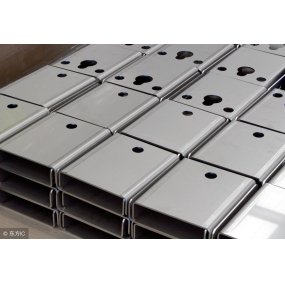
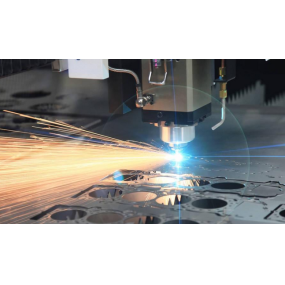
For example, if you need a customized sheet metal enclosure for industrial equipment, the manufacturer should be able to use laser cutting to create accurate shapes, bending machines to form the structure, and welding technology to assemble different parts together.
A supplier with limited processing options may need to outsource some operations, which can increase costs, extend delivery time, and create quality risks.
Production Capacity and Delivery Ability
Evaluating production capabilities in precision sheet metal also means checking whether the manufacturer can handle your order volume. A professional supplier should have enough equipment, skilled workers, and production management systems to support both small customized projects and large-scale production.
For example, a manufacturer with multiple laser cutting machines, CNC bending equipment, and automated production lines can complete large orders faster while maintaining consistent quality.
Before cooperation, customers should ask:
- Can the manufacturer meet my required production quantity?
- How long is the normal production cycle?
- Can they support urgent or increased production demands?
A company with strong production capacity reduces the risk of delays and helps customers maintain stable supply chains.
2. Check Quality Control in Precision Sheet Metal Processing
Quality is one of the most important factors when selecting a precision sheet metal manufacturer. Even small dimensional errors can affect assembly, product performance, and customer satisfaction.
Quality Management Systems
A professional manufacturer should have a complete quality management system. Many reliable companies follow international standards such as ISO 9001, which requires strict control during the entire production process.
A complete quality system usually includes:
- Inspection of incoming raw materials
- Quality checks during processing
- Final product inspection before delivery
- Production records and improvement procedures
For example, before processing begins, the manufacturer should check whether the sheet metal material meets the required specifications. During production, workers should measure important dimensions to prevent problems before final assembly.
Inspection Equipment and Testing Methods
Professional manufacturers invest in advanced inspection tools to guarantee accuracy. Common equipment includes coordinate measuring machines (CMMs), precision measuring instruments, and surface inspection tools.
For high-end industries such as aerospace or medical equipment, parts often require very strict tolerances. Using advanced inspection equipment helps ensure that every component meets customer requirements.
Strong quality control in precision sheet metal processing reduces defective products, avoids production waste, and improves long-term reliability.
3. Understand the Experience of Precision Sheet Metal Manufacturers
Experience is another important factor when choosing a precision sheet metal supplier. A manufacturer with years of industry experience usually has better problem-solving ability and production knowledge.
Industry Experience and Technical Knowledge
Different materials and industries have different requirements. Aluminum, stainless steel, carbon steel, and other materials all have unique characteristics during cutting, bending, and welding.
An experienced manufacturer understands how to select suitable processes and avoid common production problems. For example, when producing stainless steel parts, experienced engineers know how to control deformation during welding and maintain a clean surface finish.
The experience of precision sheet metal manufacturers often determines how efficiently they can solve unexpected challenges during production.
Review Past Projects and Customer Applications
A manufacturer's previous projects provide valuable information about its capabilities. Customers should review whether the supplier has produced similar products or served related industries.
For example, if you need precision sheet metal parts for medical equipment, a manufacturer with experience in medical-related projects may better understand requirements such as accuracy, cleanliness, and reliability.
A diverse project portfolio shows that the manufacturer can adapt to different customer needs.
4. Evaluate Customer Service of Precision Sheet Metal Firms
Manufacturing ability is important, but communication and service quality also influence the success of a project. A professional supplier should provide support throughout the entire cooperation process.
Communication and Project Management
Good communication helps avoid misunderstandings about drawings, materials, specifications, and delivery schedules.
A reliable manufacturer should:
- Respond quickly to customer questions
- Provide clear production updates
- Confirm technical details before manufacturing
- Communicate possible issues in advance
For example, if a customer changes a design requirement, a professional team should quickly evaluate the impact on cost and production time and provide practical solutions.
After-Sales Support
The relationship should not end after product delivery. Professional manufacturers provide after-sales support when customers experience installation or quality concerns.
If a sheet metal enclosure does not fit correctly during assembly, a responsible supplier should investigate the problem and offer solutions instead of ignoring customer feedback.
Excellent customer service of precision sheet metal firms shows that the manufacturer values long-term cooperation.
5. Examine Technology and Equipment in Precision Sheet Metal
Modern sheet metal processing requires advanced technology. Equipment quality directly affects production accuracy, efficiency, and product consistency.
Advanced Manufacturing Equipment
Professional manufacturers usually invest in modern machines, such as:
- Fiber laser cutting machines for accurate and efficient cutting
- CNC bending machines for consistent forming results
- Automated welding equipment for stable production quality
- Advanced inspection systems for precision measurement
For example, fiber laser cutting technology can process complex designs with high accuracy while reducing material waste.
Continuous Technology Improvement
The sheet metal industry continues to develop. Manufacturers that invest in new technologies can provide better products and more competitive solutions.
Modern software, such as production planning and nesting optimization systems, can improve material usage and reduce manufacturing costs.
When evaluating a supplier, customers should consider whether the company continuously upgrades its equipment and manufacturing methods.
6. Why EMAR Is a Reliable Choice for Precision Sheet Metal Processing
When customers ask How to identify a professional precision sheet metal processing manufacturer?, they should look for a company with comprehensive capabilities, strong quality management, advanced technology, and customer-focused service.
EMAR has developed professional expertise in precision sheet metal processing and supports customers with customized manufacturing solutions. With advanced production equipment and comprehensive processing capabilities, EMAR can handle different project requirements, from small-batch customized parts to large-scale production orders.
EMAR's manufacturing capabilities include precision cutting, stamping, bending, welding, and other sheet metal processes. This allows customers to work with one experienced partner instead of coordinating with multiple suppliers.
Commitment to Quality and Customer Needs
Quality control is a key part of EMAR's production process. Through strict inspection procedures and advanced measurement equipment, EMAR focuses on ensuring that each sheet metal component meets customer specifications.
At the same time, EMAR provides professional communication and support from the early design stage to final delivery. The team works closely with customers to understand project requirements, solve technical challenges, and provide reliable manufacturing solutions.
For companies looking for a precision sheet metal partner for high-end applications, choosing an experienced manufacturer like EMAR can help improve product quality, reduce production risks, and achieve more efficient manufacturing results.
Conclusion: Choosing the Right Precision Sheet Metal Manufacturer
Identifying a professional precision sheet metal processing manufacturer requires more than checking price. Customers should carefully evaluate production capability, quality control systems, industry experience, customer service, and manufacturing technology.
A reliable supplier should have the ability to produce accurate parts, maintain stable quality, communicate effectively, and support long-term cooperation. By using these evaluation methods, businesses can choose a manufacturing partner that meets their current needs and supports future growth.