
What are the reasons for the high cost of Sheet Metal Processing?
Sheet metal processing is widely used in industries such as aerospace, automotive, medical equipment, electronics, and industrial machinery. Many businesses are surprised when they receive a quotation for sheet metal parts because the cost can be higher than expected. Understanding What are the reasons for the high cost of sheet metal processing? helps manufacturers, purchasing teams, and product designers make better decisions about materials, designs, suppliers, and production methods.
The cost of sheet metal processing is influenced by many factors, including material selection, labor requirements, equipment investment, production difficulty, and quality control needs. By understanding these cost drivers, companies can better control budgets and choose suitable manufacturing solutions. Professional sheet metal suppliers such as EMAR focus on optimizing production processes and managing costs while maintaining reliable product quality.
Material-related costs in sheet metal processing
Material is one of the largest cost factors in sheet metal processing. The type, quality, and amount of sheet metal used directly affect the final production price.
High-quality material prices
Many industries require high-performance materials because sheet metal parts must work safely under demanding conditions. Materials such as titanium, stainless steel, and aluminum alloys often have higher prices because they provide excellent strength, corrosion resistance, and durability.
For example, aerospace manufacturers often use titanium sheet metal parts in aircraft structures because titanium has a strong strength-to-weight ratio and excellent resistance to harsh environments. However, titanium sheets are much more expensive than common steel materials. The strict quality requirements for aerospace materials also increase purchasing and inspection costs.
In medical equipment production, stainless steel is commonly selected because it is easy to clean, resistant to corrosion, and suitable for sterilization. Although this material improves product reliability, its higher price increases the overall processing cost.
Why it matters: High-quality materials are necessary for safety and performance, but they are an important reason why sheet metal processing costs can become higher.
Material waste
Another important material-related cost comes from waste during cutting and forming processes. If sheet metal layouts are not properly planned, a large amount of material may remain unused.
For example, when producing small sheet metal brackets, poor nesting of parts on a metal sheet can leave large empty areas between components. If the cutting layout is not optimized, more sheets must be purchased to produce the required number of parts.
Modern nesting software and experienced production planning can reduce material waste. Companies that carefully arrange cutting patterns can save material costs while also reducing environmental impact.
Why it matters: Reducing material waste improves cost efficiency and helps manufacturers use resources more effectively.
Labor-cost factors in sheet metal work
Labor is another major reason why sheet metal processing can become expensive. Although automated equipment is widely used, skilled workers are still needed to operate machines, manage production, and ensure quality.
Skilled labor requirements
Precision sheet metal processing requires workers with technical knowledge and practical experience. Operators must understand CNC programming, machine settings, bending methods, welding techniques, and quality requirements.
For example, a CNC operator needs to correctly program cutting paths and machine parameters to produce accurate parts. A skilled welder must control heat and welding speed to create strong joints without damaging the sheet metal.
Because experienced workers require higher wages and specialized training, labor expenses become an important part of the total processing cost.
Why it matters: Skilled workers help prevent mistakes, improve accuracy, and maintain product quality, but their expertise increases manufacturing costs.
Time-consuming processes
Some sheet metal operations require many production steps and careful adjustments. Complex bending, welding, surface finishing, and manual inspection can take significant time.
For example, producing a custom sheet metal enclosure with multiple bends and internal structures may require several bending operations. After forming, workers may need to remove sharp edges, polish surfaces, or complete additional finishing work.
The longer a part takes to manufacture, the more labor hours are required, which increases the final cost.
Why it matters: Production time directly affects labor expenses, especially for complex parts or large production orders.
Equipment-expense reasons for high cost
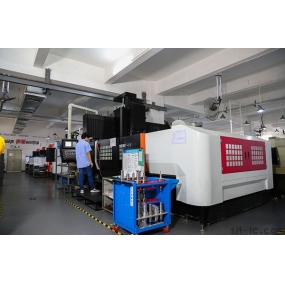
Sheet metal processing requires advanced machinery to achieve high accuracy and efficiency. However, purchasing and maintaining this equipment requires significant investment.
High-cost machinery
Modern sheet metal factories often use CNC cutting machines, laser cutting machines, CNC press brakes, welding equipment, and automated production systems. These machines provide excellent accuracy and repeatability but require large investments.
For example, a high-performance laser cutting machine can cost hundreds of thousands of dollars. A factory may also need several machines to handle different materials, thicknesses, and production requirements.
The investment cost of this equipment is usually distributed across manufactured parts. When production volumes are low, the equipment cost per part becomes higher.
Why it matters: Advanced machinery improves production quality and speed, but equipment investment increases manufacturing expenses.
Equipment maintenance and replacement
Sheet metal processing equipment must be regularly maintained to ensure stable operation. Maintenance includes replacing worn components, calibrating machines, checking sensors, and repairing mechanical parts.
For example, cutting tools and machine components may wear out after long-term use. If equipment is not maintained properly, accuracy problems and production delays may occur.
Manufacturers may also need to replace older machines when new technologies become available. These maintenance and upgrade expenses contribute to the overall cost of sheet metal processing.
Why it matters: Proper equipment management reduces failures and protects production quality, but it creates additional operating costs.
Production-complexity-based costs in sheet metal
The complexity of a sheet metal part has a direct impact on processing costs. Parts with complicated designs usually require more programming, setup, and manufacturing time.
Complex part design
Parts with many bends, holes, cut-outs, and special shapes require more careful production planning.
For example, a customized sheet metal housing for electronic equipment may include precise openings, curved surfaces, and multiple assembly points. Producing this type of part requires accurate CNC programming, special tooling, and additional inspection steps.
Compared with simple flat panels, complex designs require more resources and therefore have higher production costs.
Why it matters: Complex designs can provide better product performance and appearance, but they increase manufacturing difficulty.
Small-batch production
Small production quantities often have higher costs per part because setup expenses are divided among fewer products.
For example, producing 100 customized sheet metal parts requires machine programming, fixture preparation, and production setup. These preparation costs remain almost the same whether the company produces 100 parts or 10,000 parts.
When only a small number of parts are produced, each part must carry a larger share of the setup cost.
Why it matters: Understanding small-batch costs helps businesses choose suitable production quantities and avoid unexpected expenses.
Quality-control-related costs in sheet metal processing
Quality control is essential in sheet metal manufacturing, especially for industries that require strict accuracy and reliability. However, inspection and quality management also add to production costs.
Inspection and testing requirements
Manufacturers often use precision measuring tools, coordinate measuring machines (CMM), and testing methods to verify part quality.
For example, automotive sheet metal components may need dimensional inspections to confirm correct fitting and structural performance. Aerospace parts may require even stricter testing because failures can create serious safety risks.
The cost of inspection equipment, testing procedures, and quality engineers becomes part of the total processing expense.
Why it matters: Quality inspections prevent defective products and ensure reliable performance, but they increase production costs.
Quality-assurance systems
Professional sheet metal companies also invest in quality management systems. These systems include production documentation, employee training, process monitoring, and internal audits.
For example, companies following international quality standards such as ISO 9001 need to maintain clear procedures and records. This requires investment in management systems and quality personnel.
Why it matters: Strong quality systems help maintain consistent results, but they create additional operating expenses.
How EMAR manages sheet metal processing costs while maintaining quality
Although many factors can increase sheet metal processing costs, effective manufacturing management can help control expenses without reducing quality.
Cost-management expertise
EMAR focuses on improving production efficiency through better material planning, optimized cutting layouts, and professional manufacturing management. By reducing unnecessary material waste and improving production processes, EMAR helps customers achieve more reasonable sheet metal processing costs.
For example, efficient nesting methods can maximize sheet utilization, while experienced engineers can recommend suitable materials and processing methods based on product requirements.
Quality-maintained cost effectiveness
Lower cost does not mean lower quality. EMAR combines process optimization, skilled production teams, equipment management, and quality control systems to provide reliable sheet metal parts at competitive prices.
Through careful planning and strict quality management, EMAR helps customers reduce unnecessary expenses while ensuring that finished parts meet required standards.
Understanding What are the reasons for the high cost of sheet metal processing? allows companies to make smarter manufacturing decisions. By controlling material usage, improving production efficiency, selecting suitable designs, and working with experienced suppliers, businesses can achieve better cost performance while maintaining high-quality sheet metal products.