HTML
CNC Stainless Steel Parts Machining: Precision Solutions for Durable and High-Quality Parts
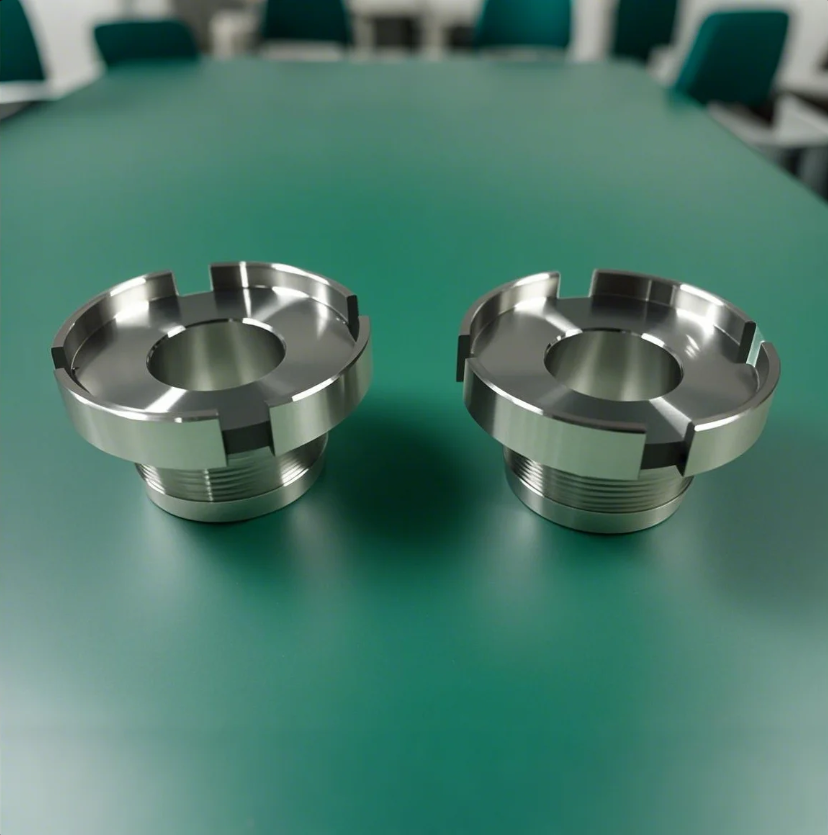
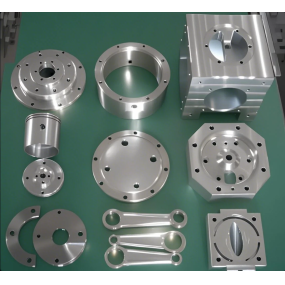
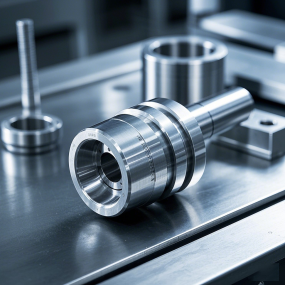
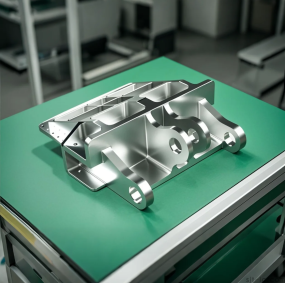
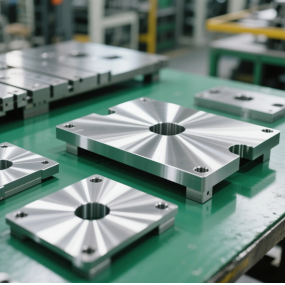
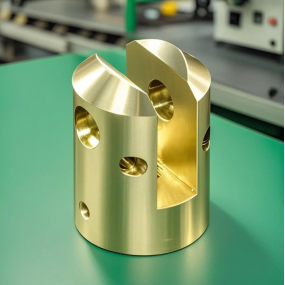
CNC Stainless Steel Parts Machining is a reliable manufacturing method for producing accurate, strong, and corrosion-resistant stainless steel components. Many industries choose CNC Machining because stainless steel offers excellent strength, hygiene, and durability, but it also creates machining challenges such as tool wear, difficult chip control, and higher production costs.
For companies that need stainless steel parts, the main concerns are usually clear: How can precision be maintained? How can a smooth surface finish be achieved? How can machining costs be controlled without reducing quality? With the right machine setup, tooling strategy, and design approach, CNC machining can overcome these challenges and deliver consistent results.
Why CNC Machining Is Suitable for Stainless Steel Parts
Stainless steel is widely used in industries such as food processing, medical equipment, construction, aerospace, and chemical processing because of its strength and resistance to corrosion. However, its hardness and toughness make it more difficult to machine than softer metals like aluminum.
CNC machining is well suited for stainless steel because modern CNC equipment can control cutting movements with very high accuracy. This allows manufacturers to create complex parts with tight tolerances, repeatable dimensions, and stable quality during both prototype production and large-volume manufacturing.
- High precision: CNC machines can produce stainless steel parts with accurate dimensions and complex features such as holes, threads, slots, and curved surfaces.
- Consistent quality: Computer-controlled machining reduces human errors and helps maintain the same quality across many production batches.
- Complex design capability: CNC milling, turning, drilling, and grinding can create parts with complicated geometries.
- Material strength handling: Powerful CNC machines and suitable cutting tools can effectively process hard stainless steel grades.
Experienced manufacturers such as EMAR use advanced CNC equipment and professional machining methods to help customers produce stainless steel components that meet demanding industrial requirements.
Common Challenges in CNC Stainless Steel Parts Machining
Managing Tool Wear During Stainless Steel Machining
One of the biggest concerns in stainless steel machining is tool wear. Stainless steel is tough and has low thermal conductivity, meaning heat can stay concentrated near the cutting area. This can quickly damage cutting tools if machining conditions are not properly controlled.
Handling tool wear in stainless steel parts CNC machining requires careful selection of cutting tools, suitable cutting speeds, and proper cooling methods.
- Use carbide or coated carbide cutting tools for better wear resistance.
- Select tools with sharp cutting edges to reduce cutting force.
- Apply suitable cutting fluids to control heat and improve tool life.
- Monitor tool conditions and replace worn tools before quality problems occur.
Achieving a Smooth Surface Finish
Many stainless steel parts require an attractive or functional surface finish, especially components used in food equipment, medical devices, and decorative applications. Poor cutting conditions can cause scratches, vibration marks, or uneven surfaces.
To achieve better surface quality, manufacturers must optimize cutting parameters, use proper tool paths, and select suitable finishing operations. CNC machining allows precise control over these factors, helping produce parts with reliable surface performance.
Controlling Machining Costs
Stainless steel machining can be more expensive than machining softer materials because it requires stronger tools, slower cutting speeds, and careful process control. However, cost can be reduced through smart planning.
- Optimize part design to reduce unnecessary machining operations.
- Select the correct stainless steel grade based on actual application needs.
- Use efficient CNC programming to reduce production time.
- Choose an experienced machining partner to avoid quality problems and rework.
Design Considerations for CNC Stainless Steel Parts
Good part design is an important factor in successful stainless steel machining. Designers should consider the material properties, production method, and final application before manufacturing begins.
Design tips for CNC-machined stainless steel parts include creating features that are practical for CNC tools and reducing unnecessary complexity.
- Avoid extremely thin walls: Thin sections may vibrate during machining and affect accuracy.
- Consider tool access: Deep pockets and narrow areas may require special tools or additional machining steps.
- Reduce sharp internal corners: Rounded corners are easier to machine and help extend tool life.
- Allow proper tolerances: Very tight tolerances increase machining time and cost, so they should only be used when necessary.
Design Requirements Based on Application
The final use of stainless steel parts determines many design choices.
- Food industry: Parts should have smooth surfaces, easy cleaning features, and materials that meet hygiene requirements.
- Construction: Components may require higher strength, load-bearing capability, and resistance to outdoor conditions.
- Chemical processing: Parts need excellent corrosion resistance and stable performance in aggressive environments.
Designers should also consider stainless steel's work-hardening tendency. During machining, stainless steel can become harder if the cutting process is not controlled. Using proper cutting depth and avoiding repeated tool passes over the same area can help prevent this problem.
Stainless Steel Grade Selection for Parts Machining
Choosing the correct stainless steel grade is essential for balancing performance and cost. Different grades provide different levels of corrosion resistance, strength, machinability, and price.
Stainless-steel grade selection for parts machining should be based on the working environment and required performance.
- 304 stainless steel: A common choice with good corrosion resistance and good overall performance for food equipment, general industrial parts, and household applications.
- 316 stainless steel: Provides improved corrosion resistance, especially in chemical, marine, and medical environments.
- 410 stainless steel: Offers higher hardness and strength for applications requiring wear resistance.
- 17-4 PH stainless steel: Provides high strength and is suitable for aerospace and demanding mechanical applications.
Selecting the most suitable grade helps avoid unnecessary costs. A higher-performance material is not always required if a more economical stainless steel grade can meet the application requirements.
Main CNC Machining Operations for Stainless Steel Parts
CNC Turning
CNC turning is commonly used for producing round stainless steel components such as shafts, bushings, and fittings. The workpiece rotates while cutting tools remove material to create accurate cylindrical shapes.
For stainless steel turning, manufacturers typically use carbide inserts and carefully control cutting speed, feed rate, and depth of cut to reduce heat and tool wear.
CNC Milling
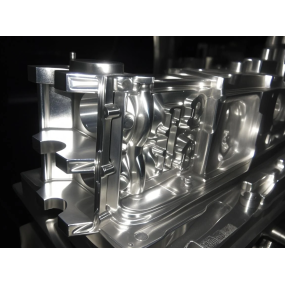
CNC milling is suitable for creating complex shapes, flat surfaces, grooves, and pockets. Multi-axis CNC milling machines can produce detailed stainless steel parts with high precision.
Using stable tool paths and proper cutting parameters helps prevent vibration and improves surface finish.
CNC Drilling
Drilling stainless steel requires careful control because the material can become harder during cutting. Proper drill selection, coolant application, and steady feed rates help maintain hole accuracy.
Grinding
Grinding is often used as a finishing process when extremely accurate dimensions or smooth surfaces are required. It can improve surface quality after primary CNC machining operations.
Optimized Cutting Parameters for Stainless Steel Machining
Cutting parameters have a direct impact on machining quality and tool life. The correct values depend on the stainless steel grade, machine capability, tool material, and part design.
- Cutting speed: Usually lower than aluminum machining because stainless steel generates more heat and cutting resistance.
- Feed rate: Must be balanced to remove material efficiently without creating excessive tool pressure.
- Depth of cut: Proper cutting depth helps avoid surface hardening caused by repeated light cuts.
Professional CNC manufacturers adjust these parameters through experience and testing to achieve the best balance between productivity, accuracy, and tool life.
Post-Machining Processes for CNC-Machined Stainless Steel Parts
After CNC machining, stainless steel parts may require additional treatments to improve performance, appearance, and durability.
Post-machining processes for CNC-machined stainless steel parts include:
- Heat treatment: Helps relieve internal stress and improve mechanical properties when required.
- Surface polishing: Creates a smoother appearance and reduces areas where dirt or contaminants can collect.
- Passivation: Improves corrosion resistance by removing surface contaminants and strengthening the natural protective oxide layer.
The correct post-processing method depends on the part application. For example, food and medical components often require higher surface quality, while structural parts may focus more on strength and durability.
Quality Control in CNC-Machined Stainless Steel Parts
Reliable quality control is essential because stainless steel parts are often used in applications where failure can cause safety or performance issues.
Quality control in CNC-machined stainless steel parts includes several inspection methods:
- Dimensional inspection: Uses precision measuring tools such as coordinate measuring machines (CMM) to verify part sizes and tolerances.
- Surface roughness testing: Checks whether the finished surface meets required specifications.
- Material verification: Confirms that the correct stainless steel grade has been used.
- Corrosion resistance testing: Evaluates performance in environments where corrosion protection is critical.
A professional CNC machining supplier should have a complete quality management process to ensure every batch meets customer expectations.
Choosing an Experienced CNC Stainless Steel Machining Partner
Successful stainless steel machining depends on more than having CNC machines. It requires knowledge of material behavior, tooling selection, process optimization, and quality inspection.
EMAR provides CNC stainless steel parts machining services with experience in precision manufacturing, complex part production, and strict quality control. By combining advanced CNC technology with professional engineering support, EMAR helps customers develop reliable stainless steel components for different industries.
When selecting a machining supplier, consider their equipment capability, experience with stainless steel materials, inspection systems, and ability to support projects from design to final production.
With the right machining strategy, stainless steel can be transformed into high-performance parts that offer excellent strength, corrosion resistance, and long service life.
 English
 » »
» »
 Spanish
 Arabic
 French
 Portuguese
 Belarusian
 Japanese
 Russian
 Malay
Malay Icelandic
 Bulgarian
 Azerbaijani
 Estonian
 Irish
Irish Polish
 Persian
 Boolean
 Danish
 German
 Filipino
 Finnish
 Korean
 Dutch
Dutch Galician
 Catalan
 Czech
Czech Croatian
 Latin
Latin Latvian
 Romanian
 Maltese
 Macedonian
 Norwegian
 Swedish
 Serbian
 Slovak
 Slovenian
 Swahili
 Thai
Thai Turkish
 Welsh
Welsh Urdu
Urdu Ukrainian
 Greek
Greek Hungarian
 Italian
 Yiddish
 Indonesian
 Vietnamese
 Haitian Creole
 Spanish Basque