HTML
CNC Machining Electric Vehicle Components: Precision Solutions for the Future of Mobility
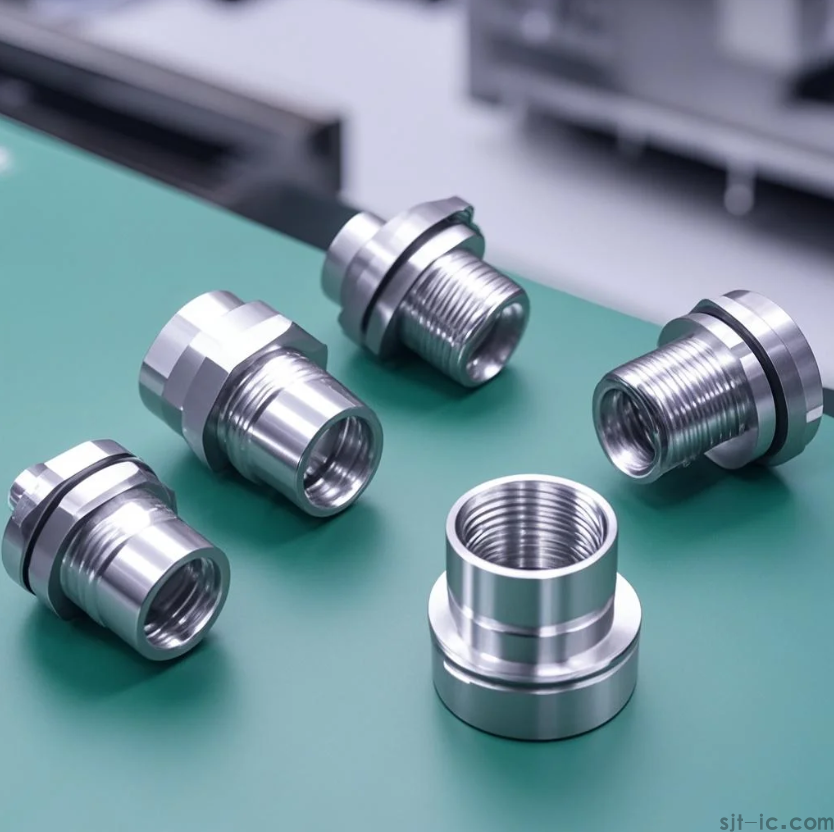
The demand for CNC Machining Electric Vehicle Components is growing quickly as the electric vehicle (EV) industry expands worldwide. EV manufacturers need parts that are strong, lightweight, and extremely precise. CNC machining helps solve these challenges by producing high-quality components with consistent accuracy.
For many companies, the biggest pain points are unstable part quality, high production costs, and difficulty meeting strict EV standards. CNC machining provides a reliable solution that improves performance, reduces waste, and ensures every part fits perfectly in the final assembly.
Why CNC Machining Is Important for Electric Vehicles
Electric vehicles rely on advanced engineering. Even small errors in components can affect battery safety, motor efficiency, or driving performance. That is why CNC Machining Electric Vehicle Components plays a key role in modern EV manufacturing.
CNC machines use computer control to cut and shape metal or plastic materials with extreme precision. This reduces human error and ensures every part meets the required specifications.
- Improves production consistency
- Reduces material waste
- Supports complex EV designs
- Ensures long-term durability of parts
Types of EV Components Machined by CNC
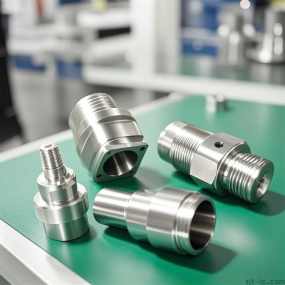
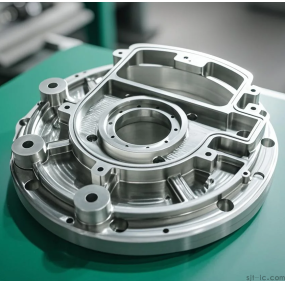
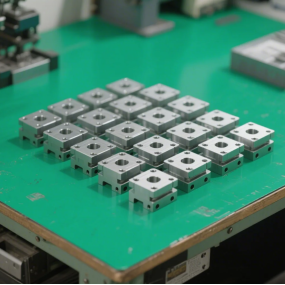
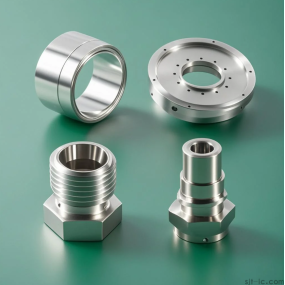
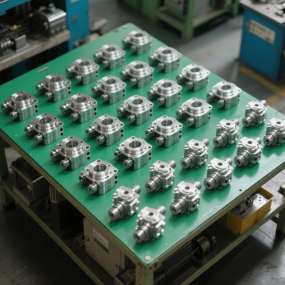
There are many types of EV components machined by CNC that are essential for electric vehicle performance and safety. These parts require high precision and durability.
- Battery housings: Protect battery cells and ensure heat resistance
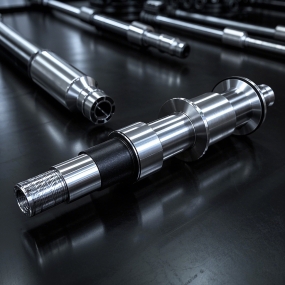
- Motor components: Provide stable rotation and energy transfer
- Inverter enclosures: Shield sensitive electronic systems
- Chassis parts: Improve vehicle strength and safety
- Cooling system parts: Maintain optimal temperature for EV performance
Each of these parts must be manufactured with tight tolerances to ensure safe and efficient vehicle operation.
Advantages of CNC in EV Component Machining
The advantages of CNC in EV component machining are significant for both manufacturers and end users. CNC technology improves production speed while maintaining high accuracy.
- High precision: Ensures perfect fit between components
- Fast production: Reduces lead time for large orders
- Flexibility: Supports complex and custom EV designs
- Repeatability: Produces identical parts in mass production
- Material efficiency: Minimizes waste and reduces costs
These advantages make CNC machining a preferred choice in the electric vehicle industry, especially as designs become more advanced and compact.
Precision Requirements for CNC-Machined EV Components
The precision requirements for CNC-machined EV components are extremely strict. Even a small deviation can affect the performance of the entire vehicle system.
For example, battery housings must maintain tight sealing to prevent overheating or leakage. Motor components require smooth surfaces and exact alignment to reduce vibration and energy loss.
- Tolerances often within micrometer levels
- High surface finish quality to reduce friction
- Strict dimensional accuracy for assembly compatibility
Meeting these requirements ensures safety, efficiency, and long service life for electric vehicles.
Quality Control in CNC Machining of EV Components
Strong quality control in CNC machining of EV components is necessary to ensure every part meets industry standards. Without proper inspection, even small defects can lead to serious performance issues.
Manufacturers use advanced inspection tools and testing methods throughout the production process.
- Raw material inspection before machining
- In-process measurement during production
- Final dimensional testing using precision instruments
- Surface quality and durability testing
This step-by-step quality control process ensures reliability and reduces the risk of product failure in real-world EV applications.
Cost-Effectiveness in CNC Machining of Electric Vehicle Components
Many companies worry about production costs, but cost-effectiveness in CNC machining of electric vehicle components is actually one of its biggest benefits.
Although CNC machines require initial investment, they reduce long-term costs by improving efficiency and reducing waste.
- Less material waste due to precise cutting
- Lower labor costs with automated production
- Reduced rework and defect rates
- Faster production cycles for large orders
As a result, manufacturers can achieve high-quality production while maintaining competitive pricing in the EV market.
How EMAR Supports EV Manufacturing Needs
In the growing EV industry, reliable suppliers are essential. EMAR provides professional CNC machining services designed specifically for electric vehicle components. With advanced equipment and strict quality systems, EMAR helps customers achieve stable and precise production results.
Whether it is prototype development or mass production, EMAR focuses on delivering accurate parts that meet international EV standards. The company understands the importance of precision, durability, and cost control in modern electric vehicle manufacturing.
By working with experienced CNC machining partners like EMAR, manufacturers can reduce production risks and improve overall product quality.
Conclusion
CNC Machining Electric Vehicle Components is a key technology driving the future of clean transportation. From battery systems to motor parts, CNC machining ensures every component meets strict performance and safety standards.
With benefits such as high precision, cost efficiency, and strong quality control, CNC machining supports the fast-growing EV industry in a reliable way. Companies that invest in advanced CNC solutions today will be better prepared for the competitive electric vehicle market of tomorrow.
 English
 » »
» »
 Spanish
 Arabic
 French
 Portuguese
 Belarusian
 Japanese
 Russian
 Malay
Malay Icelandic
 Bulgarian
 Azerbaijani
 Estonian
 Irish
Irish Polish
 Persian
 Boolean
 Danish
 German
 Filipino
 Finnish
 Korean
 Dutch
Dutch Galician
 Catalan
 Czech
Czech Croatian
 Latin
Latin Latvian
 Romanian
 Maltese
 Macedonian
 Norwegian
 Swedish
 Serbian
 Slovak
 Slovenian
 Swahili
 Thai
Thai Turkish
 Welsh
Welsh Urdu
Urdu Ukrainian
 Greek
Greek Hungarian
 Italian
 Yiddish
 Indonesian
 Vietnamese
 Haitian Creole
 Spanish Basque