CNC Connector Product Processing plays a key role in modern electronics, automotive systems, aerospace devices, and industrial equipment. Connectors must be precise, stable, and reliable because even a small error can affect the whole system performance.
Many buyers and engineers face challenges such as understanding the production process, controlling quality, and estimating cost. This article explains everything in simple English to help you make better decisions when choosing a supplier or planning production.
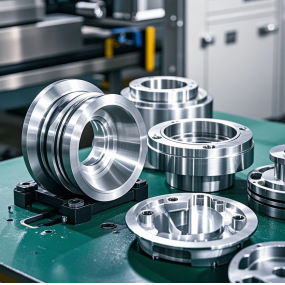
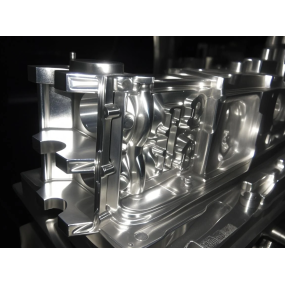
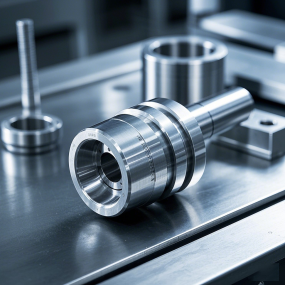
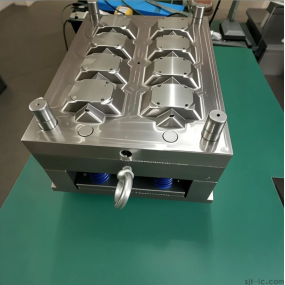
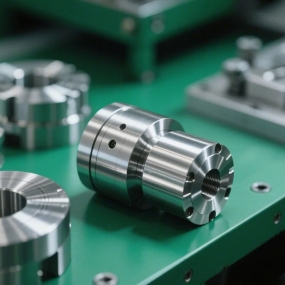
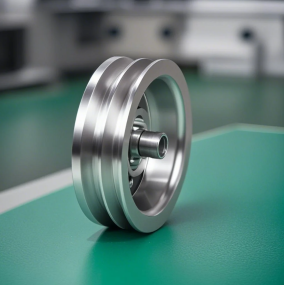
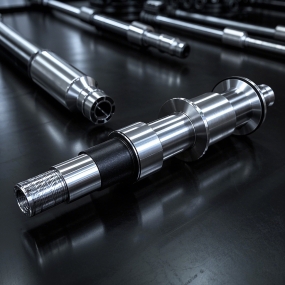
CNC Connector Product Processing refers to the manufacturing of metal or plastic connectors using CNC (Computer Numerical Control) machines. These machines cut, shape, and finish materials with high accuracy.
Connectors made through CNC processing are widely used in electrical systems, signal transmission, and precision devices where stability and accuracy are required.
The choice of material is very important because it directly affects performance, durability, and cost.
Different applications require different materials, so selecting the right one is a key step in CNC Connector Product Processing.
Understanding the production flow helps buyers evaluate suppliers more effectively. Below are the main steps in CNC connector product processing:
Each step must be carefully controlled to ensure final product quality and stability.
Quality assurance in CNC connector product processing is critical because connectors are often used in sensitive systems where failure is not acceptable.
A reliable manufacturer will always apply strict quality control systems throughout the entire process, not just at the final stage.
Many customers want to understand cost-factors in CNC connector product processing before placing an order. The final price depends on several elements:
Understanding these factors helps customers plan budgets more effectively and avoid unexpected expenses.
Selecting the right supplier is just as important as product design. A good manufacturer should provide strong engineering support, stable quality, and clear communication.
For example, :contentReference[oaicite:0]{index=0} has strong experience in CNC Connector Product Processing. The company focuses on precision machining, strict inspection standards, and customized solutions for different industries.
With professional engineering support and stable production systems, EMAR helps customers reduce risk and improve product reliability in real applications.
Experience is a key factor in achieving consistent quality. Skilled engineers understand how to optimize machining parameters, reduce errors, and improve production efficiency.
In advanced manufacturing, even small improvements in tool selection or process control can significantly affect final product performance.
That is why working with experienced suppliers is highly recommended for long-term projects and high-precision applications.
CNC Connector Product Processing is a complex but highly important manufacturing process that requires careful attention to materials, machining steps, quality control, and cost management.
By understanding the materials used in CNC connector product processing, the steps in CNC connector product processing, and the main cost drivers, buyers can make smarter sourcing decisions.
Working with an experienced partner like :contentReference[oaicite:1]{index=1} can help ensure stable quality, efficient production, and long-term reliability for demanding applications.