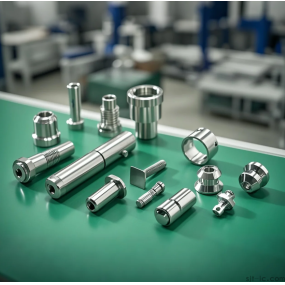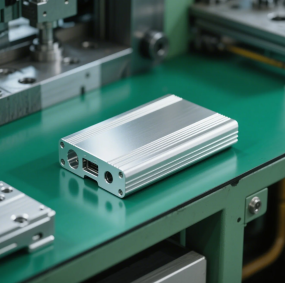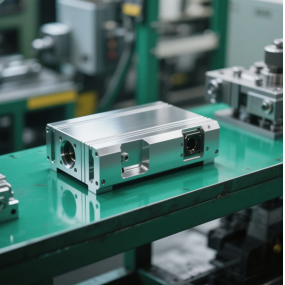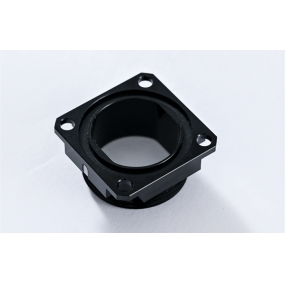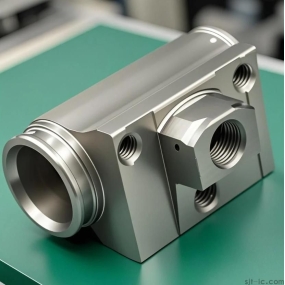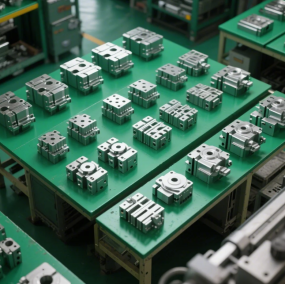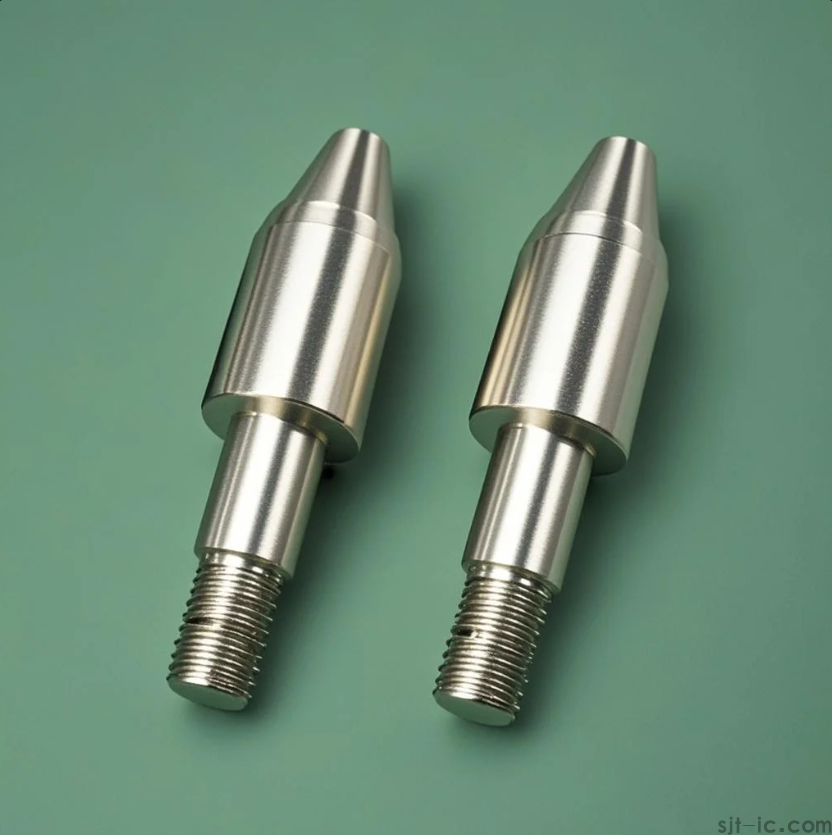
CNC machining mold parts is an important manufacturing method used to produce accurate and durable components for molds. Many industries, including automotive, electronics, medical equipment, and consumer products, depend on high-quality mold parts to create reliable products. However, choosing the right machining process and supplier can be difficult because mold parts often require very tight tolerances, complex shapes, and long service life.
CNC Machining Mold Parts helps solve these problems by using computer-controlled machines to produce parts with high precision, stable quality, and repeatable results. A professional CNC machining partner, such as EMAR, provides advanced machining experience, strict inspection systems, and customized solutions to help customers produce mold components that meet demanding requirements.
Mold parts directly affect the quality, performance, and lifespan of a finished mold. Even a small error in size or shape can cause problems during production, such as poor product appearance, difficult mold assembly, or shorter mold life. This is why accurate machining is essential.
The importance of precision in CNC mold part machining is reflected in several key areas:
For mold manufacturers, CNC machining provides a reliable way to balance precision, production speed, and cost control.
The process starts with product design and mold part drawings. Engineers usually create 3D models using CAD software and check important details such as dimensions, tolerances, material requirements, and assembly conditions.
Before machining begins, CAM software is used to create machining programs. Engineers plan tool paths, cutting speeds, and machining sequences to improve accuracy and reduce production risks.
Choosing the correct material is one of the most important steps in mold manufacturing. The material must match the working conditions of the mold, including pressure, temperature, wear resistance, and expected production volume.
The material selection for CNC-machined mold parts commonly includes:
A professional CNC machining company can recommend suitable materials based on mold function, production requirements, and budget.
After design and material preparation, the mold parts enter the machining stage. Different operations are selected depending on part complexity and accuracy requirements.
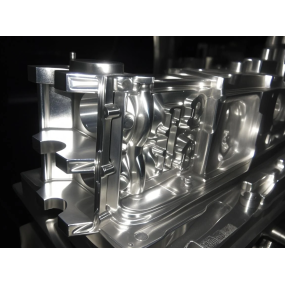
Milling in CNC mold part production is one of the most common machining methods. CNC milling machines use rotating cutting tools to remove material and create complex shapes, cavities, slots, and precision surfaces.
Multi-axis CNC milling allows manufacturers to machine difficult angles and complicated mold structures in fewer setups. This improves accuracy and reduces production time.
Electrical discharge machining (EDM) is often used when mold parts contain narrow grooves, deep cavities, or complicated details that are difficult to process with traditional cutting tools.
EDM removes material through controlled electrical sparks, allowing manufacturers to create precise features without applying strong cutting forces to the workpiece.
After CNC machining, mold parts may require additional processes to improve performance and appearance. Common post-processing methods include:
These finishing steps help mold components perform reliably during repeated production cycles.
Although CNC machining provides many advantages, mold part production still involves several challenges. Understanding these problems helps manufacturers improve quality and avoid delays.
The main challenges in CNC machining mold components include:
These challenges can be managed through proper process planning, advanced CNC equipment, experienced technicians, and strict quality management. Companies like EMAR focus on optimizing machining processes, selecting suitable tools, and applying professional inspection methods to deliver reliable mold parts.
Quality inspection is a critical step in CNC mold part manufacturing. Without proper testing, even small defects can affect mold performance and increase production costs.
Quality control for CNC-made mold parts usually includes:
A reliable CNC machining supplier should have complete quality control procedures from raw material inspection to final delivery. This helps customers reduce risks and achieve stable production results.
Selecting the right supplier is as important as choosing the correct machining process. Customers should consider several factors before making a decision:
EMAR provides professional CNC machining services for mold parts, supporting customers from design analysis and material selection to precision machining and quality inspection. With experience in custom machining projects, EMAR helps businesses improve mold performance, reduce production problems, and achieve consistent results.
CNC machining mold parts plays a key role in modern mold manufacturing because it delivers high precision, repeatability, and efficiency. From design planning and material selection to milling, EDM, finishing, and inspection, every step influences the final mold quality.
By understanding the machining process, managing production challenges, and working with an experienced CNC machining partner, companies can produce reliable mold components with better performance and longer service life. A professional supplier like EMAR can provide customized CNC machining solutions to meet different mold manufacturing needs.