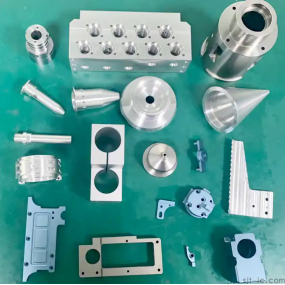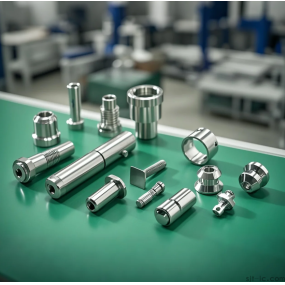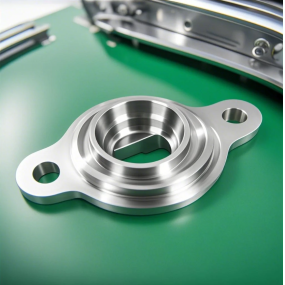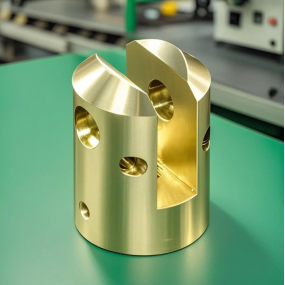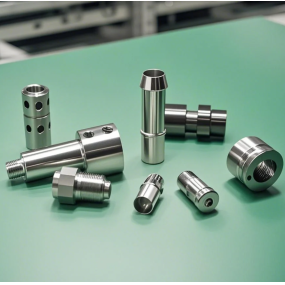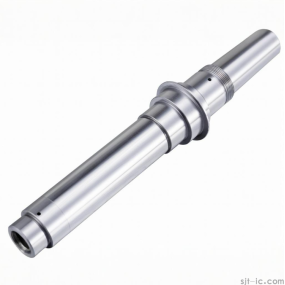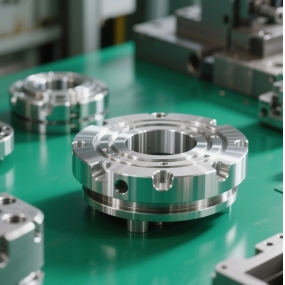

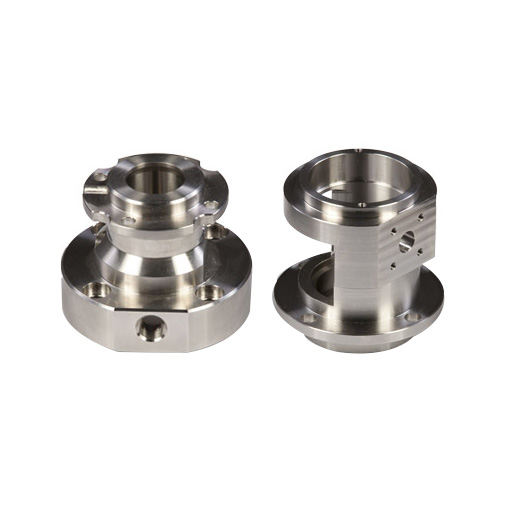
Stainless steel aviation parts processing is a critical manufacturing process that supports the safety, reliability, and performance of modern aircraft. Aviation components must work under extreme conditions, including high temperatures, strong mechanical forces, humidity, and exposure to chemicals. Stainless steel parts are widely used in aircraft engines, landing gear systems, fuel systems, and structural components because they offer excellent durability and strength.
For aircraft manufacturers and suppliers, understanding how stainless steel aviation parts are processed helps explain why strict manufacturing methods and quality standards are necessary. From selecting the right stainless steel grade to precision machining and final inspection, every step affects the reliability of the finished component.
The reasons for using stainless steel in aviation parts are mainly related to its excellent mechanical properties, long service life, and ability to perform in difficult environments. Aircraft parts must maintain stable performance for thousands of flight hours, and stainless steel provides several important advantages.
One of the biggest benefits of stainless steel is its strong resistance to corrosion. Aircraft often operate in environments with moisture, salt air, fuel, hydraulic fluids, and changing temperatures. These conditions can damage ordinary metals over time.
Stainless steel contains chromium, which creates a protective oxide layer on the surface. This layer helps prevent rust and chemical damage. For example, stainless steel fuel system components can resist corrosion from aviation fluids, reducing the risk of leaks and improving aircraft reliability.
Because corrosion-resistant parts require fewer replacements and repairs, stainless steel helps reduce maintenance costs and improves aircraft availability.
Another important reason for using stainless steel in aviation parts is its high strength. Aircraft components must withstand heavy loads during takeoff, landing, vibration, and flight operations.
For example, stainless steel components in landing gear must handle large impact forces when an aircraft touches the runway. The material provides the strength needed for safety while maintaining a reasonable weight level. This balance helps aircraft designers improve fuel efficiency and overall performance.
The key processing steps of stainless-steel aviation parts include material preparation, precision machining, heat treatment, surface finishing, and strict inspection. Each step requires careful control because even small errors can affect aircraft performance.
The first step is selecting the correct stainless steel grade based on the part's working environment and performance requirements. Different aviation applications require different material characteristics, such as corrosion resistance, strength, heat resistance, or fatigue resistance.
For example, a stainless steel component exposed to high temperatures near an aircraft engine may require a different grade than a structural support part. After material selection, the stainless steel is cut into suitable sizes and prepared through processes such as heat treatment or stress relief.
Proper preparation improves the material's stability and ensures better results during later machining processes.
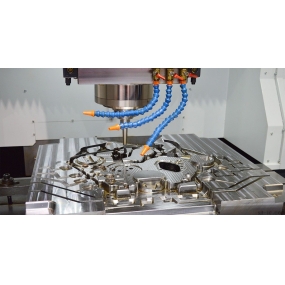
Machining is one of the most important stages in stainless steel aviation parts processing. Common machining methods include turning, milling, drilling, and grinding.
For example, when manufacturing a stainless steel turbine component, turning may create the basic shape, milling may produce complex surfaces, drilling may create precision holes, and grinding may achieve the required smooth finish.
Because aviation parts require very tight tolerances, manufacturers must carefully control machining factors such as cutting speed, tool selection, cooling methods, and machining force.
After machining, heat treatment can improve the mechanical properties of stainless steel parts. Processes such as hardening, quenching, or tempering can increase strength and wear resistance.
Surface finishing is also essential. Treatments such as polishing and passivation can improve corrosion resistance, reduce surface friction, and extend the service life of the part.
For example, a polished stainless steel aircraft component may experience less friction and better resistance to environmental damage during long-term operation.
Although stainless steel provides many advantages, there are also several challenges in processing stainless-steel aviation parts. Manufacturers need advanced equipment, skilled technicians, and strict process control to overcome these difficulties.
Stainless steel is harder to machine than many common metals because of its high strength and work-hardening characteristics. During machining, the surface can become harder, increasing tool wear and making it more difficult to maintain accuracy.
For example, when milling a stainless steel aircraft bracket, incorrect cutting conditions may cause excessive tool damage, poor surface quality, or inaccurate dimensions.
To solve this problem, manufacturers use specialized cutting tools, optimized machining parameters, and suitable cooling methods to maintain efficiency and accuracy.
Aviation parts must meet extremely high safety standards. A small defect, such as a crack or incorrect dimension, may affect the operation of an aircraft system.
Manufacturers must control every detail, including material quality, machining accuracy, surface condition, and structural strength. This makes quality management one of the most challenging parts of stainless steel aviation manufacturing.
The quality control of stainless steel aviation parts ensures that every component meets aviation standards before being installed on an aircraft. Reliable inspection methods help prevent failures and improve flight safety.
Precision measurement is necessary because aviation parts often require extremely accurate dimensions. Manufacturers use advanced inspection equipment, such as coordinate measuring machines (CMMs), to compare finished parts with engineering drawings.
For example, an aircraft engine shaft must have precise diameter and alignment. Even a small dimensional error could create vibration, poor fitting, or reduced engine efficiency.
Material testing verifies that the stainless steel has the correct chemical composition and mechanical properties. Common tests include tensile strength testing, hardness testing, and fatigue testing.
For example, landing gear components require excellent fatigue resistance because they experience repeated stress during every flight cycle. Testing ensures that the material can safely handle these conditions.
Non-destructive testing methods, including ultrasonic inspection and X-ray testing, help identify internal defects without damaging the part.
These inspection methods are especially important for safety-critical aviation components because they help detect hidden problems before the parts enter service.
The impact on aviation safety and performance from high-quality stainless steel parts is significant. Properly processed components improve aircraft reliability, reduce maintenance risks, and support better operational efficiency.
Strong and corrosion-resistant stainless steel parts reduce the possibility of component failure. For example, corrosion-resistant fuel system parts help prevent fuel leaks, while strong structural components help maintain aircraft stability.
Reliable stainless steel aviation parts contribute to safer flights by supporting the aircraft's critical systems throughout its service life.
Stainless steel components also help improve aircraft performance. Their strength allows engineers to design durable parts that can handle demanding conditions without unnecessary weight increases.
Better material performance can contribute to improved fuel efficiency, longer service intervals, and more reliable aircraft operation.
With professional manufacturing experience, EMAR focuses on delivering reliable solutions for stainless steel aviation parts processing. The company applies advanced machining technology, careful material selection, and strict quality management to produce high-precision aviation components.
EMAR's expertise covers important manufacturing areas, including stainless steel machining, process optimization, surface treatment, and inspection procedures. By understanding the challenges of aviation manufacturing, EMAR helps customers achieve consistent quality and dependable part performance.
EMAR places strong attention on the quality control of stainless steel aviation parts. Through accurate measurement equipment, material verification, and inspection processes, the company ensures that finished components meet demanding aviation requirements.
For customers looking for dependable aviation manufacturing partners, EMAR provides stainless steel aviation parts with a focus on precision, durability, and safety. High-quality processing helps support aircraft performance and contributes to the reliability of the aviation industry.
Stainless steel aviation parts processing is a complex but essential manufacturing process that directly affects aircraft safety and performance. Stainless steel is widely used because of its corrosion resistance, strength, and durability. However, successful production requires advanced machining technology, professional expertise, and strict quality control.
By understanding material selection, processing steps, manufacturing challenges, and inspection methods, companies can better evaluate the quality and reliability of aviation components. Experienced manufacturers like EMAR help ensure that stainless steel aviation parts meet the high standards required for modern aircraft.