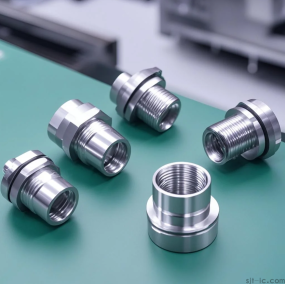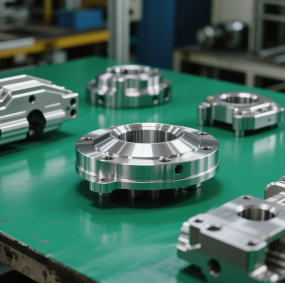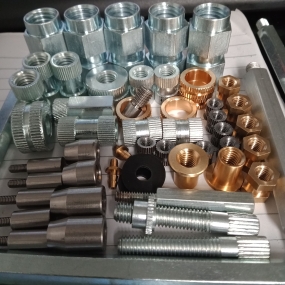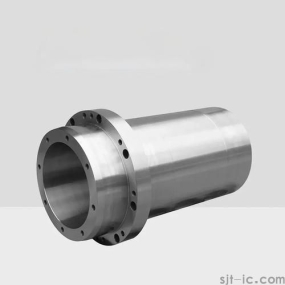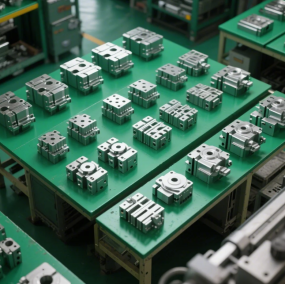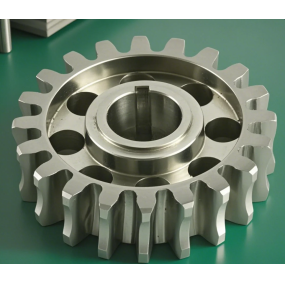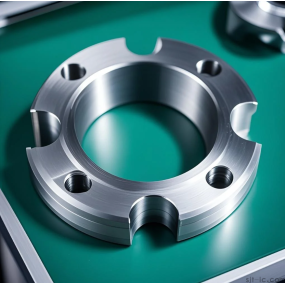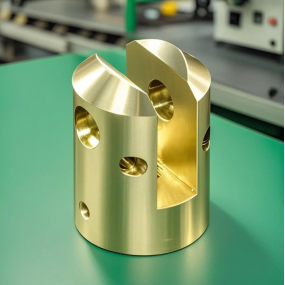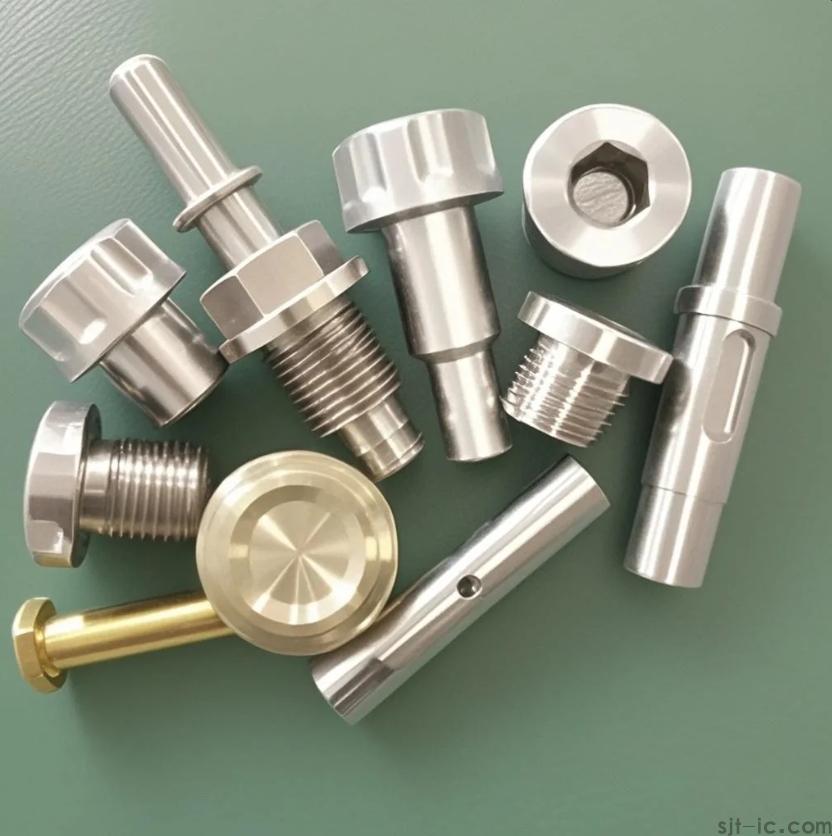
Fasteners are small components, but they play a critical role in many industries. Standard fasteners may not always meet the needs of special applications that require unique sizes, shapes, materials, or performance levels. This is where CNC Fastener Custom Machining Services become valuable. These services help companies produce precision fasteners designed for specific requirements, from prototypes to large production runs.
With advanced CNC Machining technology, manufacturers can create custom bolts, screws, nuts, pins, studs, and other fastening parts with high accuracy and reliable performance. Understanding the machining process, material choices, design options, costs, and quality control methods helps customers make better decisions when selecting a CNC fastener supplier.
CNC Fastener Custom Machining Services refer to the process of manufacturing specially designed fasteners using computer-controlled machining equipment. Unlike standard fasteners produced in fixed sizes and shapes, CNC-machined fasteners are made according to customer drawings, CAD models, or application requirements.
CNC machines can perform operations such as turning, milling, drilling, threading, and surface finishing. This allows manufacturers to produce fasteners with precise dimensions, complex designs, and tight tolerances.
Custom CNC fasteners are commonly used in industries such as:
For companies that need special fastening solutions, custom machining provides better control over product performance, reliability, and compatibility.
Understanding the steps in CNC fastener custom machining helps customers know what happens from design to final delivery.
The process begins with reviewing technical drawings, 3D models, material requirements, thread specifications, and application conditions. Engineers check whether the design is suitable for CNC machining and suggest improvements if needed.
The selected raw material, such as stainless steel, aluminum, titanium, brass, or alloy steel, is prepared based on the customer's performance requirements.
Machining engineers create CNC programs that control tool movement, cutting speed, and machining sequence. Proper programming is important for achieving accurate dimensions and reducing production errors.
CNC machines remove material through controlled cutting operations. Turning is often used for round fasteners, while milling and drilling create special shapes, holes, or features.
Depending on the application, custom fasteners may receive treatments such as polishing, coating, anodizing, heat treatment, or corrosion protection.
Finished parts are inspected to confirm dimensions, thread accuracy, surface quality, and mechanical performance before shipment.
Many companies choose custom CNC fasteners because standard products cannot always solve specific engineering challenges.
The design benefits of custom-machined CNC fasteners include the ability to create unique shapes, special threads, unusual dimensions, and complex features. Engineers can optimize fasteners for weight reduction, strength improvement, or easier installation.
For example, a manufacturer may need a lightweight fastener for aerospace equipment or a corrosion-resistant fastener for marine environments. CNC machining makes these special designs possible.
Custom fasteners are designed based on the actual working conditions of the application. This helps improve load capacity, durability, and safety compared with using general-purpose fasteners.
Accurate CNC machining ensures that fasteners fit correctly with other components. This reduces installation difficulties, part replacement issues, and production delays.
Choosing the right material is one of the most important decisions in custom fastener production. The material selection for custom fasteners in CNC machining depends on factors such as strength, temperature resistance, corrosion resistance, weight, and operating environment.
Provides excellent corrosion resistance and is widely used in medical, food processing, and outdoor applications.
Lightweight and easy to machine, making it suitable for applications where reducing weight is important.
Offers high strength with low weight and excellent corrosion resistance for demanding industries such as aerospace.
Provides good machinability and electrical conductivity, often used in electronic components.
Known for high strength and wear resistance, making it suitable for heavy-duty applications.
A professional CNC machining supplier can help select the most suitable material based on the final application and budget requirements.
Understanding the cost-factors in CNC fastener custom machining helps businesses plan their manufacturing budget more effectively.
Different metals have different prices. Specialty materials such as titanium usually cost more than common metals.
Fasteners with complex geometries, special threads, or tight tolerances may require more machining time and advanced tools.
Prototype and small-batch production may have higher unit costs, while larger orders often reduce the average cost.
Additional finishing processes increase costs but may improve durability and appearance.
Higher precision standards and additional inspections may increase production expenses but provide better reliability.
Working with an experienced CNC machining partner can help optimize designs and production methods to achieve a balance between quality and cost.
Quality control is essential because fasteners directly affect the safety and performance of assembled products. Reliable CNC fastener manufacturers use multiple inspection steps throughout production.
Advanced inspection equipment, experienced engineers, and strict manufacturing procedures help ensure that custom fasteners meet customer specifications.
EMAR's excellence in CNC fastener custom machining services comes from a combination of advanced machining technology, experienced engineers, and a strong focus on quality. EMAR provides customized CNC machining solutions for customers who need precision fasteners with reliable performance.
From material selection and design support to precision machining and quality inspection, EMAR works closely with customers to create fasteners that match their application requirements. The company focuses on improving production efficiency while maintaining consistent quality for prototype projects and volume manufacturing.
Customers looking for dependable CNC fastener solutions can benefit from EMAR's machining experience, technical knowledge, and commitment to delivering accurate custom components.
Choosing the right supplier is important for achieving high-quality custom fasteners. Consider the following points:
A reliable machining partner does more than manufacture parts. They provide engineering support, manufacturing advice, and solutions that help customers reduce risks and improve product performance.
CNC Fastener Custom Machining Services provide a flexible solution for industries that require precision, durability, and application-specific fastening components. By understanding the machining steps, material choices, design advantages, cost factors, and quality control methods, companies can make better manufacturing decisions.
With professional support from experienced suppliers like EMAR, businesses can develop custom CNC fasteners that meet strict performance requirements while maintaining efficiency and reliability.