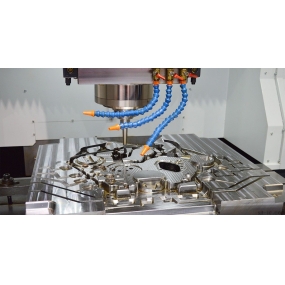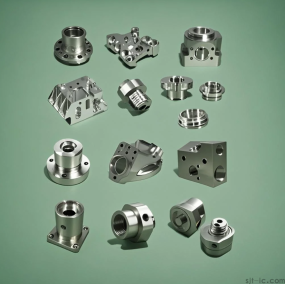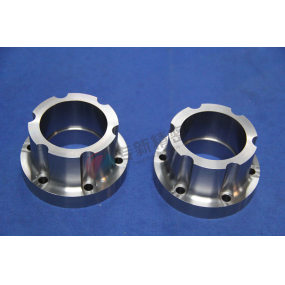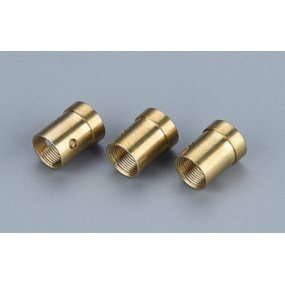

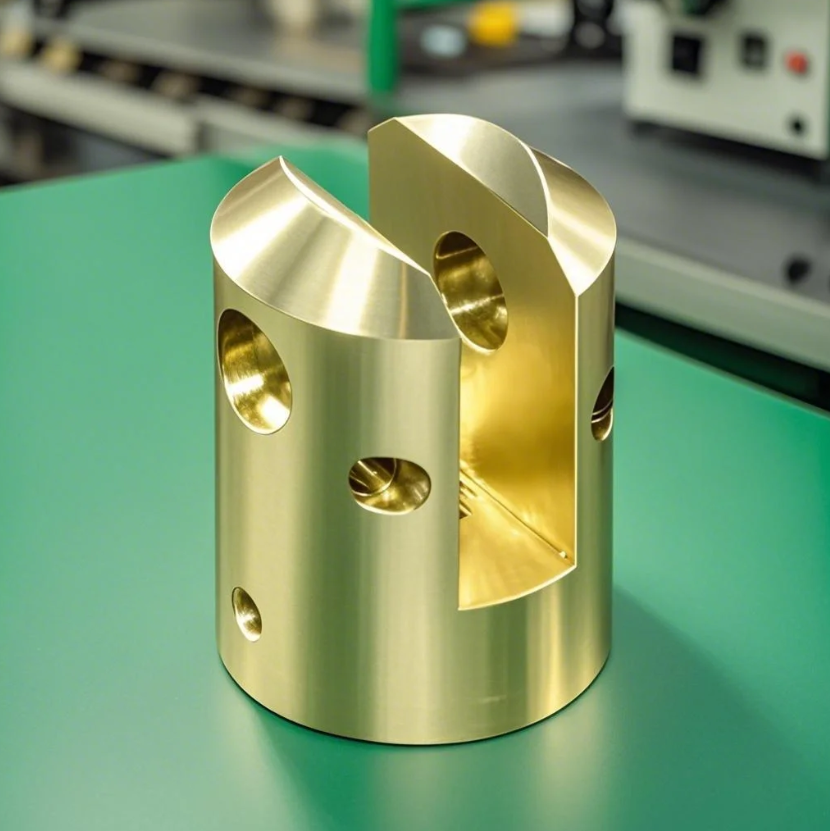
CNC Machining Brass is widely used for producing accurate, durable, and high-quality metal parts in industries such as electronics, plumbing, automotive, marine, and industrial equipment. Brass is a popular CNC material because it combines excellent machinability with good corrosion resistance, electrical conductivity, thermal performance, and dimensional stability.
However, many customers face challenges when machining brass. Common concerns include selecting the right brass alloy, finding suitable cutting parameters, reducing tool wear, controlling production costs, and maintaining consistent part quality. Understanding the material characteristics and machining methods can help manufacturers achieve better results.
This guide explains the key points of CNC machining brass, including alloy selection, machining processes, recommended parameters, tool selection, and methods for improving production efficiency.
Brass is an alloy mainly made from copper and zinc. Different amounts of zinc and other elements create different brass grades with unique properties. These properties make brass suitable for precision CNC manufacturing.
Compared with harder metals such as stainless steel, brass generally requires less cutting force and causes less tool stress. This helps reduce production time and improves overall manufacturing efficiency.
Selecting suitable brass alloys for CNC machining is one of the most important steps in achieving good part performance. Each brass grade has different mechanical properties, machinability, and application advantages.
C260 is a common brass alloy containing approximately 70% copper and 30% zinc. It has excellent cold-working ability, good corrosion resistance, and stable mechanical performance.
Main advantages:
Common applications:
C260 is a good choice when manufacturers need a balance between appearance, durability, and machining performance.
C360 is one of the most widely used CNC machining brass grades because it contains lead, which improves chip breaking and machinability.
Main advantages:
Common applications:
C360 is often preferred for high-volume CNC production because it reduces machining time and improves cost efficiency.
C464 is designed for applications requiring stronger corrosion resistance, especially in marine environments. It contains tin, which improves resistance to seawater corrosion.
Main advantages:
Common applications:
Choosing the correct brass alloy helps prevent problems such as premature failure, poor surface quality, and unnecessary machining costs.
The main machining processes in CNC brass production include turning, milling, drilling, and grinding. Each process creates different features and requires proper machine setup.
CNC turning is mainly used for producing round brass parts. During turning, the brass workpiece rotates while a cutting tool removes material.
Typical parts created:
Machine setup considerations:
CNC milling removes material using rotating cutting tools. It is suitable for creating complex shapes, slots, pockets, and flat surfaces.
Typical applications:
Machine setup considerations:
CNC drilling is used to create accurate holes for assembly, fasteners, and fluid passages.
Typical features:
Proper drill geometry and chip removal are important because brass can create long chips during drilling.
Grinding is used when extremely accurate dimensions or smooth surface finishes are required. It is often used as a secondary finishing process.
Common uses:
Using correct machining parameters for CNC brass machining improves surface quality, tool life, and production efficiency. Actual settings depend on machine rigidity, tooling, part design, and cooling conditions.
These values are general guidelines. Experienced CNC engineers adjust parameters based on part requirements, machine capability, and production goals.
Although brass is easy to machine, incorrect cutting conditions can still cause tool problems. Handling tool wear in CNC brass machining is important for maintaining stable quality and reducing production interruptions.
Common causes of tool wear include:
Ways to reduce tool wear:
For high-volume production, using stable machining conditions is often more important than simply increasing cutting speed.
Achieving cost-effectiveness in CNC machining brass requires balancing material usage, machining time, tooling costs, and quality control.
Effective cost reduction methods include:
A reliable CNC partner can also help reduce costs through better process planning, material selection support, and quality management.
Successful brass machining requires more than operating CNC equipment. A professional manufacturer needs experience in alloy selection, machining parameter optimization, tooling management, and quality inspection.
Companies such as EMAR provide CNC machining solutions for brass components, supporting customers with precision manufacturing, process optimization, and customized production services. With experience handling different brass materials and complex part requirements, EMAR helps customers achieve reliable quality and efficient production.
When selecting a CNC machining supplier, consider:
CNC Machining Brass offers many advantages, including high machining efficiency, excellent surface finish, corrosion resistance, electrical performance, and dimensional accuracy. Selecting the correct brass alloy, optimizing machining parameters, controlling tool wear, and improving production planning are essential for achieving high-quality results.
By understanding materials such as C260, C360, and C464, and applying suitable CNC turning, milling, drilling, and grinding methods, manufacturers can produce reliable brass parts for many industries. Working with an experienced CNC machining partner can further improve quality, reduce costs, and create a more efficient manufacturing process.