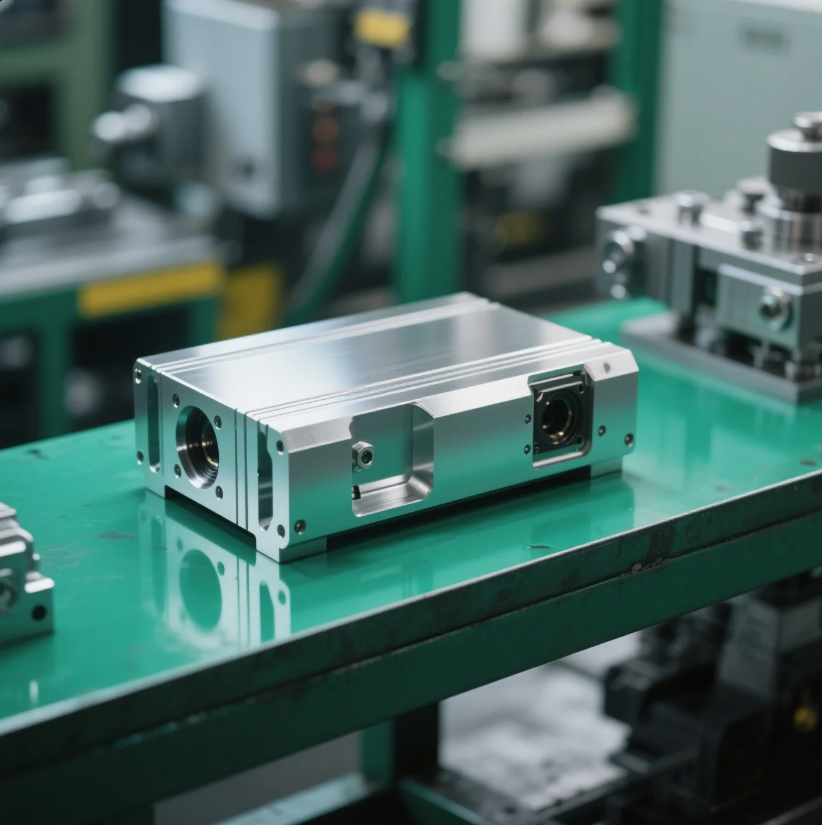
CNC Enclosure Custom Manufacturing is an effective solution for businesses that need strong, accurate, and reliable enclosures for electronics, machines, industrial equipment, and special applications. Many customers worry about choosing the right material, controlling production costs, achieving accurate dimensions, and making sure the final enclosure protects internal components. CNC manufacturing helps solve these problems by providing high precision, flexible designs, and compatibility with many different materials.
Unlike standard enclosures with limited sizes and features, CNC-machined enclosures can be fully customized according to product requirements. Manufacturers can create complex structures, precise mounting points, ventilation designs, and protective features while maintaining consistent quality. Companies with experience in custom CNC Machining, such as EMAR, provide professional solutions that help customers turn enclosure concepts into reliable finished products.
CNC machining has become a popular method for enclosure production because it offers several important advantages. Computer-controlled machines can follow detailed CAD designs and produce parts with very high accuracy. This is especially important for enclosures that need to fit electronic boards, sensors, mechanical components, or precision instruments.
For industries such as electronics, automation, aerospace, medical equipment, and industrial machinery, CNC enclosure manufacturing provides a balance between design freedom, durability, and production efficiency.
Good enclosure performance starts with careful design. The design considerations for CNC-made enclosures involve understanding the product environment, internal components, and protection requirements before machining begins.
The intended use determines the enclosure structure. Different applications require different designs:
Understanding the application helps engineers select the correct wall thickness, mounting method, and protective features.
The installation environment directly affects enclosure design. Indoor enclosures may only need basic protection, while outdoor or harsh environments require stronger protection against weather, corrosion, and impact.
A custom enclosure must provide enough space for all internal components. Designers should consider:
Ventilation is another important factor. Electronic components often generate heat, so CNC enclosures may require ventilation slots, cooling openings, or fan mounting areas. At the same time, these openings must not reduce protection against dust or moisture.
A well-designed enclosure should protect internal parts from impact and vibration. Reinforced corners, proper wall thickness, and strong fastening methods can improve structural strength. Engineers also need to avoid designs that create weak areas during machining.
The correct material affects enclosure strength, weight, appearance, cost, and service life. The material selection in CNC enclosure manufacturing process should consider the operating environment, mechanical requirements, and budget.
Aluminum is one of the most common materials for custom CNC enclosures. It offers a good combination of strength, low weight, and corrosion resistance.
Steel provides excellent strength and impact resistance. It is suitable for industrial applications where the enclosure must handle heavy loads or harsh conditions.
Engineering plastics such as ABS and polycarbonate are useful when lightweight construction and electrical insulation are important.
Choosing the right material requires balancing performance and cost. Professional CNC manufacturers can recommend materials based on strength requirements, environmental conditions, and production goals.
The machining operations for CNC enclosures include several processes that create the required shapes and features. Each operation must be carefully planned to achieve accuracy and good surface quality.
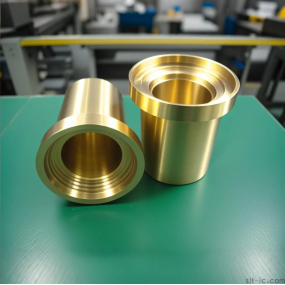
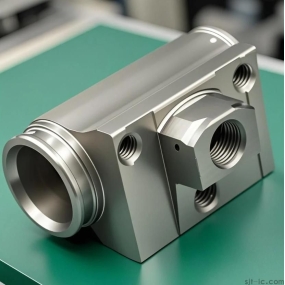
Milling is the main process used for enclosure manufacturing. It creates flat surfaces, pockets, slots, recesses, and complex external shapes.
Drilling creates mounting holes, screw holes, connector openings, and ventilation holes.
Turning is used when an enclosure includes round parts, cylindrical covers, knobs, or special rotating components.
The handling challenges in CNC enclosure production requires careful engineering and manufacturing control. Several common problems can affect enclosure quality.
Small errors in size can prevent components from fitting correctly. Manufacturers solve this by using:
Thin enclosure walls may deform during machining because of cutting forces or heat. Solutions include:
A successful enclosure must match the internal components exactly. Manufacturers verify dimensions, hole positions, and assembly areas before final production.
After machining, additional processes improve protection, appearance, and long-term performance. Post-machining in CNC-custom enclosures is an important step in producing a finished product that meets customer expectations.
For applications requiring dust or moisture protection, manufacturers may add gaskets, seals, or protective coatings. These features improve enclosure reliability in outdoor and industrial environments.
Professional CNC enclosure manufacturers use inspection processes to confirm product quality. Quality checks may include:
Selecting an experienced CNC supplier is important for achieving reliable enclosure performance. A qualified manufacturer should provide support from design review to final inspection.
EMAR offers CNC enclosure custom manufacturing services with professional machining capabilities, material expertise, and strict quality control. By combining advanced CNC equipment with engineering experience, EMAR helps customers create customized enclosures that meet specific performance, appearance, and cost requirements.
Whether the project requires aluminum electronic housings, industrial steel enclosures, or plastic protective cases, working with an experienced CNC partner can reduce production risks and improve final product quality.
CNC Enclosure Custom Manufacturing provides an efficient way to create accurate, durable, and application-specific enclosures. Successful results depend on careful design planning, proper material selection, optimized machining operations, and reliable quality control.
By understanding enclosure requirements and working with skilled CNC manufacturers, businesses can achieve products that protect valuable components, improve equipment performance, and provide long-term reliability.