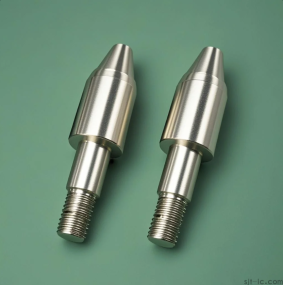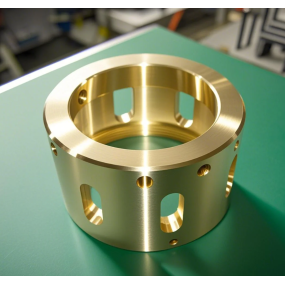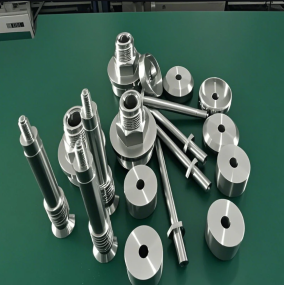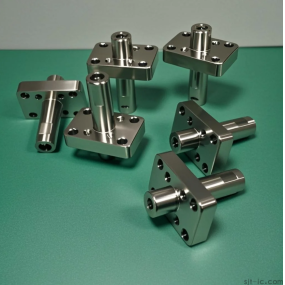

CNC Large Part Machining is an important manufacturing process for industries that need accurate and durable large components. These parts are widely used in aerospace, energy, construction equipment, automotive, marine, and industrial machinery applications.
Machining large components is not simply a bigger version of normal CNC Machining. Large parts bring special problems, including handling heavy materials, maintaining accuracy over long distances, selecting suitable machines, and controlling production costs. Understanding these factors helps companies choose the right machining partner and avoid delays or quality issues.
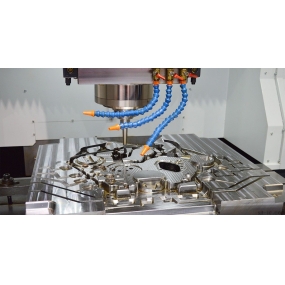
CNC Large Part Machining refers to the use of computer-controlled machines to manufacture oversized or heavy components with high precision. These machines follow programmed instructions to cut, drill, mill, or turn materials into finished parts.
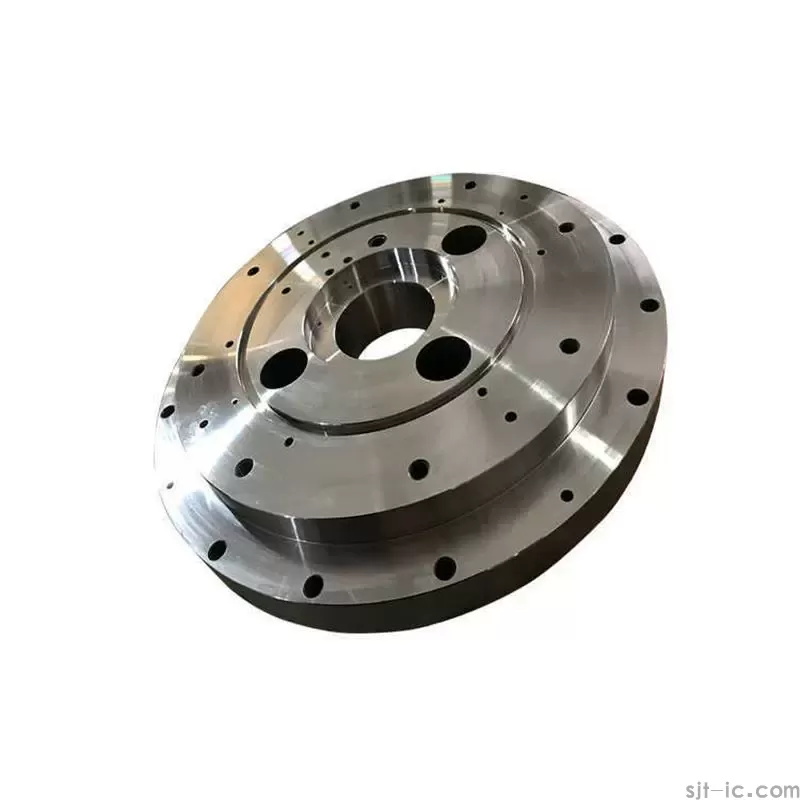
Compared with standard CNC machining, large part machining requires stronger machines, larger work areas, better process planning, and more advanced inspection methods. Even small errors can become serious problems when a component is several meters long or weighs hundreds or thousands of kilograms.
Typical CNC large parts include:
There are several challenges in CNC large part machining that manufacturers must solve to achieve accurate results.
One of the biggest challenges is keeping precision across the entire part. When machining a small component, temperature changes or machine movement may have little effect. However, large parts can experience expansion, vibration, and deformation during machining.
Manufacturers need careful process planning, stable machine setups, and accurate measurement systems to maintain required tolerances.
Large parts often require cranes, special fixtures, and strong workholding systems. Poor handling can damage the material or create alignment problems before machining even begins.
A professional CNC machining supplier should have experience with safe loading, positioning, and machining of heavy components.
Large parts usually require longer production cycles. A machining mistake after many hours of work can lead to high material waste and increased costs. Careful programming, tool selection, and inspection during production are necessary to reduce risks.
The equipment needed for CNC large part machining is different from standard CNC workshops. Large components require machines with higher capacity and better stability.
Important equipment includes:
A capable manufacturer needs not only large machines but also experienced engineers who understand how to plan machining processes for oversized components.
EMAR provides CNC machining solutions with advanced production equipment and experienced technical teams to support complex large-part manufacturing requirements. The company focuses on precision machining, process control, and customized solutions for different industrial applications.
The material selection for large CNC-machined parts directly affects machining performance, durability, weight, and cost.
Common materials used for large CNC components include:
The best material depends on the working environment, required strength, machining difficulty, and final application. An experienced machining supplier can help customers select materials that balance performance and cost.
Strong quality management is essential because large components are often expensive and difficult to replace. Quality control in CNC large part machining requires inspection throughout the entire production process.
Key quality control methods include:
For large components, professional inspection equipment such as coordinate measuring machines (CMM) and advanced measurement tools help verify accuracy. A reliable manufacturer should have strict quality procedures instead of checking only the final product.
EMAR applies quality control processes throughout CNC machining projects, helping customers receive large components with consistent accuracy and reliable performance.
Many customers are concerned about the price of large CNC machining projects. The cost-related factors in CNC large part machining include more than just machine time.
Main factors that influence cost include:
Customers can reduce costs by providing complete drawings, choosing practical designs, planning production quantities early, and working with a manufacturer that has suitable equipment.
Selecting the right machining supplier is important for project success. Before choosing a manufacturer, consider the following points:
A reliable CNC machining partner should provide more than machining services. They should help solve manufacturing problems, improve designs, control costs, and deliver consistent quality.
Large CNC components require a combination of advanced equipment, skilled operators, engineering knowledge, and strict quality management. Without proper planning, problems such as inaccurate dimensions, machining delays, and unnecessary costs can occur.
With experience in customized CNC machining, EMAR supports customers with large part manufacturing solutions, including machining process planning, material evaluation, precision production, and quality inspection. Their capabilities help industries produce reliable large components for demanding applications.
Choosing an experienced CNC machining supplier can make a major difference in product quality, delivery time, and overall project cost.