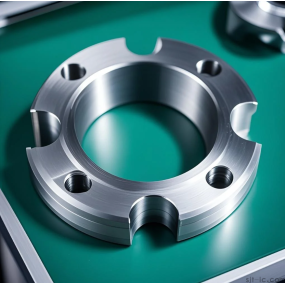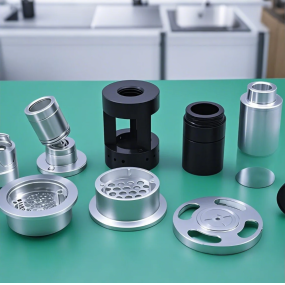
A manual knob is a small but important component used in many products, including industrial machines, electronic equipment, laboratory devices, audio systems, and household tools. It allows users to adjust settings such as speed, temperature, pressure, or volume by hand. A well-made knob should be comfortable to use, strong enough for repeated operation, and accurate enough to provide reliable control.
CNC machining manual knob production uses computer-controlled machines to create knobs with accurate shapes, smooth surfaces, and consistent quality. Compared with traditional manual manufacturing methods, CNC machining provides better control over dimensions, complex designs, and surface details. This makes it suitable for both small custom projects and large production orders.
CNC machining allows manufacturers to produce manual knobs from different materials while maintaining high accuracy. The machining process follows digital design drawings, which helps reduce human errors and ensures every knob has the same size and shape.
For example, an equipment manufacturer may need hundreds of adjustment knobs that must fit perfectly onto machine shafts. CNC machining can produce each knob with consistent hole sizes, thread accuracy, and surface quality, allowing smooth installation and operation.
Professional CNC machining companies, such as EMAR, use advanced machining equipment and manufacturing experience to create customized manual knobs for different industries. Their CNC machining services can support product development from prototype production to mass manufacturing.
The choice of material directly affects the knob’s strength, appearance, weight, and user experience. Good material selection in CNC machining manual knob production should consider the working environment, required durability, and design goals.
Plastic is a common choice for manual knobs because it is lightweight, affordable, and easy to process. Common CNC-machined plastics include:
Plastic knobs are often used in consumer products where low weight and cost efficiency are important.
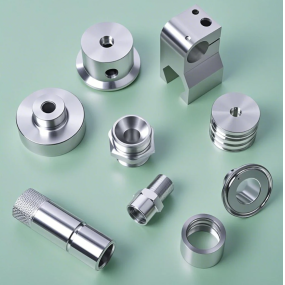
Aluminum is one of the most popular metals for CNC machining manual knobs. It is lightweight, corrosion-resistant, and has a premium appearance. Aluminum knobs are commonly used in control panels, laboratory equipment, and high-end electronic devices.
Aluminum can also receive surface treatments such as anodizing, which improves corrosion resistance and allows different colors and finishes.
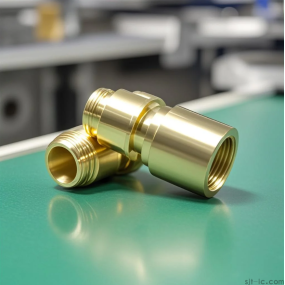
Brass is another excellent option when a heavier feel and attractive appearance are needed. It has good machining performance and natural corrosion resistance. Brass knobs are often used in precision instruments, musical equipment, and decorative applications.
Different machining methods are selected depending on the knob design, material, and required features. Understanding CNC machining techniques for manual knob manufacturing helps designers create products that are easier and more cost-effective to produce.
CNC milling removes material using rotating cutting tools to create detailed shapes. It is useful for knobs with:
For example, a custom aluminum knob with finger grooves can be produced through CNC milling to improve grip and appearance.
CNC turning is widely used for round knobs because the machine rotates the material while cutting tools shape the outside diameter. This method is ideal for:
Turning provides excellent consistency for knobs that must rotate smoothly on a shaft.
Many manual knobs require labels, numbers, or position indicators. CNC engraving creates clear and permanent markings on plastic or metal surfaces.
For example, an audio control knob may include volume numbers from 0 to 10. Engraving ensures these markings remain visible during long-term use.
A successful knob design is not only about appearance. It must also provide comfort, easy operation, and reliable performance. Proper design considerations in CNC machining manual knob production help create a better user experience.
The knob should match the way users naturally hold and rotate it. Common ergonomic features include:
For example, a machine operator who adjusts a control knob many times each day needs a design that reduces hand fatigue.
The knob size should match the application. A very small knob may be difficult to adjust, while an oversized knob may require unnecessary space.
Designers should consider:
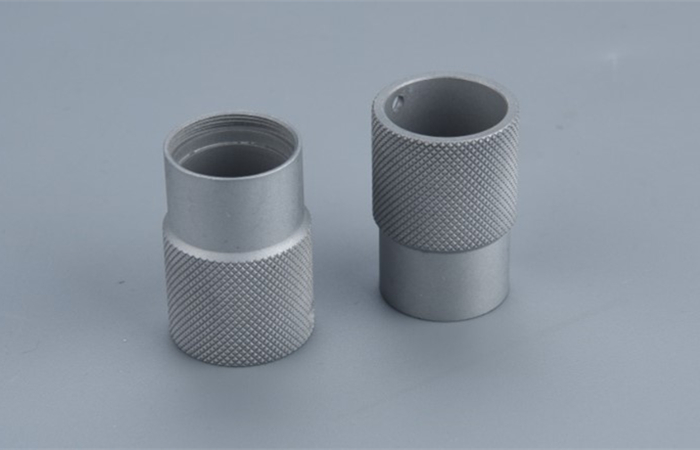
A good grip design prevents slipping during operation. Popular options include textured surfaces, grooves, knurling, and specially shaped edges.
The right grip depends on the environment. For example, industrial equipment may require stronger grip features because operators may wear gloves.
Accuracy is important because a manual knob must fit correctly with other components. The precision requirements in CNC machining manual knob production determine whether the knob operates smoothly and reliably.
Important precision areas include:
Depending on the application, CNC-machined knobs may require tight tolerances, often within several hundredths of a millimeter. Precision requirements are usually higher for medical equipment, laboratory instruments, and industrial control systems.
Quality inspection ensures that every knob meets performance and appearance requirements. Effective quality control in CNC machining manual knob production helps prevent problems during assembly and final use.
Manufacturers use measuring tools such as calipers, micrometers, and coordinate measuring machines to check:
The surface finish affects both appearance and user comfort. Inspectors check for:
Before delivery, some knobs are tested by installing them on matching shafts. This confirms that they rotate smoothly, fit correctly, and provide the expected user experience.
CNC machining manual knob products are widely used in many industries, including:
Each application has different requirements. A laboratory knob may focus on precision, while an industrial knob may require strength and durability.
CNC machining manual knob manufacturing combines accurate machining technology, suitable material choices, smart design, and strict quality control. Selecting the correct material, machining method, dimensions, and surface finish helps create knobs that are comfortable, reliable, and long-lasting.
For companies needing customized manual knobs, working with an experienced CNC machining supplier like EMAR can provide professional support in design optimization, material selection, precision machining, and quality inspection. A reliable manufacturing partner helps turn a knob concept into a functional and high-quality finished component.