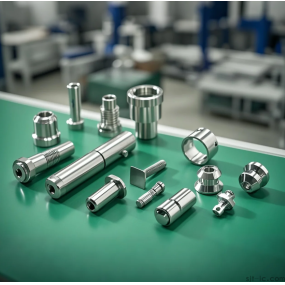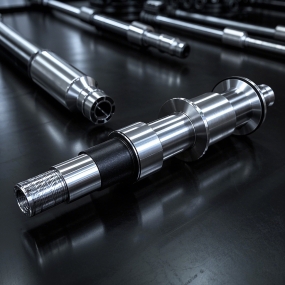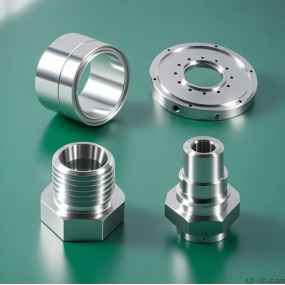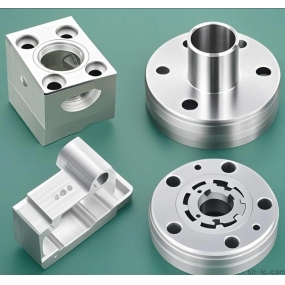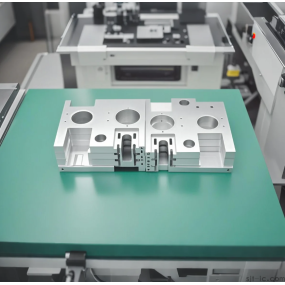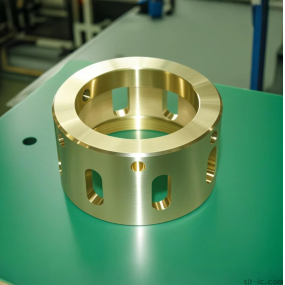

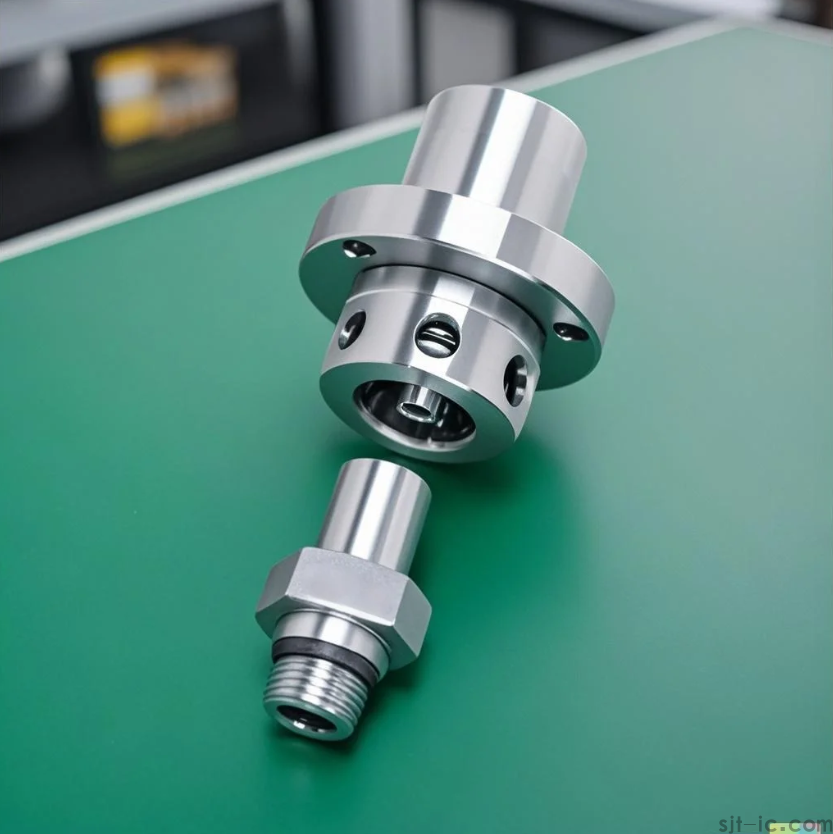
CNC Machining Flange Joints are widely used in industrial systems where strong, accurate, and leak-resistant connections are required. Flange joints are common in pipelines, pressure equipment, oil and gas systems, chemical plants, and water treatment facilities. Because these parts must handle pressure, temperature changes, and long-term operation, manufacturers need to control precision, material quality, and machining processes carefully.
Many customers worry about flange joint problems such as poor alignment, leakage, weak bolt connections, and early corrosion. CNC machining provides an effective solution by producing flange joints with accurate dimensions, consistent quality, and excellent surface finishes. With advanced CNC equipment and professional manufacturing experience, companies like EMAR help customers produce reliable flange components for different industrial applications.
Flange joints require very accurate machining because even a small dimensional error can affect sealing performance. CNC machining uses computer-controlled processes to achieve tight tolerances and repeatable results, making it ideal for high-performance flange production.
For industries where leakage can cause safety risks or production losses, accurate CNC machining helps improve reliability and service life.
The first step in manufacturing high-quality flange joints is selecting the correct design. The design considerations for CNC-machined flange joints include flange type, operating conditions, connection requirements, and industry standards.
Different applications require different flange designs:
The selected flange type affects machining methods, dimensions, and final performance.
Engineers must understand where the flange joint will be used before machining begins. For example:
Pressure ratings and temperature ratings are also important. A flange designed for high-pressure and high-temperature environments requires different materials and machining standards compared with a general-purpose connection.
The material selection for flange joint CNC machining directly affects strength, corrosion resistance, and service life. Choosing the wrong material can lead to deformation, corrosion, or connection failure.
Common materials include:
Material choice depends on factors such as working pressure, operating temperature, corrosion exposure, mechanical strength requirements, and industry regulations. Experienced CNC manufacturers evaluate these conditions before recommending suitable materials.
Producing a reliable flange joint requires several machining operations. Each step must be carefully controlled to achieve accurate dimensions and a proper sealing surface.
Turning operations in flange joint production are mainly used to create the flange outer diameter, inner diameter, and face surfaces. CNC turning machines rotate the workpiece while cutting tools remove material with high accuracy.
Important machining factors include:
Proper tool selection, such as carbide cutting tools for harder materials, helps maintain stable machining performance.
CNC milling is used to create special grooves, raised faces, and complex flange features. Drilling operations create bolt holes that must match exact patterns for proper assembly.
Accurate bolt-hole positioning is critical because incorrect spacing can prevent proper installation or create uneven pressure on the gasket.
Boring improves the accuracy of internal diameters and ensures smooth alignment with connected pipes or equipment. This operation is especially important for flange joints requiring precise internal flow paths.
Although CNC machining provides high accuracy, flange production still requires careful process control. Several challenges must be managed during manufacturing.
Maintaining flatness in flange joint CNC machining is essential because the flange face directly affects sealing performance. If the surface is uneven, the gasket may not seal correctly, causing leaks.
Manufacturers can improve flange face accuracy by:
Large flange parts or heat-sensitive materials may deform during machining. To reduce distortion, manufacturers control cutting forces, use balanced machining methods, and remove material gradually.
Professional CNC machining suppliers also consider material stress and may use heat treatment before or after machining to improve stability.
After CNC machining, additional treatments can improve flange joint performance.
The correct finishing process depends on the application environment and material type.
Quality control in flange joint CNC manufacturing ensures that every component meets design requirements before delivery. Reliable manufacturers use multiple inspection methods throughout production.
Advanced inspection equipment and experienced technicians help identify problems early and reduce the risk of failure in real applications.
Selecting the right manufacturer is important for achieving high-quality flange joints. A professional CNC machining supplier should have advanced equipment, experienced engineers, strict quality systems, and the ability to handle different materials and production requirements.
EMAR provides CNC machining services for precision industrial components, including customized flange joints. With experience in CNC turning, milling, drilling, quality inspection, and material processing, EMAR supports customers from design evaluation to finished production. Their machining capabilities help customers achieve accurate, durable, and application-ready flange solutions.
Whether you need prototypes or large-volume production, working with an experienced CNC machining provider can reduce manufacturing risks and improve the reliability of your final flange joint assemblies.