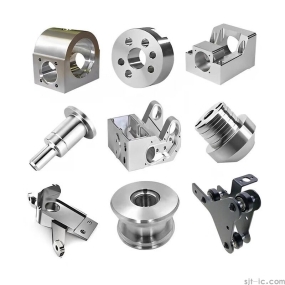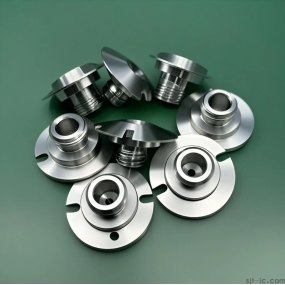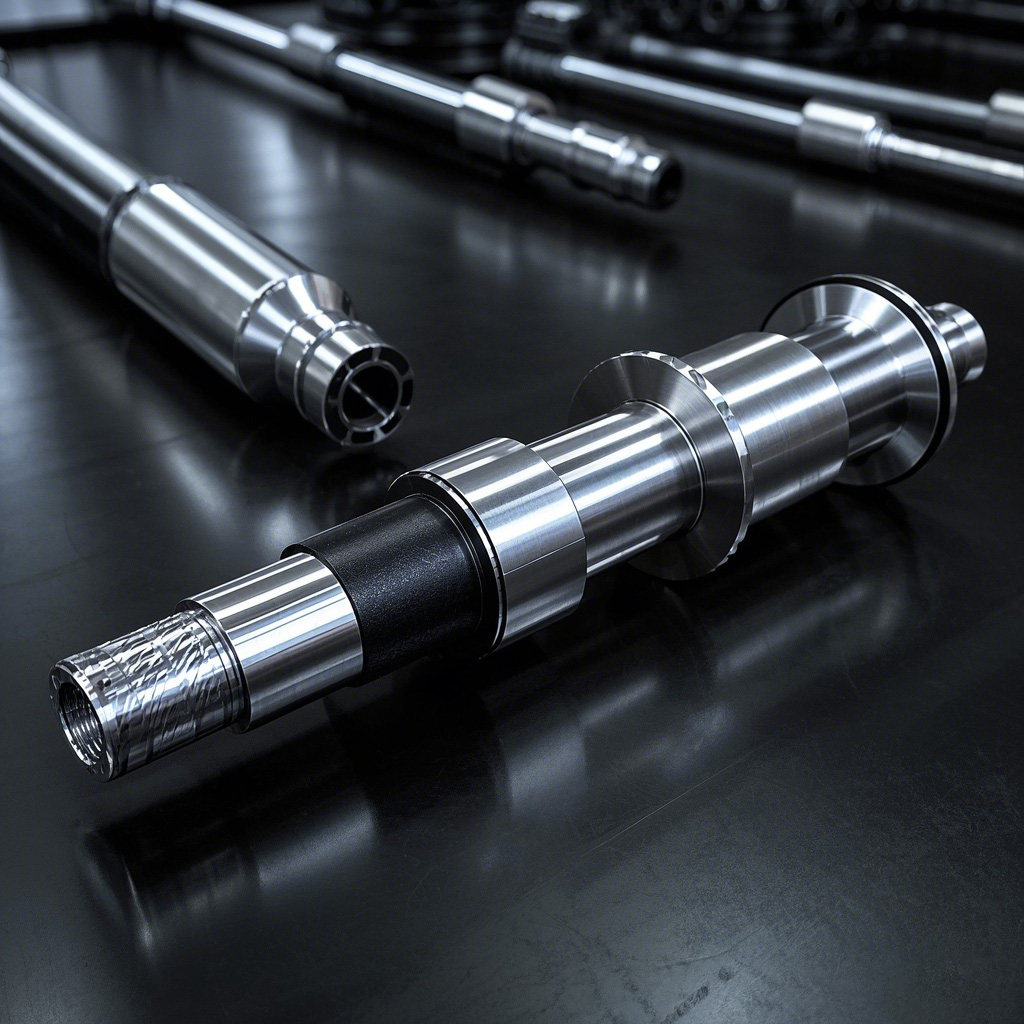
Transmission shafts are important mechanical components used in many industries to transfer rotational power from one machine part to another. They are widely used in automotive systems, industrial equipment, manufacturing machines, and heavy-duty mechanical applications. A high-quality transmission shaft must have excellent strength, accurate dimensions, good balance, and reliable durability because it works under continuous torque, vibration, and dynamic loads.
The CNC Machining Transmission Shaft Processing Method? Detailed Process of Transmission Shaft Processing involves several important steps, including material selection, CNC turning, drilling, milling, grinding, heat treatment, and quality inspection. Understanding each step helps manufacturers avoid common problems such as incorrect machining processes, poor accuracy, excessive production costs, and short service life.
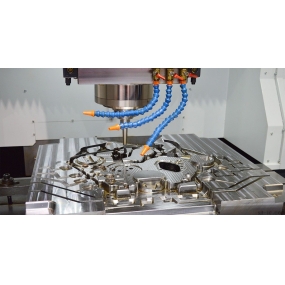
Compared with traditional machining methods, CNC machining provides higher precision, better repeatability, faster production efficiency, and the ability to manufacture complex shaft structures. CNC machines can accurately control cutting movements through programmed instructions, making it easier to produce transmission shafts with stepped diameters, splines, keyways, threads, and other special features. Professional CNC machining companies, such as EMAR, use advanced CNC equipment and strict manufacturing systems to provide reliable transmission shaft machining solutions for different industrial applications.
Before machining begins, proper preparation is essential. Many machining failures happen because of incorrect material selection, incomplete drawings, or unsuitable production planning. A detailed preparation process helps ensure machining accuracy and reduces unnecessary costs.
Choosing the correct material is one of the most important steps in transmission shaft manufacturing. The shaft must withstand high torque, impact loads, friction, and repeated operation, so the material needs enough strength and fatigue resistance.
Common materials used for transmission shafts include:
For high-performance automotive transmission systems, alloy steels are often preferred because they can handle repeated stress and maintain stable performance over a long service life. The final material choice depends on application requirements, load capacity, production volume, and cost considerations.
A complete engineering drawing is required before CNC machining starts. The blueprint should clearly define all important specifications, including:
CAD software is normally used to create accurate 2D drawings and 3D models. These digital models provide the foundation for CNC programming and help engineers check possible design problems before production begins.
The machining process of a transmission shaft usually includes turning, drilling, milling, and grinding operations. Each process has a specific purpose and contributes to the final accuracy and performance of the shaft.
CNC turning is usually the first major machining operation. The raw material is normally a round steel bar, which is fixed in a CNC lathe. The machine rotates the workpiece while cutting tools remove material according to the programmed path.
The raw steel bar is cut into a suitable length and mounted securely on the CNC lathe. Proper clamping is important because unstable positioning can cause vibration and machining errors.
Rough turning removes a large amount of excess material quickly. The goal is to create the basic shape of the transmission shaft while leaving some material for finishing operations.
During rough turning, engineers select suitable cutting parameters, including:
For example, carbide turning tools are often used because they can handle high cutting speeds and improve production efficiency.
After rough turning, finish turning creates the final shaft dimensions. This process focuses on achieving accurate diameters, smooth surfaces, and proper alignment between different shaft sections.
Important quality requirements during finish turning include:
After turning, additional CNC operations are performed to create special features required by the transmission shaft design.
Center holes are usually drilled at both ends of the shaft. These holes provide accurate reference points for later machining and help maintain shaft alignment during turning and grinding operations.
Many transmission shafts use keys and keyways to transfer torque between components. CNC milling machines create the keyway with precise control over width, depth, and length.
Accurate keyway machining is important because an incorrect size can cause poor assembly, vibration, or reduced power transmission efficiency.
For shafts requiring high torque transmission, spline structures are often used. Spline milling creates multiple teeth along the shaft surface to connect with matching components.
Spline machining requires precise control of cutting movements and rotation angles. CNC equipment allows manufacturers to produce consistent spline profiles with high accuracy.
Grinding is a finishing process used when extremely high accuracy and surface quality are required.
Cylindrical grinding improves roundness, straightness, and surface finish. It can remove small errors left from turning operations and achieve very tight dimensional tolerances.
The grinding wheel selection depends on the shaft material and required surface quality. Proper grinding parameters help prevent overheating and surface damage.
If the transmission shaft contains high-precision threaded sections, thread grinding may be used. This process creates accurate thread profiles that can withstand heavy loads and repeated operation.
Machining creates the required shape, but heat treatment improves the mechanical properties of the transmission shaft. Without proper treatment, the shaft may experience early wear, deformation, or fatigue failure.
Common heat treatment methods include quenching and tempering.
The heat treatment process must be carefully controlled because incorrect temperature or cooling speed may cause cracks or deformation.
Different applications may require additional surface protection:
The selected surface treatment depends on operating conditions, required service life, and performance requirements.
Quality control is critical because transmission shafts directly affect machine safety and performance. A small dimensional error can create vibration, noise, or premature failure.
During machining, operators regularly inspect the shaft using precision measuring tools, including:
Measurements are taken for diameter, length, keyway size, concentricity, and straightness. Detecting problems early prevents large amounts of defective production.
After machining and treatment, the completed transmission shaft undergoes final inspection. This may include:
Following international standards such as ISO requirements or automotive industry standards helps ensure consistent product quality. Experienced CNC manufacturers like EMAR apply strict inspection procedures to meet different customer requirements for precision transmission shafts.
Manufacturers often need to balance high precision with reasonable production costs. A well-planned CNC machining process can improve efficiency while reducing waste.
Correct machining parameters directly affect production costs. Engineers optimize:
Using suitable cutting tools improves machining speed, extends tool life, and reduces replacement costs. Automated CNC programming also reduces human errors and improves production consistency.
The production quantity influences the best manufacturing strategy.
Professional CNC suppliers can help customers choose the most economical production method based on order quantity, design complexity, and delivery requirements.
Different transmission shaft designs require different machining methods. Understanding these differences helps manufacturers select the correct CNC process.
Single-stage shafts usually have a simpler structure with fewer diameter changes. They are easier to machine and require fewer operations.
Multi-stage transmission shafts contain multiple diameter sections, grooves, or stepped structures. They require more complex CNC turning and grinding operations to maintain accurate alignment between different areas.
Spline shafts are designed for applications requiring high torque transmission. Their spline teeth must be accurately machined to ensure smooth engagement and reliable power transfer.
Keyway shafts use a key-and-keyway connection system. The keyway machining process must achieve precise dimensions because incorrect fitting can cause looseness, vibration, or reduced efficiency.
The complete transmission shaft manufacturing process includes material selection, CNC turning, drilling, milling, grinding, heat treatment, surface treatment, and strict quality inspection. Each step affects the final performance, durability, and cost of the shaft.
By using advanced CNC machining technology, optimized production methods, and professional quality control systems, manufacturers can produce transmission shafts with high accuracy and reliable performance. Companies with strong CNC machining experience, such as EMAR, can provide customized transmission shaft solutions for automotive, industrial, and mechanical equipment applications.