Choosing the right CNC Mechanical Machining Manufacturer is an important decision for companies that need accurate, reliable, and cost-effective mechanical parts. A good manufacturer does more than simply operate machines. They provide engineering support, maintain strict quality standards, manage production efficiently, and help customers avoid delays and unexpected costs.
Many buyers face common challenges when selecting a CNC Machining partner. They may worry about poor part accuracy, unstable quality, slow delivery times, or a supplier that cannot handle design changes. Understanding the key factors before making a decision can help you find a manufacturer that matches your project requirements.
The first step in selecting a CNC machining supplier is understanding their production abilities. The manufacturing capabilities of CNC mechanical machining firms directly affect whether they can complete your project successfully.
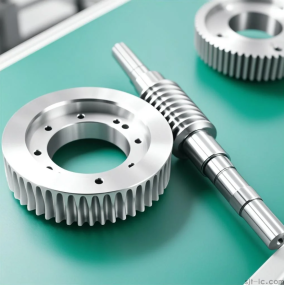
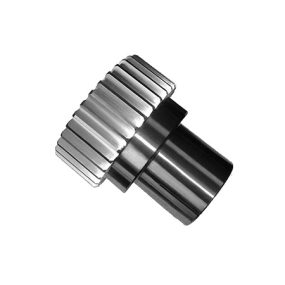
A professional CNC mechanical machining manufacturer should have a wide range of machining processes, including:
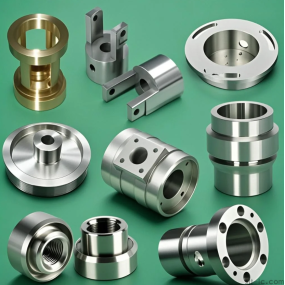
A capable manufacturer should also support different materials, including aluminum, stainless steel, carbon steel, copper, brass, titanium, and engineering plastics. Different materials require different cutting methods, tools, and machining knowledge.
For example, aluminum is lightweight and easy to machine, making it suitable for aerospace and electronic components. Stainless steel provides excellent corrosion resistance but requires more advanced machining skills because of its hardness. A manufacturer with strong material experience can recommend the right machining solution for each application.
Quality is one of the biggest concerns when choosing a CNC machining partner. Poor-quality parts can cause assembly problems, production delays, and increased costs. Therefore, understanding quality control in CNC mechanical machining manufacturing is essential.
A reliable CNC mechanical machining manufacturer should have a complete inspection system covering every production stage. Important quality control practices include:
Customers should also ask about certifications and quality management systems. Certifications such as ISO 9001 show that a manufacturer follows organized processes for quality control and continuous improvement. For industries with strict requirements, additional standards may be needed depending on the application.
EMAR focuses on stable quality management and precision manufacturing processes. With professional inspection equipment and experienced technicians, the company supports customers who require reliable CNC machined components for different applications.
A common mistake is choosing a supplier only based on price. A manufacturer may offer a low quotation but lack the resources to complete orders on time. A proper production capacity assessment for CNC mechanical manufacturers helps determine whether a supplier can meet your schedule and quantity requirements.
When evaluating production capacity, consider the following factors:
A strong CNC machining partner should be flexible enough to support product development stages. For example, a customer may first need several prototype parts for testing and later require thousands of finished components. The manufacturer should be able to increase production without reducing quality.
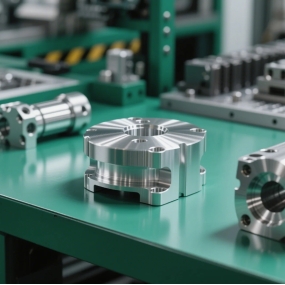
The equipment owned by a CNC mechanical machining manufacturer can reveal a lot about its technical ability. Modern CNC machines provide better accuracy, higher efficiency, and improved repeatability.
When reviewing a manufacturer's technical strength, look for:
Engineering teams are especially important when parts have complex structures or strict tolerance requirements. Experienced engineers can identify potential manufacturing problems before production starts, suggest design improvements, and reduce unnecessary costs.
A good CNC manufacturer is not only a production supplier but also a technical partner. Their engineers and programmers should understand machining principles, material behavior, tooling selection, and production optimization.
Different industries have different requirements for CNC machined parts. A manufacturer with broad industry experience in CNC mechanical machining can better understand specific application needs.
Important industries that often use CNC machining include:
When selecting a supplier, ask about previous projects, similar parts they have produced, and the industries they have served. Real project experience is often a better indicator of capability than simple marketing claims.
Successful manufacturing projects depend on clear communication. Even a technically skilled supplier can create problems if communication is slow or unclear. Effective communication with CNC mechanical machining manufacturers helps prevent misunderstandings about drawings, materials, tolerances, and delivery requirements.
A reliable manufacturer should provide:
Good customer service builds long-term cooperation. A manufacturer that listens carefully and provides practical suggestions can help customers improve product quality and reduce manufacturing risks.
Before making a final decision, consider asking these questions:
Finding a dependable CNC machining partner requires more than comparing prices. Customers need a manufacturer with strong technical ability, consistent quality, flexible production, and professional communication.
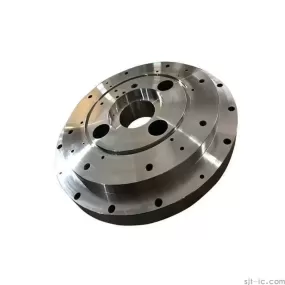
EMAR provides CNC mechanical machining services with experience in precision manufacturing, engineering support, quality inspection, and customized production solutions. The company works with customers from different industries to produce accurate mechanical components according to drawings, material requirements, and performance expectations.
By combining modern CNC equipment, skilled engineering teams, strict quality control processes, and customer-focused service, EMAR helps businesses reduce manufacturing risks and achieve reliable results.
The right CNC Mechanical Machining Manufacturer can become a valuable long-term partner for your business. Before choosing a supplier, carefully evaluate machining capabilities, quality systems, production capacity, technical expertise, industry experience, and communication methods.
A manufacturer that understands your goals and provides dependable support can help you create high-quality parts, improve production efficiency, and build a stronger supply chain.