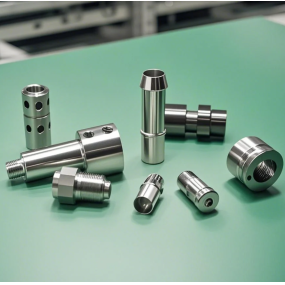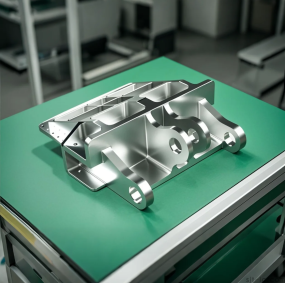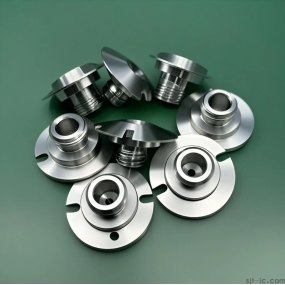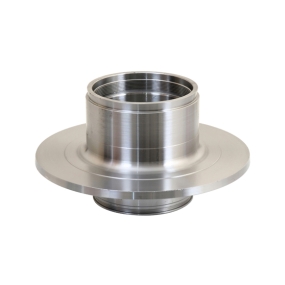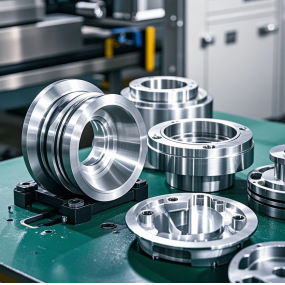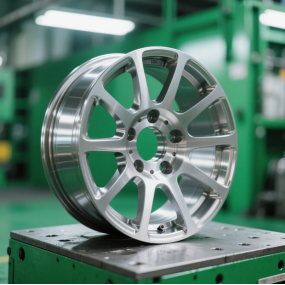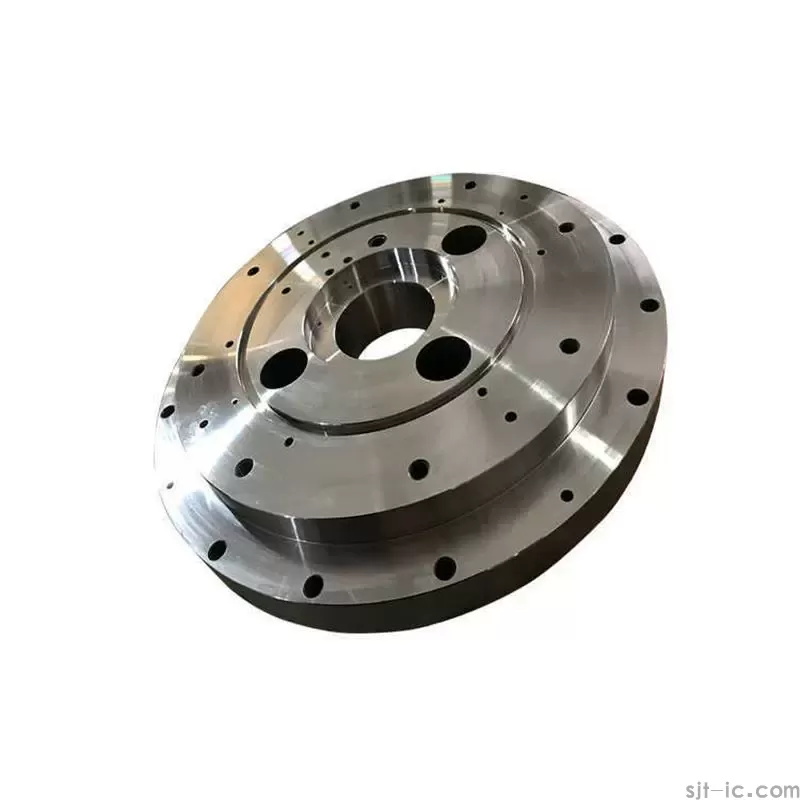
CNC Precision Machining from Drawings is a manufacturing process that turns engineering drawings into accurate physical parts through computer-controlled machining. Many customers have detailed drawings but are unsure how to move from a design file to a finished component. The key challenges usually include understanding technical drawings, selecting suitable machining methods, controlling tolerances, and maintaining consistent quality.
A reliable CNC Machining partner does more than operate machines. The manufacturer must understand design requirements, choose the correct process, and apply strict inspection methods to ensure the final part matches the original drawing. This article explains the important steps, common challenges, and quality practices involved in precision CNC machining based on drawings.
CNC Precision Machining from Drawings is the process of manufacturing custom parts by using engineering drawings as the production reference. The drawings provide important information such as dimensions, tolerances, material requirements, surface finishes, and assembly details.
Unlike standard machining, precision CNC machining requires careful control of every production stage. Even a small mistake in drawing understanding or machine setup can affect part performance, especially in industries such as automotive, medical equipment, aerospace, electronics, and industrial automation.
Professional CNC machining companies use advanced CNC milling, CNC turning, drilling, grinding, and inspection equipment to transform drawings into high-quality parts with stable accuracy.
Understanding the steps in CNC precision machining from drawings helps customers know what happens after they submit a design. A complete machining process usually includes the following stages:
Reviewing and analyzing the drawing: Engineers first check the drawing details, including dimensions, tolerances, materials, thread specifications, and surface requirements. Any unclear information should be confirmed before production begins.
Choosing suitable materials: The material selection depends on the part's application. Common options include aluminum, stainless steel, carbon steel, copper, brass, titanium, and engineering plastics. The correct material affects strength, durability, machining difficulty, and final cost.
Creating the machining plan: Engineers decide which machines, cutting tools, fixtures, and machining sequences are needed. Proper planning reduces errors and improves production efficiency.
CNC programming and setup: The drawing information is converted into CNC programs. Operators set the machine parameters, install tools, and prepare fixtures to ensure stable machining.
Precision machining and inspection: The CNC machine removes material according to the programmed instructions. During and after machining, inspection equipment is used to confirm that the part meets drawing requirements.
Drawing interpretation for CNC precision machining is one of the most important parts of the manufacturing process. A drawing contains technical information that must be correctly understood before machining starts.
Engineers usually focus on several key areas:
Incorrect drawing interpretation can lead to wasted materials, production delays, or parts that fail during assembly. Experienced engineers carefully review every detail and communicate with customers when additional clarification is needed.
Selecting suitable machining techniques for precision from drawings depends on the part design, material, tolerance requirements, and production quantity.
Common CNC machining methods include:
The best machining method is not always the fastest option. Engineers must balance accuracy, production efficiency, tool life, and cost to achieve the best overall result.
Precision assurance in CNC machining from drawings requires strict control throughout the entire manufacturing process. High accuracy is achieved through a combination of advanced equipment, skilled technicians, and effective inspection procedures.
Important quality control practices include:
Modern inspection equipment such as coordinate measuring machines (CMM), optical measuring systems, and precision gauges helps manufacturers verify critical dimensions and maintain consistent quality.
Customers often face several challenges when ordering custom CNC parts from drawings. Understanding these issues helps avoid production problems.
Unclear drawings: Missing dimensions or incomplete specifications can delay production. Providing detailed drawings or working with an experienced engineering team can solve this problem.
High tolerance requirements: Extremely tight tolerances require advanced machines, skilled operators, and careful process control.
Material difficulties: Some materials are harder to machine and require special tools or techniques.
Cost control: Poor process planning can increase machining time and material waste. Proper engineering support helps improve cost efficiency.
EMAR provides professional CNC machining solutions for customers who need reliable parts manufactured from engineering drawings. With experience in precision machining, EMAR supports the complete process from drawing review and process planning to machining, inspection, and delivery.
EMAR's engineering team focuses on accurate drawing analysis, suitable machining method selection, and strict quality control. By combining advanced CNC equipment with experienced technicians, EMAR helps customers produce complex precision parts with stable quality and dependable performance.
For projects requiring CNC Precision Machining from Drawings, working with a manufacturer that understands both design requirements and production challenges can reduce risks, improve efficiency, and ensure the final parts meet expectations.
CNC Precision Machining from Drawings requires much more than converting a drawing into a machine program. Successful production depends on accurate drawing interpretation, proper machining technique selection, precise process control, and complete quality inspection.
By following a structured machining process and cooperating with an experienced manufacturer, customers can achieve high-quality custom parts that meet strict engineering requirements. Professional support from companies with strong CNC machining capabilities, such as EMAR, can make the entire process more efficient, reliable, and cost-effective.